The Ultimate Guide to Beach Camping
Table of Contents
Prices in this guide are approximate and change often. Check with the hotel, airline or operator before you book.
Why Beach Camping Is Different from Regular Camping
Beach camping sounds romantic. Fall asleep to waves. Wake up to sunrise over the ocean. Coffee on the sand. And it can be exactly that — if you plan for sand, wind, salt, and sun, which conspire to destroy your gear and your comfort faster than any mountain campsite.
From the Outer Banks to the Olympic coast, the same lesson applies: the standard camping playbook doesn't work on sand. Stakes pull out. Tents become wind sails. Sleeping bags get gritty and stay gritty. But with the right gear and knowledge, beach camping is one of the best ways to experience the coast. Here's everything you need to know.
Essential Gear for Beach Camping
Tent and Shelter
Your regular backpacking tent will work, but it won't be ideal. Look for a tent with a mesh bottom rather than a solid floor — sand sifts through solid floors and pools inside the tent. The Big Agnes Blacktail series and the Nemo Dagger are both good options with substantial mesh panels that let sand escape.
More important than the tent is the sun shelter. A quality beach shade or pop-up canopy is essential for daytime comfort. The Neso Sideline tent (fills with sand to anchor, no stakes needed) is bombproof in wind and sets up in two minutes. For larger groups, the Coleman Skyshade is cheap and effective.
Sand Stakes
Normal tent stakes are useless in sand. They pull out under the lightest wind. You have three options:
- Sand stakes: Longer, wider stakes with a spiral or screw design that grip loose sand. The Orange Screw ground anchors work well and double as tie-downs for other gear.
- Deadman anchors: Bury a stuff sack filled with sand, a water bottle, or a stick sideways in the sand and attach your guy line. This is the most reliable method in very soft sand.
- Sand anchor bags: Small bags you fill with sand and clip to your tent corners. Several companies make these, or you can DIY with drawstring bags and carabiners.
Sleep System
An inflatable sleeping pad is better than a foam pad on sand — it insulates you from cold sand at night (yes, beach sand gets cold) and is easier to shake clean. The Nemo Tensor or Therm-a-Rest NeoAir are both good choices. Bring a fitted sheet or sleep sack inside your sleeping bag to keep the sand out of the insulation — once sand gets into a down bag, it's a nightmare to clean.
Cooking
A camp stove is non-negotiable. Most beach camping sites prohibit open fires, or the wind makes them impractical. The MSR PocketRocket 2 with a windscreen works fine, but a stove with a wider base like the Jetboil MiniMo is more stable on uneven sand. Bring a small cutting board or plate to prep food on — working directly on sand is a fast way to ruin a meal.
Keep all food in hard-sided containers. Sand gets into everything — ziploc bags aren't enough. A small cooler with ice for perishables and a dry bag for snacks will save you from crunchy granola bars (and not the good kind of crunchy).
The Best Beach Camping Spots in the US
Assateague Island, Maryland/Virginia
Assateague is famous for its wild horses — bands of feral horses roam the beach and campground, and they will absolutely investigate your campsite at 3 AM. The island sits just south of Ocean City, Maryland, split between a national seashore and a state park.
The oceanside walk-in campsites on the national seashore side are the best — right behind the primary dune line, with the sound of waves all night. Sites cost $30/night and require a reservation through Recreation.gov from March through November. Bring strong stakes — the wind rips through here. Keep all food in your car's trunk, not because of bears, but because the horses will tear through coolers and tents to reach an apple.
Bahia Honda State Park, Florida Keys
Bahia Honda has some of the best sand in the Florida Keys — unusual for an archipelago known more for coral rock and mangroves than beaches. Sandspur Beach, on the south side, has calm, clear water and palm trees right down to the shore.
Campsites book out months in advance, especially during winter. Reservations open 11 months ahead on ReserveAmerica — set an alarm and book the day they open. Sites run $36-43/night depending on the season. The Bayside sites are more sheltered from wind; the Sandspur sites are closer to the beach. The old Bahia Honda Bridge, partially demolished, is walkable and offers great sunset views.
Padre Island National Seashore, Texas
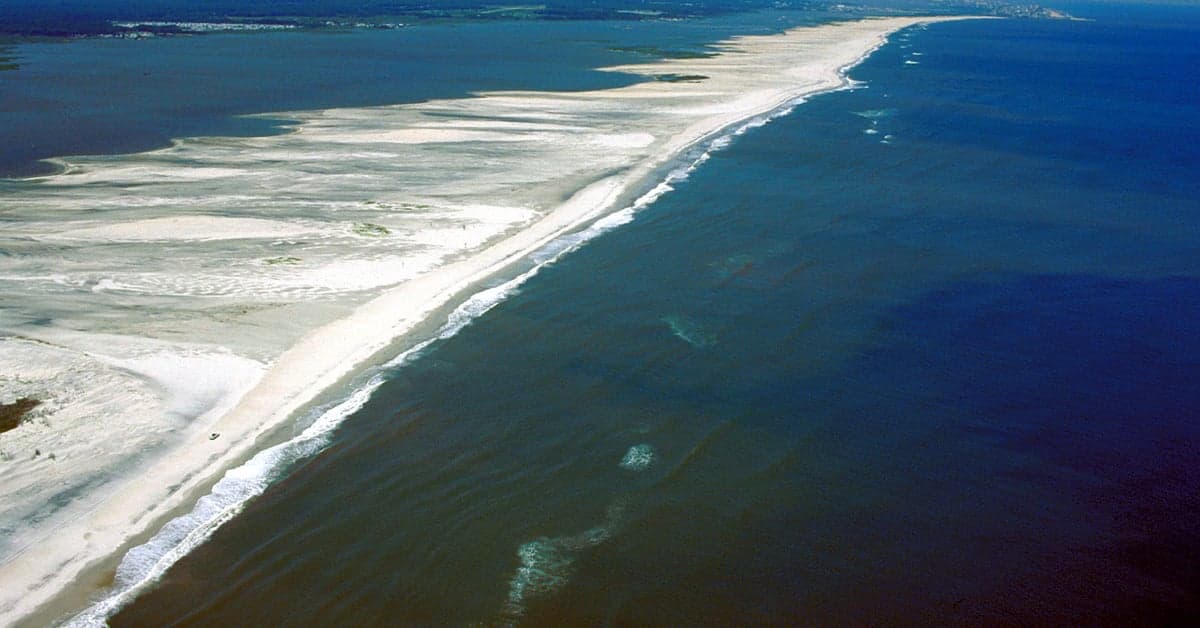
Padre Island is 70 miles of undeveloped barrier island on the south Texas coast — the longest stretch of undeveloped barrier island in the world. North Beach, near the visitor center, has established sites for $8/night. But the real experience is driving south on the beach (4WD required past Mile Marker 5) and camping anywhere on the open sand for free.
The solitude here is genuine. Drive past the first 10 miles and you might not see another person. The fishing is excellent — redfish and speckled trout from the surf. Bring more water than you think — there are no facilities on the south beach. Mosquitoes are brutal in summer, especially after rain. Fall and spring are the sweet spot.
Olympic Coast, Washington
The Olympic coast is wild, cold, and dramatic. Sea stacks rise from the surf, tide pools teem with anemones and starfish, and the forest comes right down to the beach. This is not a tropical beach camping experience — water temperatures hover around 50°F and rain is likely — but the scenery is unmatched.
Rialto Beach to Chilean Memorial is a popular backpacking route along the beach (about 10 miles round trip). You can camp on the beach itself above the high tide line. A wilderness permit is required ($6/person/night, available at the Mora Ranger Station). The Shi Shi Beach hike is another standout — a 2-mile trail through forest opens onto a vast beach with the Point of the Arches sea stacks. Check tide tables carefully. Several sections of the coastal hikes are only passable at low tide.
Channel Islands National Park, California
Santa Cruz and Santa Rosa islands, off the coast of Ventura, have beach-adjacent camping that requires a boat or small plane to reach. The isolation is the point. No cars, no stores, no WiFi. Santa Rosa's Water Canyon campground sits in a canyon about a quarter mile from Water Canyon Beach and 1.5 miles from the Bechers Bay pier.
Island Packers ferries run from Ventura Harbor ($60-80 round trip depending on the island). Reserve campsites on Recreation.gov ($15/night). Bring everything you need — there's no resupply. The kayaking around the sea caves on Santa Cruz's north shore is world-class if you have the skills and equipment. The National Park Service describes the Santa Rosa campground as very windy, which is why every site has its own windbreak. Camping on Santa Rosa closed after the Santa Rosa Island Fire of May 15 to June 4, 2026; Water Canyon and the northwest and southwest beach-camping zones are due to reopen October 14, 2026, with the southeast quadrant closed for the rest of the season, according to the Santa Barbara Independent. Check the park's current conditions before booking.
Dealing with Sand
Sand will get everywhere. Accept this first. Then minimize it.
- Baby powder: Dust it on your feet and legs before getting into the tent. It absorbs moisture so sand brushes off easily. This is the single best beach camping trick.
- A doormat or small tarp: Place it at the tent entrance as a staging area. Brush off before entering.
- Mesh bags for everything: Sand drains through mesh. Use mesh stuff sacks, mesh laundry bags, even a mesh beach bag for toys and gear.
- Rinse station: Fill a collapsible bucket or jug with fresh water and leave it by the tent entrance for rinsing feet.
Wind Management
Beach wind is constant and often strong. A few strategies:
- Orient your tent so the narrowest end faces the prevailing wind. Most beaches have consistent onshore or offshore wind patterns — ask a local or check Windy.com before you set up.
- Use all guy lines, even if you never bother with them in the woods. Every single one.
- Lower your center of gravity. If your tent has adjustable pole heights, go low. If it doesn't, consider whether a bivy or a hammock between driftwood posts works better in high winds.
- Park your car or pile gear as a windbreak if you're at a drive-up site.
Tides: The Thing That Can Ruin Everything
This is the number-one safety issue with beach camping. Set up too close to the water and a rising tide will soak your gear — or worse, sweep it away. Here's the process:
- Check the tide table for your location before you arrive. NOAA's tides and currents website is free and accurate.
- Find the high-tide line — it's usually marked by a line of dried seaweed, driftwood, and debris on the sand.
- Camp at least 20-30 feet above the high-tide line. More if the forecast includes storms or high surf, which push water well above normal high tide.
- Spring tides (during full and new moons) are significantly higher than neap tides. Know the moon phase.
Leave No Trace on the Beach
Beach ecosystems are fragile. The dunes that protect campsites from wind are held together by sea oats and other grasses that take years to establish. Walk on designated paths through the dunes, not over them.
Pack out all trash, including food scraps. Don't bury organic waste in the sand — it doesn't decompose the same way it does in soil and can attract wildlife. Dispose of human waste in designated restrooms, or pack it out in WAG bags if no facilities exist (required on the Olympic coast and Channel Islands).
If you find sea turtle nesting areas marked with stakes and tape, stay well clear. Nesting season runs roughly May through October on Atlantic and Gulf beaches. Lights disorient hatchlings — if camping near nesting areas, use a red headlamp and keep your campsite dark after sunset.
Wildlife
Beach wildlife is generally less dangerous than mountain wildlife, but there are considerations:
- Ghost crabs: Harmless but startling when they skitter across your tent at night. They're everywhere on Atlantic beaches and they're fast. Think of them as entertainment.
- Sand fleas / no-see-ums: These tiny biting insects are worst at dawn and dusk, especially on Gulf and Southeast beaches. A head net helps. Picaridin-based repellent (Sawyer brand) works better than DEET for no-see-ums. Permethrin-treated clothing is the nuclear option.
- Mosquitoes: Worst near marshes, dunes, and standing water — the back side of barrier islands is usually worse than the ocean side. A tent with good mesh and a battery-powered Thermacell repeller are your best defenses.
- Raccoons and foxes: Present on many beach campsites and fearless around humans. Store food in your car or in a bear canister (yes, even for raccoons — they can open zippers and cooler latches).
A Beach Camping Packing Checklist
- Tent with mesh floor panels
- Sand stakes or deadman anchor materials
- Sun shelter / pop-up shade canopy
- Sleeping pad (inflatable), sleeping bag, sleep sack
- Camp stove with windscreen and fuel
- Hard-sided food containers and cooler
- Collapsible water jug (minimum 2 gallons per person per day)
- Baby powder for sand removal
- Doormat or small tarp for tent entrance
- Sunscreen (SPF 50+), hat, UV shirt
- Insect repellent (picaridin-based)
- Headlamp with red-light mode
- Tide table printout or app
- Firewood (if fires are allowed — never harvest driftwood from the beach)
- Trash bags for pack-out
- First aid kit with tweezers (for splinters and sea urchin spines)
Frequently Asked Questions
Is it legal to camp on the beach?
It depends on location. In the US, some National Seashores (Cape Hatteras, Padre Island, Assateague Island) allow beach camping with permits ($15-30/night). Most state and city beaches prohibit overnight camping. Many Caribbean and Southeast Asian beaches tolerate camping informally, but check local regulations.
What do you need for beach camping?
Essential gear includes a tent with good ventilation and sand stakes (regular stakes pull out of sand), a sleeping pad (sand gets cold at night), a shade shelter or tarp for daytime, a cooler with ice, biodegradable sunscreen, insect repellent, and extra water (minimum 1 gallon per person per day).
How do you keep sand out of your tent?
Place a doormat or towel at the tent entrance, brush off feet before entering, and use a footprint or ground cloth. Keep the tent door facing away from the wind. Store shoes in a bag outside the tent. A small broom or dustpan is surprisingly useful for beach camping.
What is the best tent for beach camping?
Look for tents with mesh panels for airflow, since beach camping can be hot and humid. The Nemo Dagger, REI Half Dome, and Big Agnes Copper Spur all work well. For car camping on the beach, larger tents like the Coleman Sundome or Kelty Wireless are comfortable and affordable at $100-200.
Is it safe to camp on the beach?
Beach camping is generally safe with proper preparation. Key risks include tides (always camp above the high-tide line), sun exposure, dehydration, and insects like sand flies. Check weather forecasts for storms and wind. Store food securely to avoid attracting raccoons, crabs, or seabirds.
Where are the best beach camping spots in the US?
Assateague Island (Maryland/Virginia) offers free wild horse sightings. Padre Island National Seashore (Texas) has 60 miles of open beach camping. Bahia Honda State Park (Florida Keys) sits between mangroves and clear water. Kirk Creek (Big Sur, California) perches on cliffs above the Pacific. Book months ahead for summer.