
Coastal Wonders: Unveiling the Best Beaches in Europe
Table of Contents
Europe's coastline is staggeringly diverse. Within a few hours' flight, you can trade the warm Mediterranean for the wild Atlantic, or swap sun-baked Greek islands for the cool, pine-fringed shores of the Baltic Sea. This continent proves that world-class beaches are not the exclusive domain of tropical destinations. Here are Europe's finest stretches of sand and surf, spanning from Spain to Estonia.
Spain
La Concha, San Sebastian
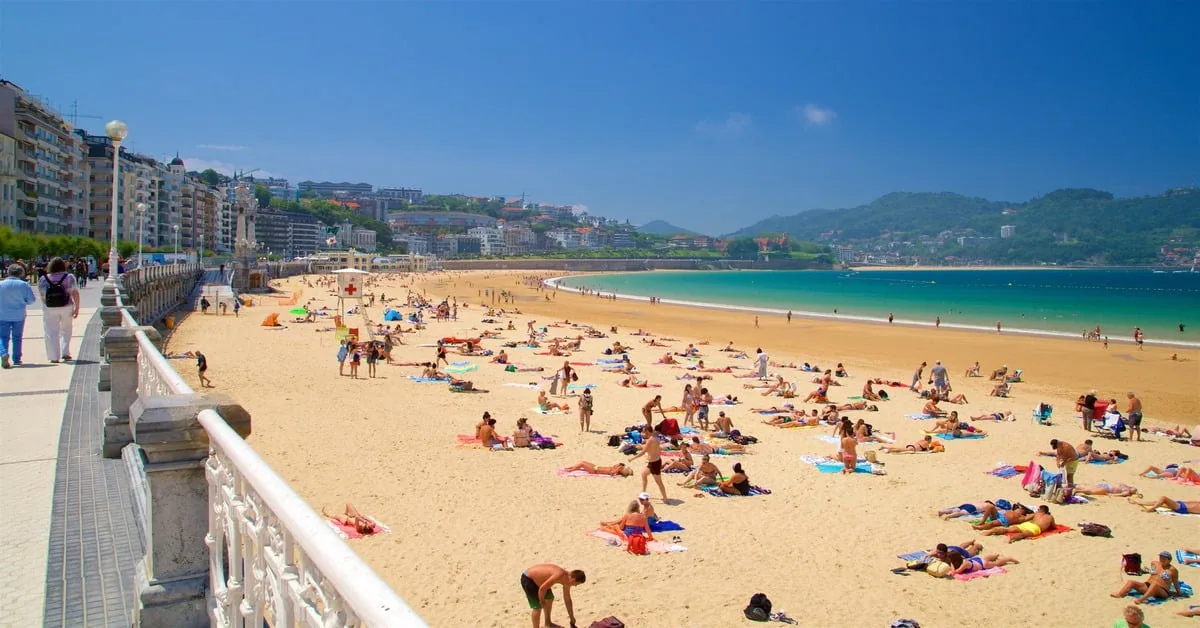
La Concha is often called the most beautiful urban beach in Europe, and the claim is hard to dispute. This perfect crescent of golden sand curves around a sheltered bay in San Sebastian, framed by green hills on either side and an elegant Belle Epoque promenade behind. The water is calm, clean, and surprisingly warm for the Bay of Biscay.
San Sebastian is also Spain's culinary capital, packed with more Michelin stars per capita than almost any city on Earth. Spend the morning on the beach, then wander the old town's narrow streets grazing on pintxos, the Basque version of tapas, washed down with crisp txakoli wine. La Concha delivers the rare combination of a stunning beach and a world-class city.
Playa de Ses Illetes, Formentera
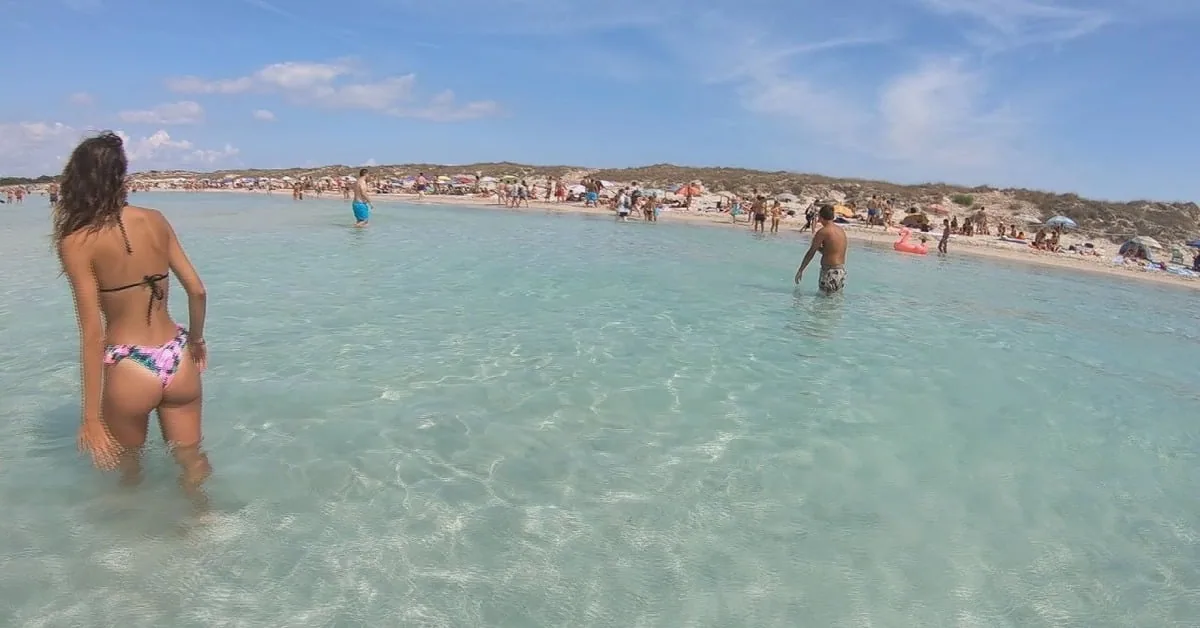
Formentera, Ibiza's quieter little sister, is home to Playa de Ses Illetes, a slender finger of white sand that juts into water so clear it looks like liquid glass. The Caribbean comparisons are inevitable and entirely justified. The seabed here is covered in posidonia seagrass meadows, a UNESCO-protected ecosystem that keeps the water pristine.
Formentera is car-free in spirit if not in regulation. Most visitors explore by bicycle or scooter, stopping at chiringuitos (beach bars) for fresh paella and sangria. The island's laid-back, bohemian vibe attracts those who want the Balearic experience without the thumping bass of Ibiza's superclubs.
Costa del Sol
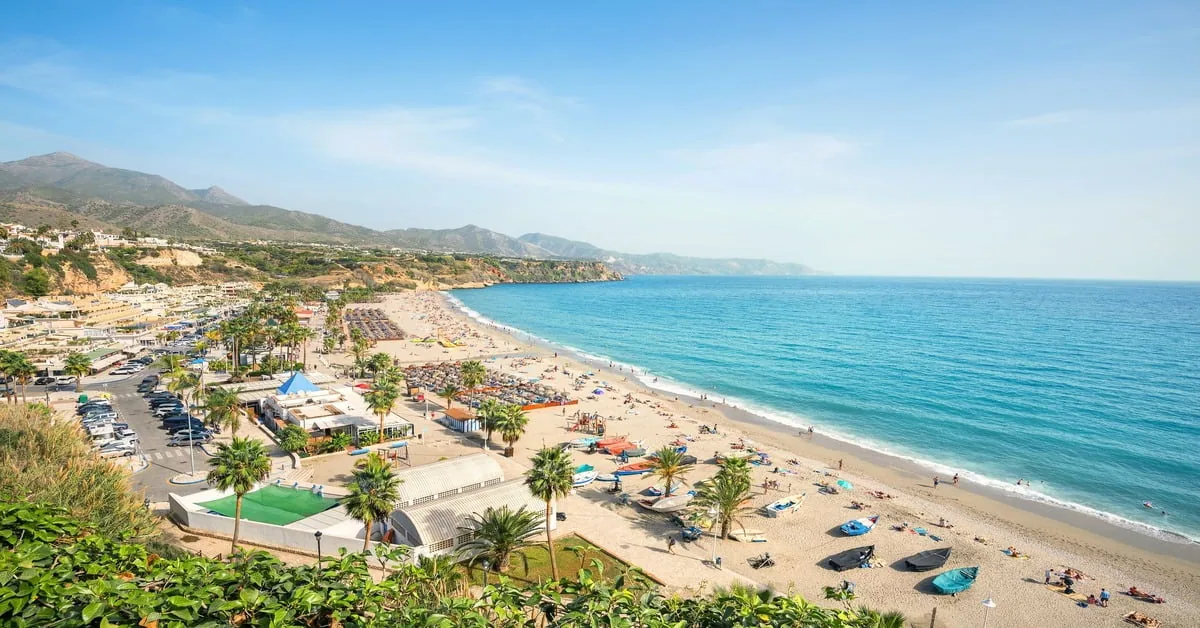
The Costa del Sol lives up to its name with over 300 days of sunshine per year. Stretching along Andalusia's southern coast, this region offers mile after mile of sandy beaches backed by whitewashed towns, golf courses, and a nightlife scene that rivals anything in the Mediterranean.
Marbella is the glamorous heart of the coast, where designer boutiques and yacht-filled marinas set the tone. But venture to smaller towns like Nerja or Frigiliana to find a more authentic Andalusian experience, with flamenco bars, Moorish architecture, and fried fish served in paper cones at beachside kiosks.
Greece
Navagio Beach, Zakynthos
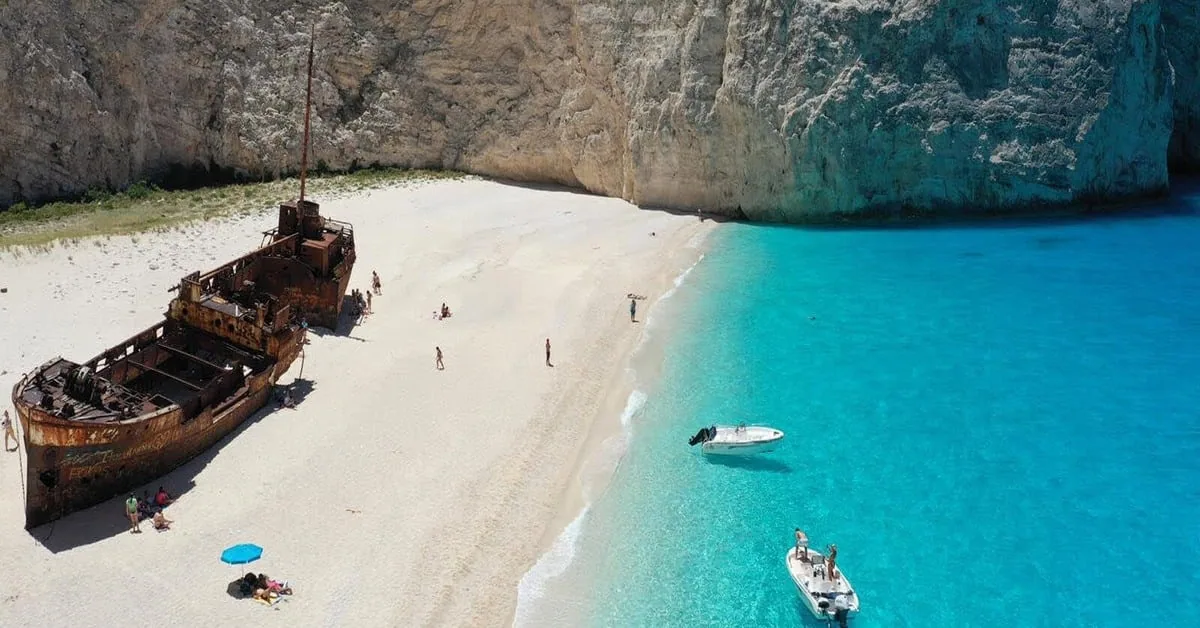
Navagio Beach is one of the most photographed spots on the planet, and seeing it in person is even more striking than the images suggest. A rusting shipwreck sits on blinding white sand, enclosed on three sides by soaring limestone cliffs that drop hundreds of feet straight into water of an almost supernatural blue. The only access is by boat, which adds to the sense of discovery.
Arrive early to beat the tour boats, and take time to swim in the luminous water that shifts between shades of cobalt and turquoise. For the ultimate view, hike to the cliff-top viewpoint above the beach, where the full spectacle unfolds below like a scene from a film.
Elafonissi Beach, Crete
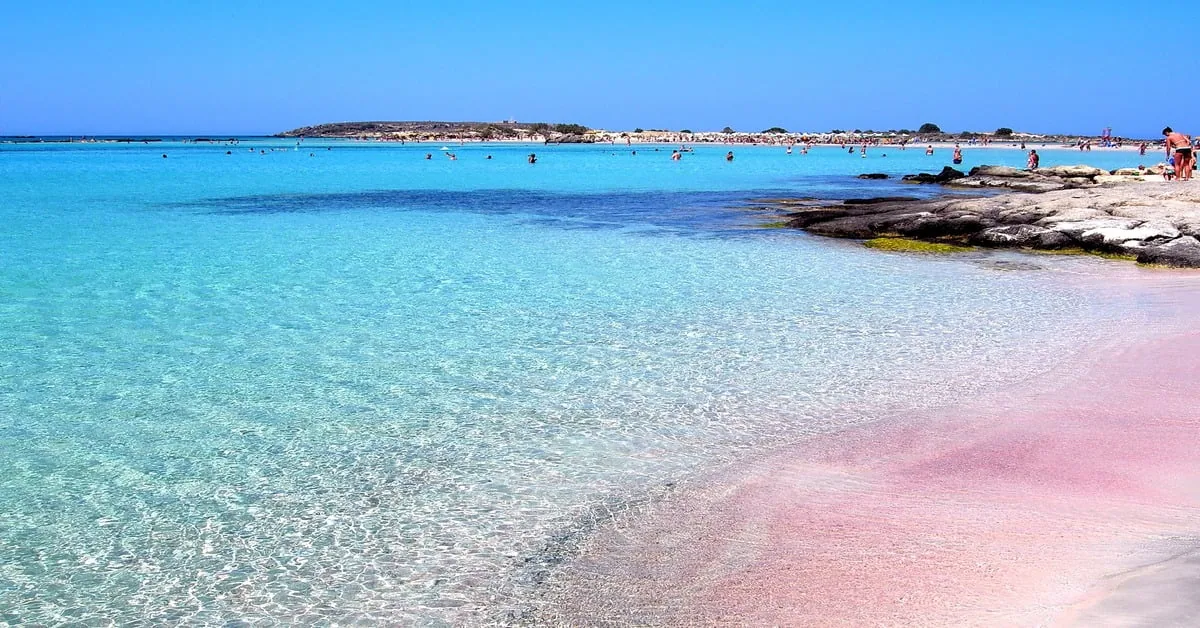
Elafonissi Beach turns the idea of a Greek beach on its head. The sand here blushes pink, tinted by millions of crushed shells, and the water is so shallow you can wade hundreds of meters from shore without it reaching your waist. A sandbar connects the beach to a small island, creating a lagoon that feels more like the South Pacific than the Mediterranean.
Located on Crete's remote southwestern tip, reaching Elafonissi requires a winding mountain drive that is an adventure in itself. The effort filters out casual visitors, leaving this extraordinary beach quieter than its fame might suggest. Bring snorkeling gear and a picnic, as the nearest village is a pleasant drive away.
Myrtos Beach, Kefalonia
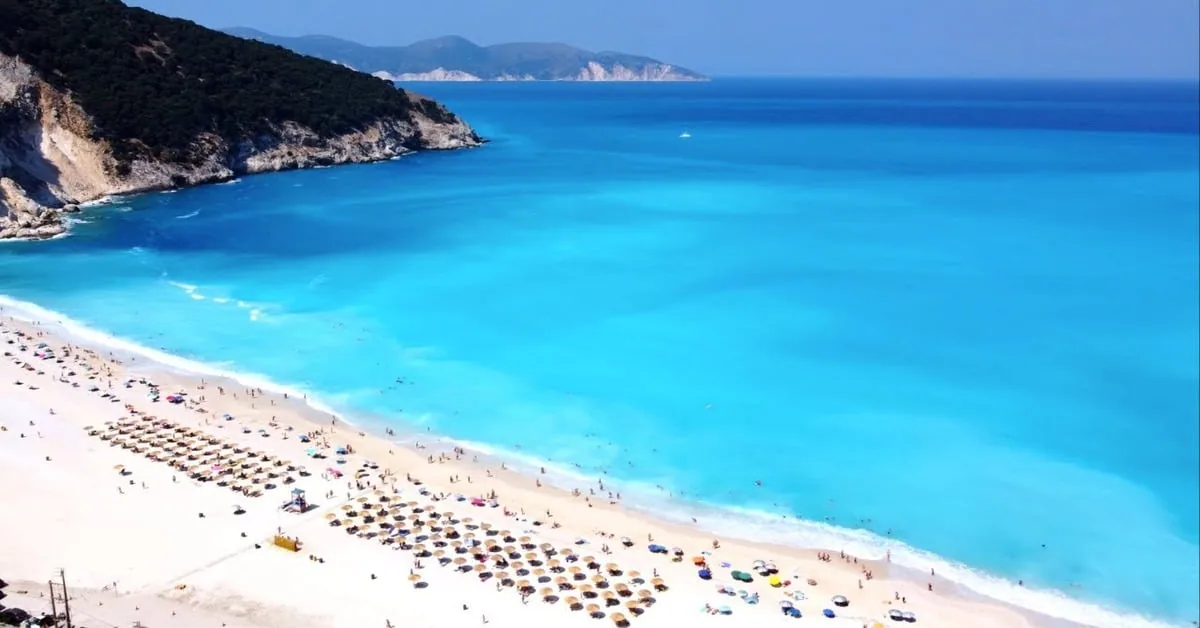
Myrtos Beach is drama incarnate. The white pebble beach sits at the base of immense green cliffs that plunge into water so deeply blue it almost looks black in places. The contrast between the white stones, emerald hillsides, and sapphire sea creates a color palette that seems too vivid to be real.
The beach is best viewed from the winding road above before you descend to the shore. Swimming here is glorious but be mindful of the strong currents that can develop. Kefalonia, the largest of the Ionian Islands, rewards exploration beyond the beach with underground lakes, ancient ruins, and villages that feel untouched by time.
Italy
Spiaggia dei Conigli, Lampedusa
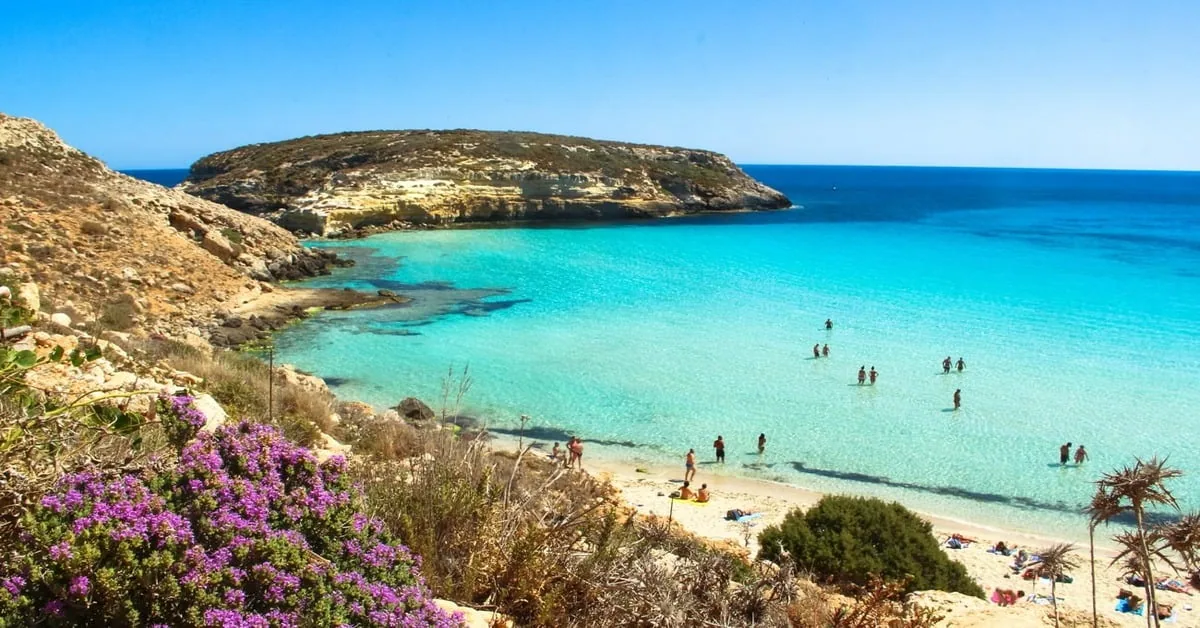
Spiaggia dei Conigli, or Rabbit Beach, sits on the tiny island of Lampedusa, closer to Africa than to mainland Italy. This beach consistently ranks among the world's best, and the reason is immediately clear. The sand is fine and white, the water is a kaleidoscope of blues and greens, and the setting feels utterly wild and untamed.
The beach is also a protected nesting site for loggerhead sea turtles, adding an ecological dimension to its beauty. Access is by foot along a nature trail, and numbers are sometimes limited to protect the environment. This is nature at its most generous and most fragile.
Cala Goloritze, Sardinia
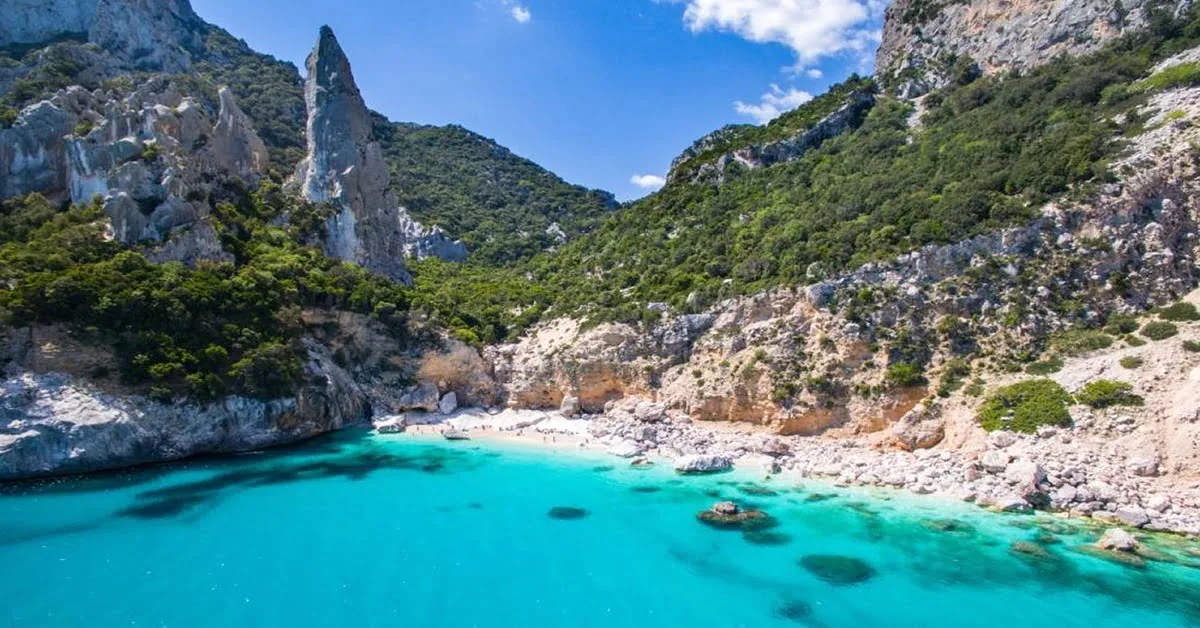
Cala Goloritze is a masterpiece of natural architecture. A towering limestone pinnacle rises from the sea at one end of the cove, while sheer cliffs shelter a small beach of white pebbles and sand. The water is so transparent that boats appear to float in midair, their shadows clearly visible on the seabed below.
Reaching this beach requires either a boat trip or a steep one-hour hike down from the plateau above. The hike is rewarding in itself, passing through fragrant Mediterranean scrubland alive with wildflowers and birdsong. Once at the bottom, the secluded cove feels like a private paradise.
Portugal
Praia da Marinha, Algarve
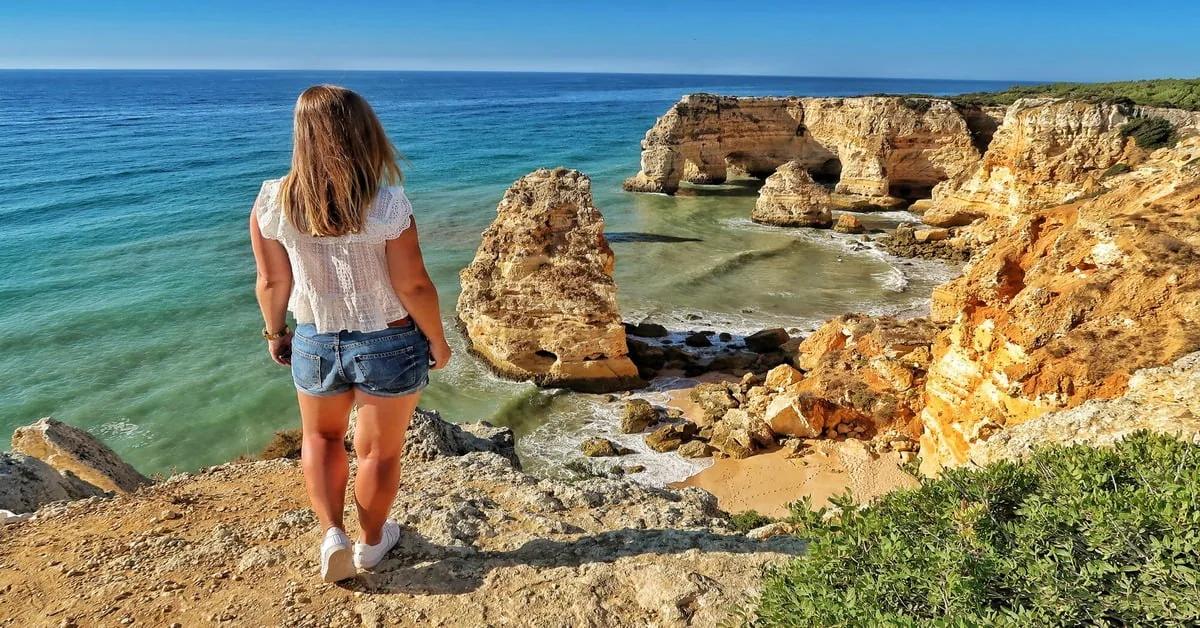
Praia da Marinha is the Algarve at its most photogenic. Golden limestone cliffs have been carved by the sea into arches, stacks, and grottos that glow warmly in the afternoon light. The beach itself is a compact stretch of sand reached by a staircase cut into the cliff, with clear water that invites snorkeling around the rock formations.
From the cliff top, the view is staggering. Rock arches frame turquoise pools, and natural pillars rise from the surf like ancient columns. The Algarve coastline stretches in both directions, offering countless similar coves to explore by kayak or on foot via the cliff-top trail.
Nazare
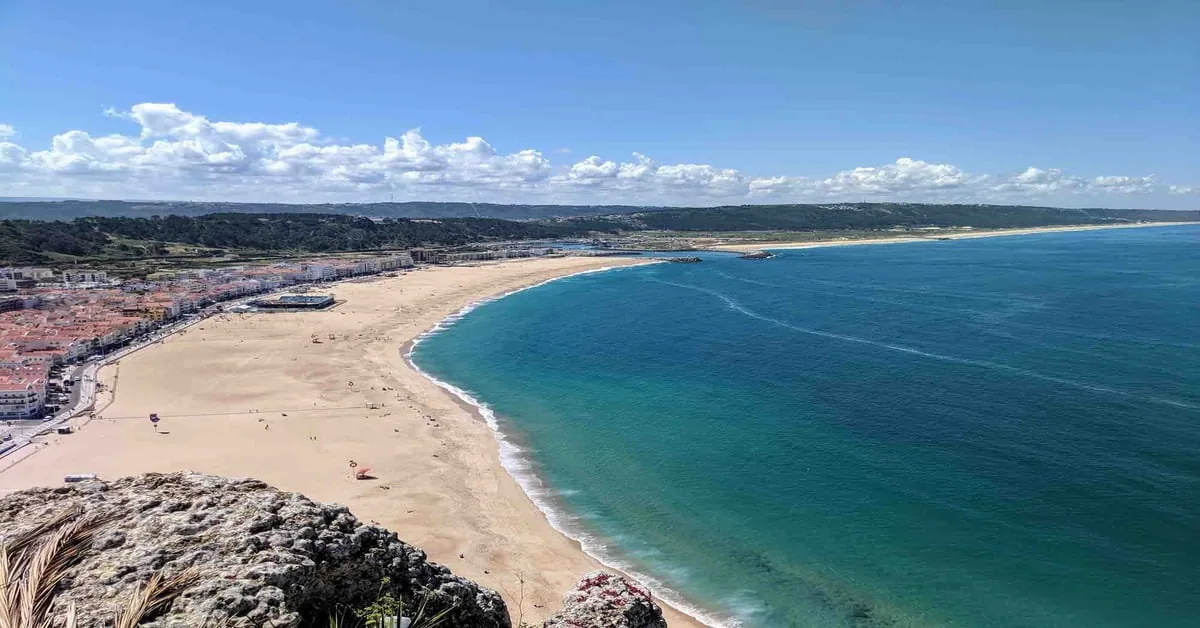
Nazare is not your typical beach destination, and that is precisely the appeal. This fishing town is famous for producing the largest surfable waves on Earth, with swells that can exceed 80 feet during winter storms. The underwater Nazare Canyon funnels Atlantic energy directly toward the shore, creating walls of water that defy comprehension.
In summer, the beach is a pleasant stretch of sand with a charming town behind it. But visit between October and March and you might witness big-wave surfers challenging mountains of white water. The clifftop fort of Sao Miguel Arcanjo provides the best vantage point, and the spectacle is free, raw, and utterly thrilling.
France
Cote d'Azur
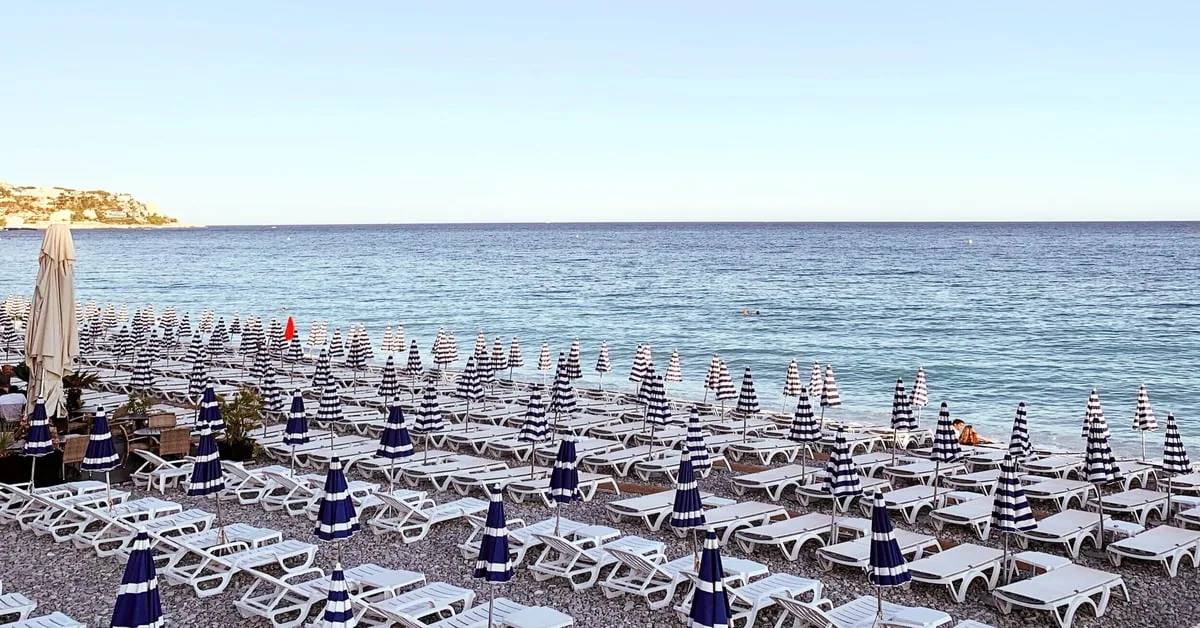
The Cote d'Azur invented the concept of the beach holiday. This stretch of the French Riviera, from Nice to Saint-Tropez, has drawn artists, writers, and sun-seekers for over a century. The beaches are a mix of sand and smooth pebbles, backed by palm-lined promenades and pastel-colored buildings that glow in the famous Mediterranean light.
Glamour runs deep here. Cannes film festival, Monaco's Grand Prix, and the yachts of Saint-Tropez all contribute to an atmosphere of effortless sophistication. But the Riviera also has quieter corners. The Calanques near Cassis, a series of fjord-like inlets with crystal-clear swimming, offer wild beauty just minutes from civilization.
Biarritz
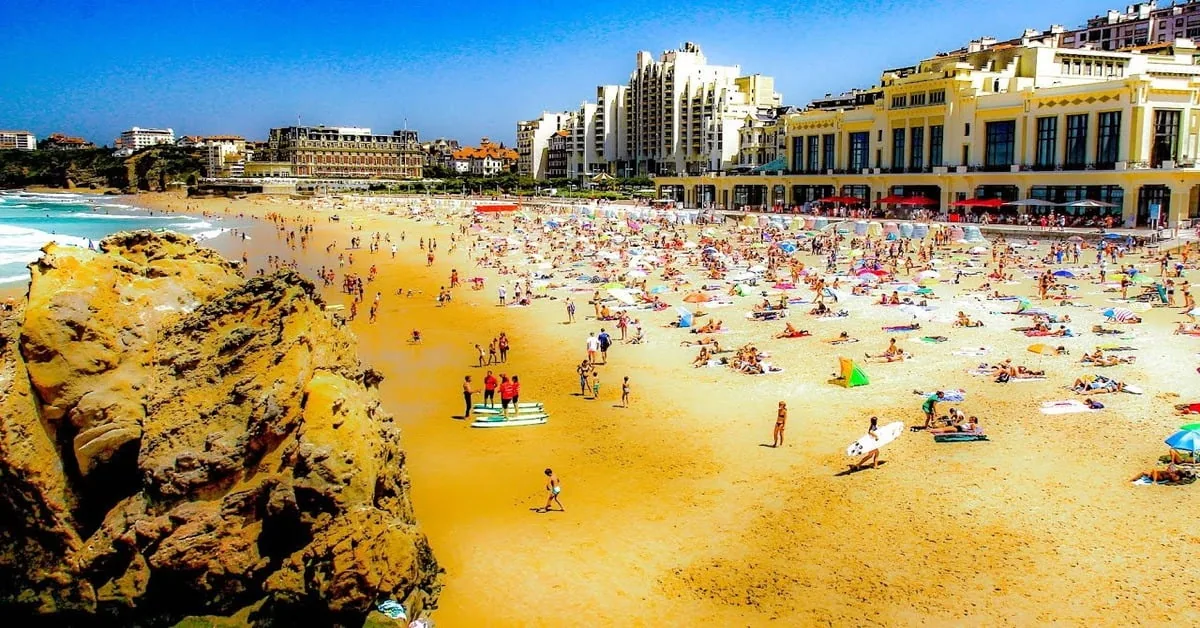
Biarritz is where European surf culture was born. This elegant Basque town on France's Atlantic coast combines powerful ocean waves with the refinement of a 19th-century resort. The Grande Plage is the main beach, a wide sweep of sand flanked by grand hotels and a rocky promontory topped with a lighthouse.
Surfers flock to the Cote des Basques, a beach that catches consistent Atlantic swells and offers stunning views of the Pyrenees on clear days. After a session in the waves, Biarritz rewards with excellent Basque cuisine, from seafood platters to rich chocolate from the town's historic chocolatiers. This is surfing with a side of culture.
Poland
Sopot Beach
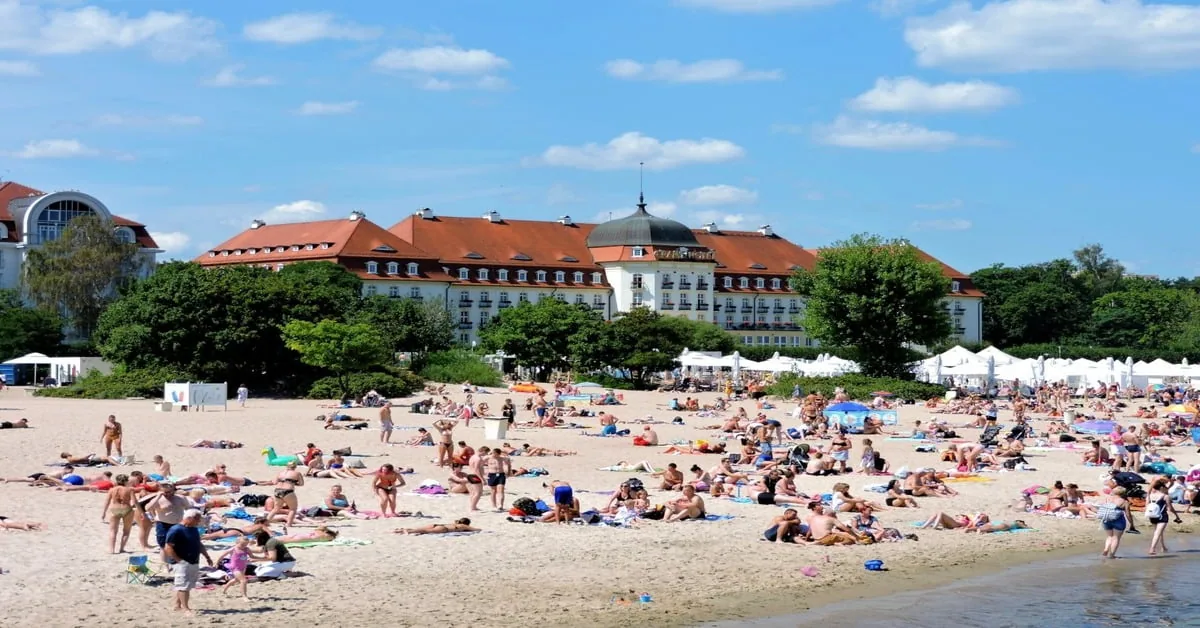
Sopot might be the most surprising entry on this list. This Baltic resort town, wedged between Gdansk and Gdynia, boasts Europe's longest wooden pier, stretching over 500 meters into the calm waters of the Gulf of Gdansk. The beach is wide, sandy, and immaculately maintained, backed by a lively promenade of restaurants, bars, and art nouveau architecture.
Summer transforms Sopot into Poland's party capital, with open-air concerts, beach bars, and a festive atmosphere that lasts well past midnight. The water is cooler than the Mediterranean but perfectly refreshing on a warm July day. For a completely different European beach experience, Sopot delivers in spades.
Hel Peninsula
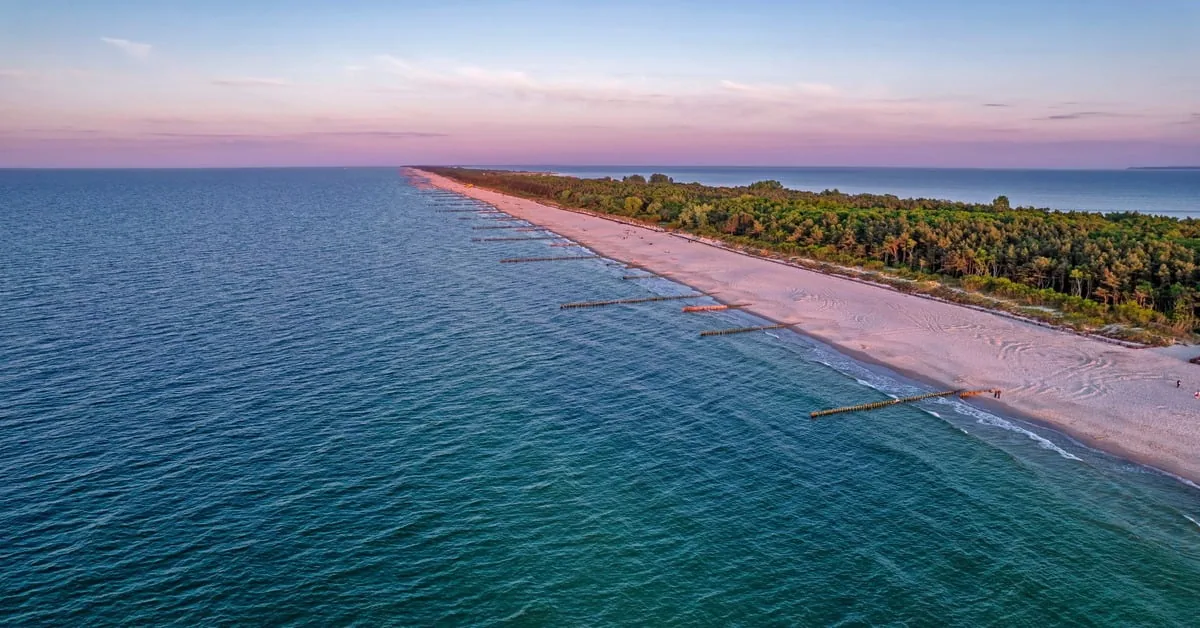
The Hel Peninsula is a slender finger of sand stretching 35 kilometers into the Baltic Sea, creating a natural barrier between the open ocean and the sheltered Puck Bay. The beaches here are broad and uncrowded, with fine white sand that rivals anything in the Mediterranean. The bay side offers calm, warm water ideal for families, while the open Baltic side provides gentle waves.
The peninsula is dotted with small fishing villages, each with its own character. Jastarnia is a windsurfing hotspot, while the town of Hel at the peninsula's tip has a seal sanctuary and a naval museum. The journey along the peninsula, whether by car, bike, or ferry from Gdynia, is a scenic adventure in itself.
Estonia
Parnu Beach
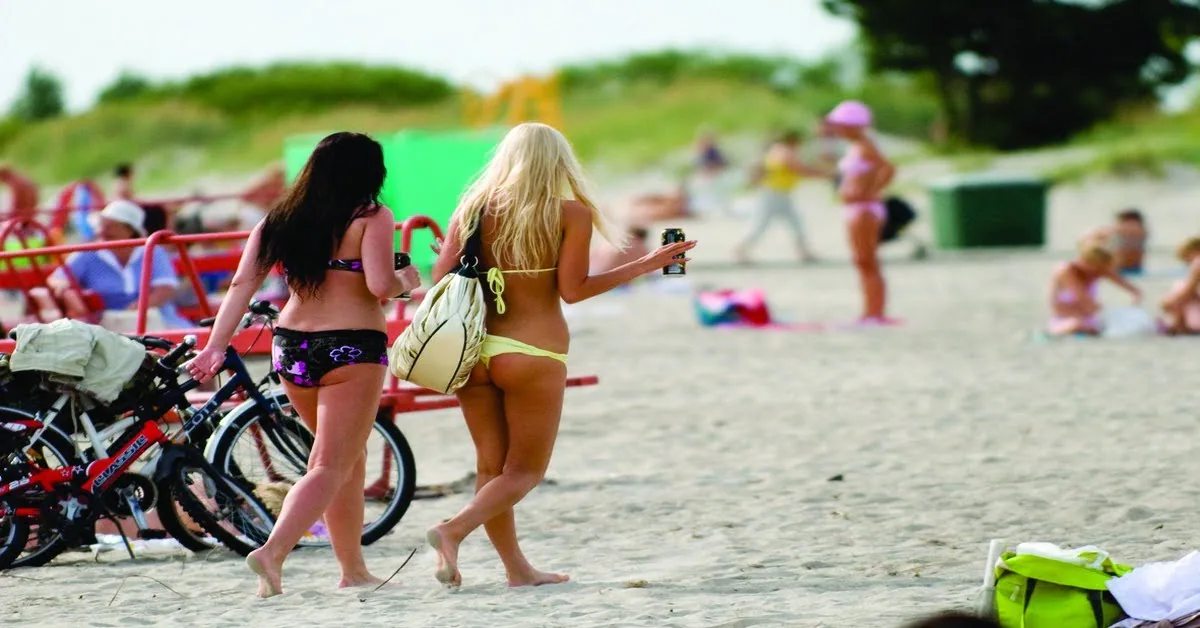
Parnu is Estonia's summer capital, and its beach is the reason why. A vast expanse of fine, pale sand stretches along the coast, backed by a park of tall pines that scent the warm summer air. The water is shallow and heats quickly during the long days of the Baltic summer, when the sun barely sets and the light takes on a magical golden quality.
The town itself is a charming blend of wooden houses, art nouveau villas, and modern spas. Estonia's spa tradition runs deep, and a day alternating between the beach and a traditional sauna is the quintessential Parnu experience. The town's cafe culture, craft beer scene, and summer festivals add layers of enjoyment to any beach holiday.
Narva-Joesuu
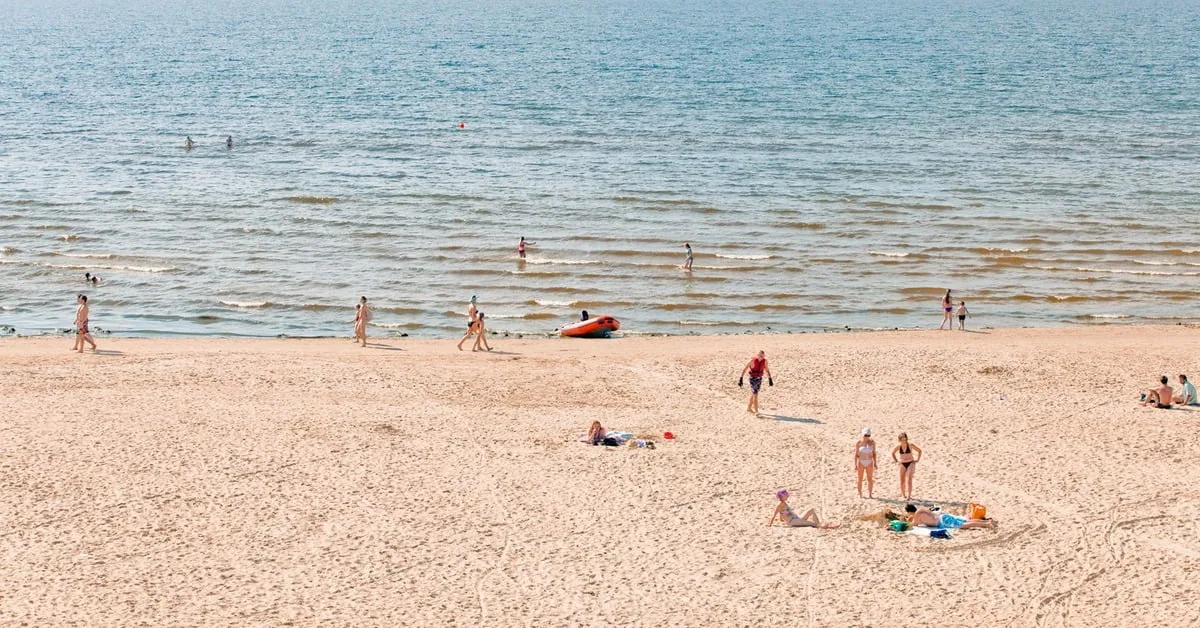
Narva-Joesuu sits on Estonia's eastern border, a historic spa resort that has been welcoming visitors since the 19th century. The beach is stunning in its simplicity: a long, straight ribbon of white sand bordered by dense pine forest that stretches as far as the eye can see. The air smells of pine resin and sea salt, and the silence is broken only by waves and birdsong.
This is one of Europe's most underrated beach destinations. The sand is exceptionally fine, the water is clean, and the crowds are virtually nonexistent even in peak summer. Historic wooden spa buildings and a handful of hotels cater to visitors, but the real luxury here is space, silence, and the raw beauty of the Baltic coast.
Tips for European Beach Travel
- July and August are peak season across southern Europe, with the best weather but highest prices and largest crowds
- June and September offer warm water and sunshine with significantly fewer visitors at Mediterranean beaches
- Baltic beaches are best from late June through August when water temperatures are most comfortable
- Many European beaches charge for sun loungers and umbrellas, but you can always lay a towel on the free sand
- Consider shoulder-season travel for the best combination of value, weather, and elbow room
Europe's beaches shatter the myth that you need a long-haul flight to find paradise. From the shipwreck shores of Zakynthos to the unexpected delights of the Polish Baltic coast, this continent offers coastal beauty as varied and surprising as Europe itself. Every stretch of sand has a story to tell, and the best way to hear it is to lay down your towel and listen.
Frequently Asked Questions
What is the best beach in Europe?
Navagio (Shipwreck) Beach in Zakynthos, Greece, is frequently voted Europe's best for its dramatic scenery. La Concha in San Sebastian, Zlatni Rat in Croatia, and Rabbit Beach in Lampedusa, Italy, also regularly top European beach rankings.
Where are the warmest beaches in Europe?
The Canary Islands (Spain) offer year-round beach weather with water temperatures of 68-75°F. In summer, the eastern Mediterranean is warmest: Cyprus, Crete, and Turkey's Aegean coast see water temperatures of 77-82°F from July through September.
What is the cheapest European country for a beach vacation?
Albania, Bulgaria, and Montenegro offer the lowest-cost beach vacations in Europe, with daily budgets of $40-60 covering accommodation and meals. Greece and Portugal are mid-range at $80-120/day. The Dalmatian coast of Croatia and the French Riviera are the priciest.
When is the best time to visit European beaches?
June through September is peak beach season across southern Europe. Water temperatures peak in August. The shoulder months of May and October work well for the Canary Islands, southern Crete, and Cyprus, where temperatures remain in the 70s°F and crowds are minimal.
Are European beaches free to access?
Public beach access is legally guaranteed in most European countries including Spain, France, Greece, and Portugal. However, many beaches in Italy, Greece, and Croatia have paid sunbed and umbrella sections that can cost $15-40/day for two loungers. Free sections always exist nearby.
Do European beaches have lifeguards?
Major tourist beaches in Spain, Portugal, France, and Greece have lifeguards from June through September, typically from 10am to 7pm. Flags indicate swimming safety: green means safe, yellow means caution, and red means no swimming. Remote and island beaches often have no lifeguard coverage.
Which European beaches have the clearest water?
Sardinia and the Aeolian Islands in Italy, Hvar and Vis in Croatia, and Crete and the Ionian Islands in Greece have some of the clearest water in Europe. Visibility can reach 100 feet or more. The Mediterranean is generally much clearer than Atlantic-facing beaches.