Table of Contents
Caribbean Beaches in the North Atlantic
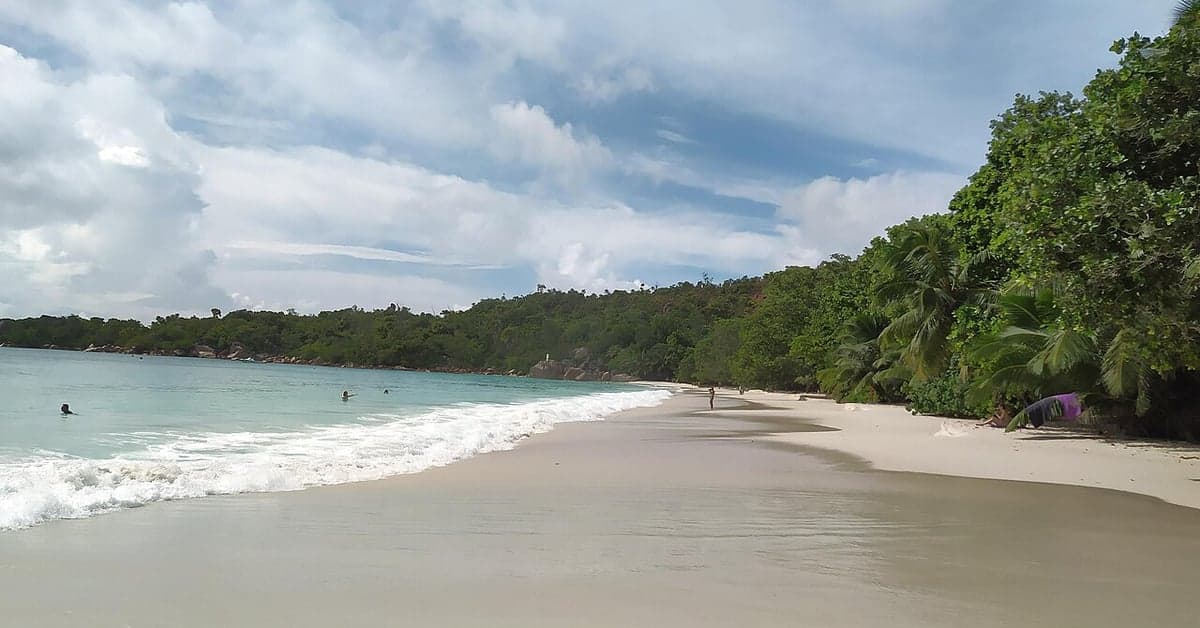
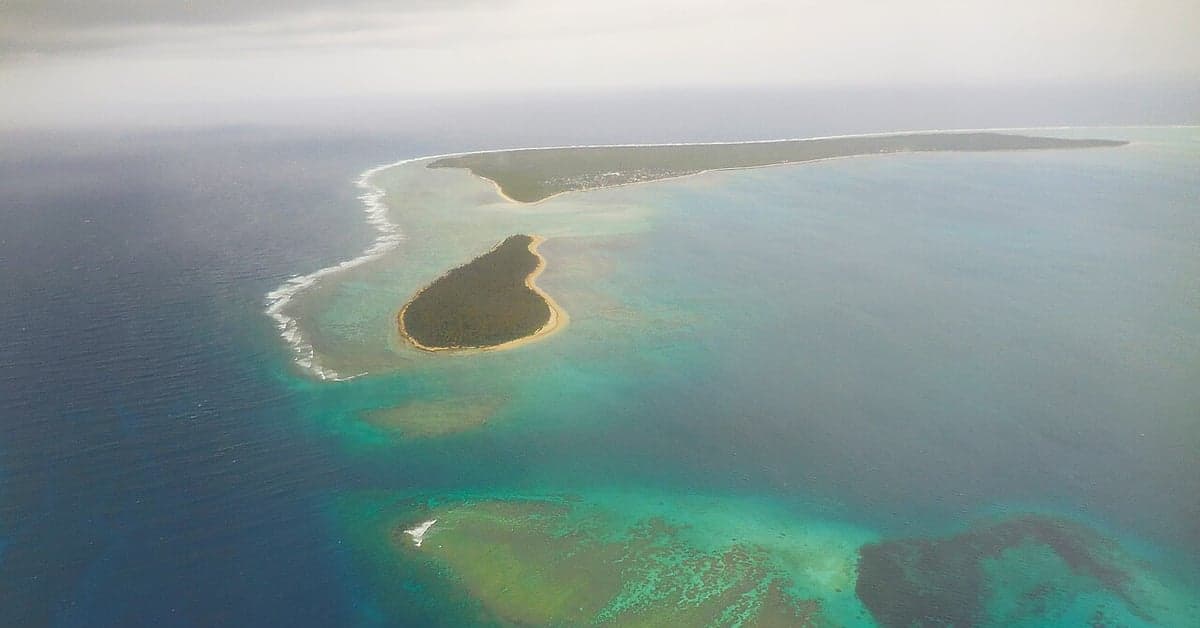
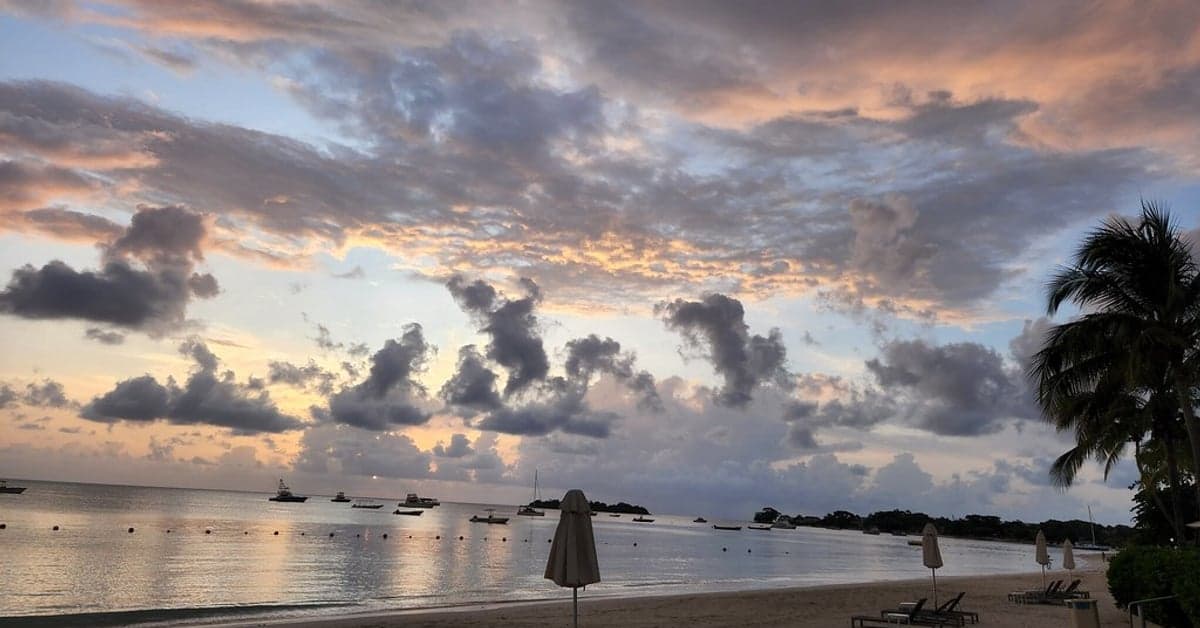
The Outer Hebrides (also called the Western Isles) are a 200-kilometer chain of islands off the northwest coast of Scotland. The beaches here are genuinely stunning: white shell sand, turquoise water, empty stretches that go on for kilometers. Photographs of Luskentyre or Scarista could pass for the Maldives or the Seychelles if you cropped out the surrounding moorland and the clouds. The difference, of course, is the temperature. Water hovers between 10-15 degrees Celsius even in summer, the wind is relentless, and a sunny beach day in the Hebrides is a gift, not a guarantee.
For travelers who appreciate wild, empty landscapes and do not require warm water for a beach to be worthwhile, the Outer Hebrides contain some of the finest coastal scenery in Europe. This guide covers the standout beaches from Lewis in the north to Barra in the south, with practical details on access, weather, and what to bring.
Harris
Luskentyre Beach
Luskentyre is the beach that launched a thousand Instagram posts and the one most likely to appear on "best beaches in the world" lists compiled by people who have never been to Scotland. The hype is justified. A vast sweep of white shell sand stretches along the mouth of Luskentyre Bay, with water that shifts between aquamarine and deep blue depending on the tide and sky. Behind the beach, machair grassland (a coastal habitat unique to Scotland and Ireland) extends to the foot of the Harris hills.
At low tide, the beach is enormous: hundreds of meters of flat, wet sand reflecting the sky. At high tide, the water pushes closer to the dunes but the swimming (if you can handle the temperature) is in clean, clear water over a sandy bottom. The beach has a small car park (free, no facilities) and can be combined with a walk along the coastline to neighboring Seilebost Beach.
Scarista Beach
Scarista is a 2-kilometer crescent on Harris's west coast, backed by machair and facing the open Atlantic. The sand is white, the water is clear, and the beach is frequently empty. On a sunny day, the colors rival anything in the tropics. The Scarista House hotel (one of the few accommodation options in the area) serves dinner using local ingredients: Harris lamb, Hebridean seafood, and vegetables from the garden.
Horgabost Beach
Smaller than Luskentyre and Scarista but equally beautiful, Horgabost sits directly opposite the island of Taransay (the island used for the BBC's Castaway 2000 television series). The beach has fine white sand, dunes, and views across the Sound of Taransay. Wild camping is legal in Scotland under the right of responsible access, and Horgabost is a popular wild camping spot during summer months.
Lewis
Uig Sands (Traigh Uige)
Uig Sands on the west coast of Lewis is a massive tidal beach at the head of Uig Bay. At low tide, the sand extends for nearly a mile. The beach is historically significant: the Lewis Chessmen, a set of 12th-century Norse chess pieces now displayed in the British Museum and the National Museum of Scotland, were discovered here in 1831. A replica set is displayed in the Uig Museum near the beach.
The surrounding landscape of steep cliffs, waterfalls, and moorland gives the area a dramatic, isolated character. Accommodation options are limited to a few B&Bs and self-catering cottages in the Uig area.
Reef Beach (Traigh na Beirigh)
Reef Beach on the Uig peninsula is a sheltered crescent of white sand backed by dunes and machair. The beach is less well-known than Luskentyre but equally photogenic, with turquoise water and a mountainous backdrop. Access requires a 20-minute walk from the road, which keeps visitor numbers low. The walk crosses machair that blooms with wildflowers in June and July.
North Uist and Berneray
West Beach, Berneray
West Beach on the small island of Berneray stretches for 3 kilometers of white sand along the northwest coast. The beach is vast, flat, and almost always empty. Prince Charles reportedly considered it one of his favorite beaches in Britain. The island connects to North Uist by a causeway and has a hostel, a shop, and a community-run cafe. The simplicity is part of the appeal: there is nothing to do except walk, watch birds, and stare at the ocean. During summer evenings, the light lingers past 10 PM, casting the white sand in a golden glow that photographers travel thousands of miles to capture. The island has a population of roughly 130 people, all of whom seem to know when visitors have arrived.
Hosta Beach
Hosta on North Uist's north coast offers a wide beach with views toward the Monach Islands, an uninhabited archipelago 8 kilometers offshore. The beach is popular with local surfers when Atlantic swells push through, and the surrounding area is home to large populations of wading birds. The machair behind the beach blooms spectacularly in early summer.
South Uist and Barra
Howmore Beach
South Uist's west coast is essentially one continuous 30-kilometer beach, and Howmore is the most accessible section. White sand, rolling dunes, and an empty Atlantic horizon define the scene. The Gatliff Trust hostel at Howmore occupies a restored blackhouse (traditional thatched cottage) and provides basic accommodation for hikers and beachgoers at a few pounds per night. The beach is a short walk from the hostel across the machair. The combination of affordable accommodation, wild beach, and utter tranquility makes Howmore a favorite among long-distance hikers walking the Hebridean Way, a 156-mile trail running the length of the island chain from Vatersay to Stornoway.
Traigh Mhor, Barra
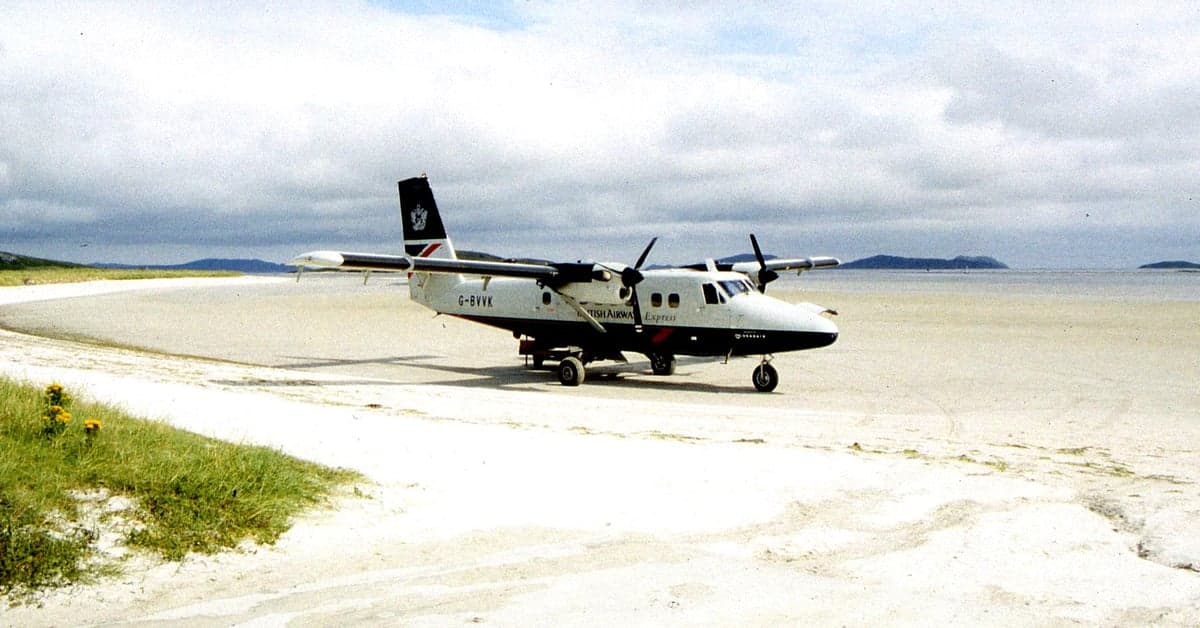
Traigh Mhor on Barra has the distinction of being the only beach in the world that serves as a scheduled airport runway. Twin Otter aircraft from Loganair land on the sand at low tide, making it the only airport where flight schedules are determined by tide tables rather than air traffic control. The beach itself is a wide expanse of hard-packed sand, and watching a plane land while you are standing on the beach is a uniquely Hebridean experience. Flights operate from Glasgow and connect Barra to the mainland. Check Loganair for current timetables.
Practical Information
Getting There
CalMac ferries operate from Ullapool to Stornoway (Lewis), from Uig (Skye) to Tarbert (Harris) or Lochmaddy (North Uist), and from Oban to Castlebay (Barra). Ferry crossings take 90 minutes to 5 hours depending on the route. Book car spaces well in advance during summer. Loganair flights connect Glasgow, Edinburgh, and Inverness to Stornoway and Barra. Inter-island causeways connect Lewis, Harris, North Uist, Benbecula, and South Uist into a single driveable chain.
Best Time to Visit
May through September offers the longest days (up to 18 hours of daylight in midsummer) and the warmest temperatures (12-18 degrees Celsius). June and July have the most settled weather, though rain is possible at any time. Midges (tiny biting insects) are worst in June-August on still, overcast days. Bring midge repellent and a head net. The beaches are at their most photogenic in early morning and late evening light, which in midsummer extends past 10 PM.
What to Bring
Layers. The weather changes rapidly, and a sunny morning can become a windy, rainy afternoon within an hour. A windproof jacket, warm fleece, hat, and gloves are useful even in July. For beach visits, bring a windbreak (essential, not optional), a thermos of hot tea, and low expectations for swimming unless you have a wetsuit. A 4/3mm wetsuit extends comfortable water time significantly. For more unique European beaches, see our guide to Georgia's Black Sea coast.
Frequently Asked Questions
Can you swim at Outer Hebrides beaches?
You can, but the water temperature ranges from 10-15 degrees Celsius even in summer, which is genuinely cold. Brief dips are manageable for most people; sustained swimming requires a wetsuit (4/3mm minimum). The beaches have sandy bottoms and clean water, so the swimming itself is pleasant if you can handle the temperature. Some visitors bring wetsuits specifically for Hebridean beach swimming.
How do you get to the Outer Hebrides?
CalMac ferries run from mainland Scotland: Ullapool to Stornoway (2 hours 40 minutes), Uig on Skye to Tarbert or Lochmaddy (90 minutes), and Oban to Castlebay on Barra (5 hours). Flights from Glasgow, Edinburgh, and Inverness reach Stornoway (Lewis) and Barra in 1-1.5 hours via Loganair. Book car ferry spaces 2-3 months ahead for summer travel, as they sell out.
What are midges and how bad are they?
Highland midges are tiny biting flies that swarm in enormous numbers on still, warm, overcast days from June through August. They do not transmit diseases but their bites itch intensely. Wind and rain keep them away, and beaches are usually less affected than sheltered inland areas. Bring Smidge or Avon Skin So Soft (a local favorite) repellent, and consider a midge head net for evening walks. Windy days are midge-free.
Is wild camping legal in the Outer Hebrides?
Yes. Scotland's Land Reform Act gives everyone the right of responsible access to most land, including camping. You can pitch a tent on most beaches and machair areas as long as you leave no trace, are away from buildings, and do not stay in one spot for more than 2-3 nights. Popular wild camping beaches include Horgabost, Luskentyre, and Howmore. Pack out all rubbish and use a camping stove rather than an open fire.
What is the best beach in the Outer Hebrides?
Luskentyre on Harris is the most famous and arguably the most photogenic, with its vast sweep of white sand and turquoise water. Scarista Beach is equally beautiful and quieter. West Beach on Berneray wins for solitude. Traigh Mhor on Barra wins for uniqueness (planes land on it). There is no wrong choice; the overall quality across the islands is remarkably high.
When is the best time to visit the Outer Hebrides?
June and July offer the best combination of long daylight (18+ hours), settled weather, and wildflower blooms on the machair. May and September have fewer midges and lower prices but shorter days and cooler temperatures. Winter is dramatic but harsh, with limited accommodation open and short daylight hours. Book accommodation well ahead for summer, as options are limited across the islands.
Do you need a car in the Outer Hebrides?
A car is strongly recommended. Public buses run along the main roads but are infrequent and do not reach most beaches directly. Bike touring is popular but demanding due to wind and distance. Car rental is available in Stornoway and at ferry ports, costing 30-50 GBP per day. The islands are connected by causeways (Lewis through South Uist), so one car covers the main chain. Barra requires a separate ferry or flight.