Solo Female Travel: The Safest Beach Destinations
Table of Contents
Prices in this guide are approximate and change often. Check with the hotel, airline or operator before you book.
The beach destinations with the lowest official risk ratings and the easiest logistics for women traveling alone are Portugal's Algarve, Iceland, New Zealand, Japan, Croatia, Australia and Greece, all rated Level 1 ("exercise normal precautions") by the US State Department. Bali and Costa Rica are hugely popular with solo women and well set up for them, but both carry a Level 2 rating, and the specific warnings matter.
How This List Was Compiled
Safety for solo female travelers involves more than crime statistics. This guide weighs official government advice first, then walkability, reliable public transport, cultural attitudes toward women traveling alone, and how established the solo-traveler infrastructure is (hostels with female-only dorms, group activities, easy transport between beach towns). The advisory levels below come from the US State Department travel advisories, cross-checked against Canada's country pages on travel.gc.ca and the UK Foreign Office (FCDO). Advisories change, so check the current page for your destination the week you book and again before you fly.
No destination is risk-free, and the baseline precautions apply everywhere. Canada's advice for women travellers covers the essentials: share your plans with someone at home, watch your drink being made and never leave it unattended, use registered taxis or ride-hailing apps, keep your room number private, and avoid walking alone at night in poorly lit areas.
The Nine at a Glance
Government advice for each destination as given below, next to its rank in the 2026 Global Peace Index (Institute for Economics and Peace, 163 countries ranked; 1 is the most peaceful). The index measures national safety, conflict and crime, not the experience of women travellers specifically, so read it alongside the advice.
| Destination | US advisory | Canada | Global Peace Index 2026 |
|---|---|---|---|
| Iceland | Level 1 | Normal precautions | 1st |
| New Zealand | Level 1 | Normal precautions | 2nd |
| Algarve, Portugal | Level 1 | Normal precautions | 7th |
| Japan | Level 1 | Normal precautions | 10th |
| Australia | Level 1 | Normal precautions | 20th |
| Croatia | Level 1 (two inland counties Level 2 for landmines) | - | 23rd |
| Greece | Level 1 | Normal precautions | 53rd |
| Costa Rica | Level 2 (crime) | High degree of caution | 62nd |
| Bali, Indonesia | Level 2 (natural disaster, terrorism, unrest) | High degree of caution | 69th |
Portugal's Algarve Coast
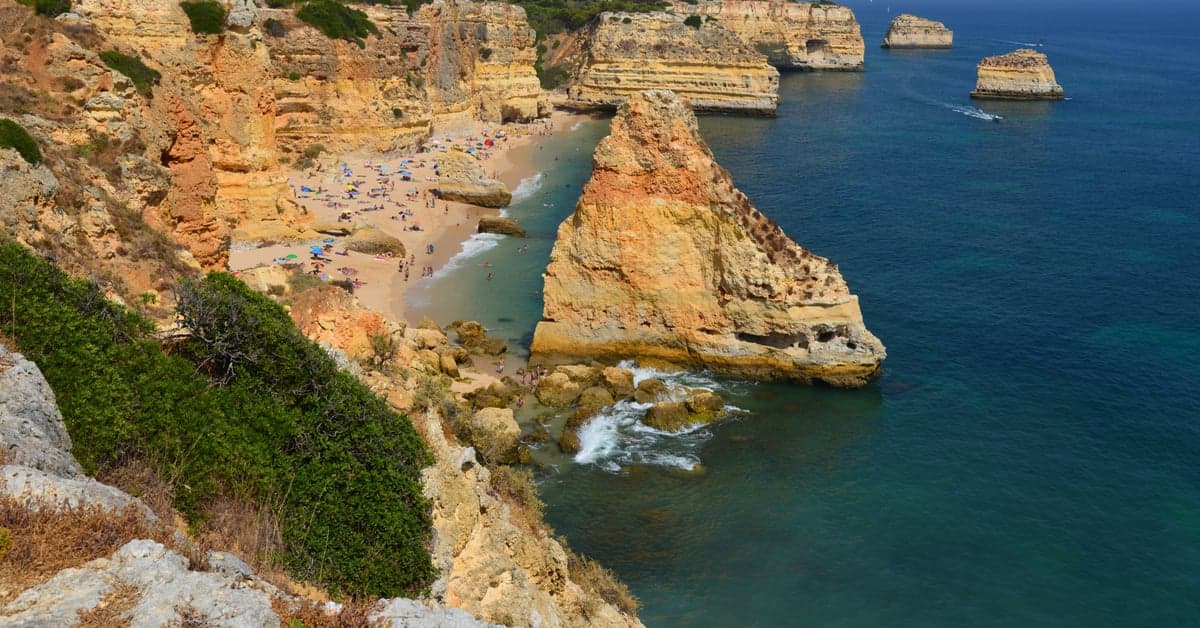
US advisory: Level 1. Canada: take normal security precautions. The Algarve in southern Portugal has dozens of beach towns with good infrastructure and moderate prices. Lagos is the usual base for solo travelers: the old town is compact and walkable, social surf hostels such as Bura Surfhouse run daily surf, kayak and hiking outings, and Praia Dona Ana and Praia do Camilo are within walking distance of town. Surf schools in Lagos and Sagres sell week-long packages that bundle lessons with accommodation, which is an easy way to meet people.
The regional train along the coast is cheap and simple: the full run from Lagos to Faro takes about 1 hour 45 minutes and costs around 8 euros one way, and shorter hops cost less. Canada's Portugal advice does flag one thing worth knowing: physical and sexual assaults occur in bars and nightclubs in Lisbon, Porto and the Algarve, so the standard nightlife precautions apply. On the beaches, obey the warning flags; rip currents are common on the Atlantic coast and the sandstone cliffs above Algarve coves do erode and drop rock.
Bali, Indonesia
US advisory: Level 2 (natural disaster, terrorism, unrest). Canada: exercise a high degree of caution. Bali has one of the largest solo-female-traveler scenes in Asia. Ubud, Canggu and Seminyak have female-only hostel dorms, co-living spaces and a large wellness community, and Canggu's mix of cafes, coworking spaces and surf schools makes it easy to meet people. For calmer beach days, the Bukit Peninsula has Padang Padang and Bingin, smaller beaches below the cliffs.
The official advice here is more pointed than the island's reputation suggests. The UK Foreign Office says reported cases of rape and sexual assault are high in Bali and Lombok, and links drink spiking to sexual assault in Bali, Lombok and the Gili Islands. Both the UK and Canada warn about methanol poisoning from adulterated spirits in tourist areas; you cannot taste or smell it, so stick to sealed beer and drinks from reputable bars. Canada also notes that motorcycle and scooter crashes are the main cause of death and serious injury among foreign visitors in Bali. Ride-hailing apps (Gojek and Grab both operate on the island) are a safer way to get between beaches than renting a scooter without riding experience, a motorcycle-endorsed licence and insurance that covers it. Dress modestly at temples (shoulders and knees covered). A comfortable solo budget runs roughly $40 to $80 a day.
Iceland's Coastal Towns
US advisory: Level 1. Canada: take normal security precautions. Iceland has ranked first in the World Economic Forum's Global Gender Gap Index for 16 straight editions, and its crime rates are among the lowest in Europe. The beaches are not tropical, but the black sand at Reynisfjara near Vík, with its basalt columns, is one of Europe's most photographed coastlines. In Reykjavík, Nauthólsvík geothermal beach mixes hot water into a sheltered lagoon; entry is free from May 15 to August 18, with a small fee outside that window.
The real danger in Iceland is the sea, not people. Canada's Iceland advice records that sneaker waves have killed visitors at Reynisfjara and neighbouring Kirkjufjara. A colour-coded warning light at the Reynisfjara entrance now shows how much of the beach is open that day; check the wave forecast on safetravel.is before you go and never turn your back on the water. Iceland is expensive (roughly $150 to $250 a day on a budget-to-midrange trip), and summer (June to August) brings close to 24 hours of daylight.
New Zealand
US advisory: Level 1. Canada: take normal security precautions. New Zealand's backpacker network is mature: YHA and other hostels are clean and social, intercity buses link the main beach regions, and solo women travelers are common. On the North Island's Coromandel Peninsula, Hot Water Beach lets you dig a natural hot pool in the sand around low tide, and Mautohe Cathedral Cove is reached by a coastal walk from Grange Road. That track has closed several times since Cyclone Gabrielle in 2023, so check the Department of Conservation updates before you go. On the South Island, the Abel Tasman Coast Track strings golden beaches together with water taxis and sea kayaking between stops.
Canada's New Zealand advice lists theft from unattended vehicles at tourist sites as the main crime risk, and notes that riptides are common, so swim at lifeguarded beaches. Budget roughly $80 to $130 a day with hostel accommodation.
Japan's Coastal Areas
US advisory: Level 1. Canada: take normal security precautions. Japan has very low rates of violent crime and theft. For beach time, Okinawa is the subtropical option: white sand, coral reefs and warm water from roughly April through October. Naha, the capital, is walkable, with hostels from around $20 a night and cheap local food. On Honshu, the Shonan coast near Tokyo (Kamakura and Enoshima) has busy summer beach culture, and Shirahama in Wakayama pairs a white sand beach with hot-spring onsen, many of which are gender-separated.
Two official cautions are specific to women. Canada's Japan advice notes that unwanted physical contact happens on crowded trains, and that some lines run women-only cars at rush hour. It also warns that in nightlife districts such as Tokyo's Kabukicho and Roppongi, bar staff or customers have drugged drinks to rob, overcharge or assault people. Okinawa is also the part of Japan most exposed to typhoons, which run from June to October.
Costa Rica
US advisory: Level 2 (crime), reissued April 2, 2026. Canada: exercise a high degree of caution. Costa Rica has the most developed solo-traveler scene in Central America. Santa Teresa on the Nicoya Peninsula is a surf-and-yoga town with a social hostel scene and a beach that runs for miles, and solo women surfers are common there. Accommodation runs from hostel dorms to boutique hotels well over $200 a night.
Read the advisory before you pick a base. Canada's Costa Rica advice says sexual assaults against foreigners have occurred at beach resorts and involving taxi drivers in San José, warns that snacks, drinks and cigarettes from new acquaintances may be drugged, and names Puerto Viejo and Puerto Limón on the Caribbean coast as places where violent assaults against travelers have occurred. Puerto Viejo is popular for its Afro-Caribbean culture and Playa Cocles, but it is the one Costa Rican beach town where the advisory language is direct, so stay central, use registered taxis at night and avoid empty beaches after dark. Canada also notes that riptides cause several drownings a year and most beaches have no lifeguards. Budget roughly $50 to $90 a day.
Croatia
US advisory: Level 1, reissued May 18, 2026. Karlovac and Lika-Senj counties are rated Level 2 because of leftover landmines in rural areas; Split, Makarska, Hvar, Brač and Dubrovnik are outside both. Croatia's Dalmatian coast is compact, walkable and well lit at night. Split and Dubrovnik have plenty of hostels, including small design hostels such as Hostel Emanuel in central Split, and the Jadrolinija ferry network between islands is reliable. The main tourist corridor (Split, Hvar, Dubrovnik) is busy with other travelers, so meeting people is easy. The pebble beaches around Makarska and on Brač and Hvar are among the best on the coast.
Canada's Croatia advice flags pickpocketing in tourist areas and the usual warning about drinks from strangers, and notes that autumn and winter waves can break farther up the beach than expected.
Australia
US advisory: Level 1. Canada: take normal security precautions. Australia's east coast, from the Gold Coast through Byron Bay to Sydney's beaches, is one of the most traveled solo routes in the world, with mature backpacker infrastructure. Byron Bay draws a large solo crowd for its surf schools, wellness scene and hostels.
Bondi Beach in Sydney is patrolled by lifeguards and surrounded by cafes and public facilities, and the Bondi-to-Coogee coastal walk is easy to do alone. Noosa on the Sunshine Coast is quieter, with a national park beach. The biggest risk is the water: always swim between the red-and-yellow flags on patrolled beaches, as Canada's Australia advice stresses. Australia is expensive, at roughly $100 to $180 a day on a budget.
Greece
US advisory: Level 1. Canada: take normal security precautions. The Greek islands are a classic solo trip, with good beaches, inexpensive guesthouses and frequent summer ferries. Crete's south and west coasts (Matala, Preveli, Elafonissi) have some of the best beaches in Europe, and Naxos and Paros in the Cyclades cost less than Santorini and Mykonos, with long sandy beaches and traditional villages. Budget rooms run roughly 30 to 60 euros a night in shoulder season, and inter-island ferries cost roughly 15 to 60 euros depending on route and boat.
Canada's Greece advice notes that foreigners have been sexually assaulted, most often on the islands, and advises against accepting rides from people you do not know. It also says tourists renting scooters and quad bikes have frequent accidents on the islands; road crashes are a bigger statistical risk in Greece than crime.
General Safety Tips for Solo Beach Travel
Keep valuables in a waterproof pouch when swimming; a phone and wallet left on an unattended towel is a target at any beach. Stay where there are lockers or in-room safes, and choose hostels with female-only dorms when available. Share your live location with a trusted contact through Google Maps or WhatsApp. Learn the local emergency number for each country (112 works across the EU, Iceland and many other countries; 000 in Australia; 111 in New Zealand; 110 for police in Japan). US citizens can enroll in the State Department's free STEP program to get embassy alerts. Online communities such as the Girls LOVE Travel Facebook group (well over a million members) are useful for recent, on-the-ground reports, but weigh them against the official advisory, not instead of it.
Frequently Asked Questions
What is the safest beach destination for solo female travelers?
On official ratings, Portugal, Iceland, New Zealand, Japan, Croatia, Australia and Greece are all US State Department Level 1 (exercise normal precautions) and 'take normal security precautions' in Canada's system. Iceland has also topped the World Economic Forum's gender gap index for 16 straight editions. Bali and Costa Rica are popular with solo women but are Level 2, with specific warnings about drink spiking and sexual assault.
Is Bali safe for solo female travelers?
Bali is well set up for solo women, but the official advice is cautious. Indonesia is US Level 2, and the UK Foreign Office says reported cases of rape and sexual assault are high in Bali and Lombok and links drink spiking to assaults there. Drink only sealed or reputable-bar drinks (methanol poisoning is also a documented risk), avoid isolated areas at night, and use Gojek or Grab rather than a rented scooter if you are not an experienced rider.
How much should I budget for a solo beach trip?
Rough daily ranges: Bali $40 to $80, Costa Rica $50 to $90, Portugal, Croatia and Greece $60 to $120, and Australia, Iceland and Japan's main cities $100 to $250. Solo travelers usually pay more per person for rooms because there is no one to split the cost with.
Are hostels safe for solo female travelers?
Well-reviewed hostels are generally safe. Look for female-only dorms, lockers (bring your own padlock), 24-hour reception and key-card access, and read recent reviews from other solo women. Keep your room number private and lock up valuables, as Canada's advice for women travellers recommends.
Should I book group tours or travel independently?
Both work. Independent travel is cheaper and more flexible; small-group tours (G Adventures and Intrepid are common choices) give built-in company and logistics. Many solo travelers mix the two: travel independently and join day activities such as surf lessons, snorkel trips or food tours to meet people.
What apps do solo female travelers use?
Google Maps with offline maps downloaded, Google Translate (the camera mode reads signs and menus), WhatsApp, and the local ride-hailing app (Grab and Gojek in Indonesia, Uber in many other countries). Share your live location with a trusted contact through Google Maps or WhatsApp, and US citizens can enroll in the State Department's STEP program for embassy alerts.
Is it safe to go to the beach alone?
Swimming at a lifeguarded beach in daylight is generally safe. Avoid swimming alone at remote or unpatrolled beaches, obey the warning flags (rip currents cause drownings every year in Portugal, Costa Rica, New Zealand and Australia, according to Canada's advisories), and keep valuables in a waterproof pouch. Be careful with drinks or snacks from new acquaintances, and leave any situation that feels wrong.