
Sardinia’s Best Beaches: A Guide to Italy’s Island Paradise
Table of Contents
Sardinia rises from the Mediterranean like a jewel carved from sunlight and sea spray. Italy's second-largest island is a place where turquoise waters rival the Caribbean, where ancient watchtowers stand guard over pristine coves, and where the scent of wild juniper and myrtle drifts on the warm breeze. From the powdery white sands of the north to the rugged cliffs of the east coast, Sardinia's beaches are among the most breathtaking in all of Europe.
Whether you are seeking a family-friendly shore with shallow, calm water, a windswept bay for world-class kitesurfing, or a secluded cove accessible only by boat, this island delivers. Here is your guide to the best beaches Sardinia has to offer.
Hidden Gems of Sardinia's Coastline
La Pelosa: A Slice of Caribbean Heaven
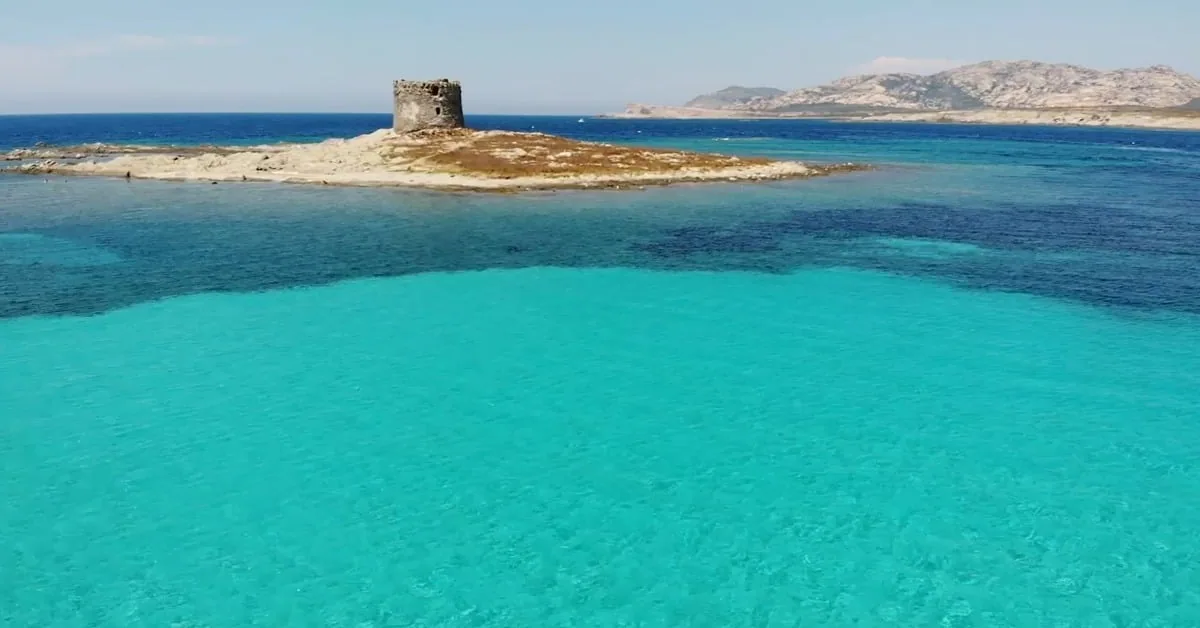
Tucked away near the small town of Stintino on Sardinia's northwestern tip, La Pelosa is the kind of beach that makes you question whether you are still in Europe. The water is an almost impossibly vivid shade of turquoise, so shallow and warm that you can wade dozens of meters from shore without the water rising past your knees.
Fine white sand cushions every step, and an ancient Aragonese watchtower rises from a tiny islet offshore, lending an air of timeless romance to the scene. Families with young children adore this beach for its gentle, natural wading pool, while photographers return again and again for its painterly light.
Cala Goloritzé: A Natural Masterpiece
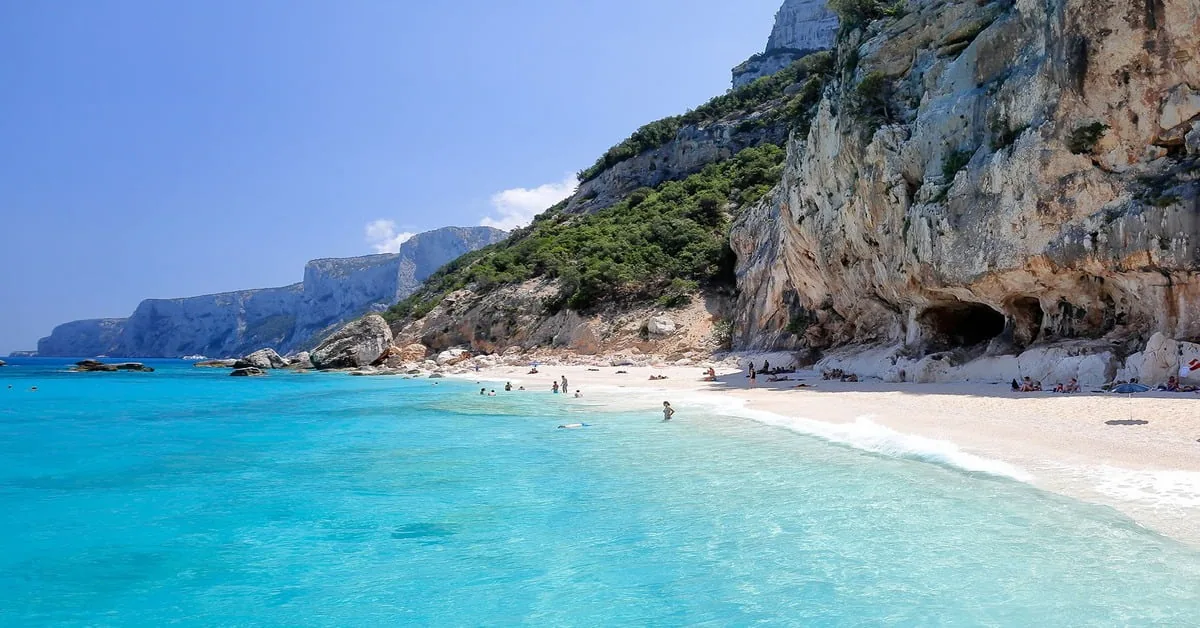
Reaching Cala Goloritzé requires effort -- a rewarding hike through the rugged Supramonte highlands or a scenic boat ride along the eastern coast -- but the payoff is extraordinary. A slender limestone spire called the Aguglia rises dramatically from the shore, and the water below is so clear it seems to glow from within.
Rock climbers come for the Aguglia's challenging ascent, hikers come for the panoramic trail through wild Mediterranean scrubland, and everyone comes for the sheer, jaw-dropping beauty of this UNESCO-protected natural monument. Bring your snorkel -- the underwater visibility here is among the best in the Mediterranean.
Beaches for Water Sports Enthusiasts
Porto Pollo: The Windsurfer's Dream
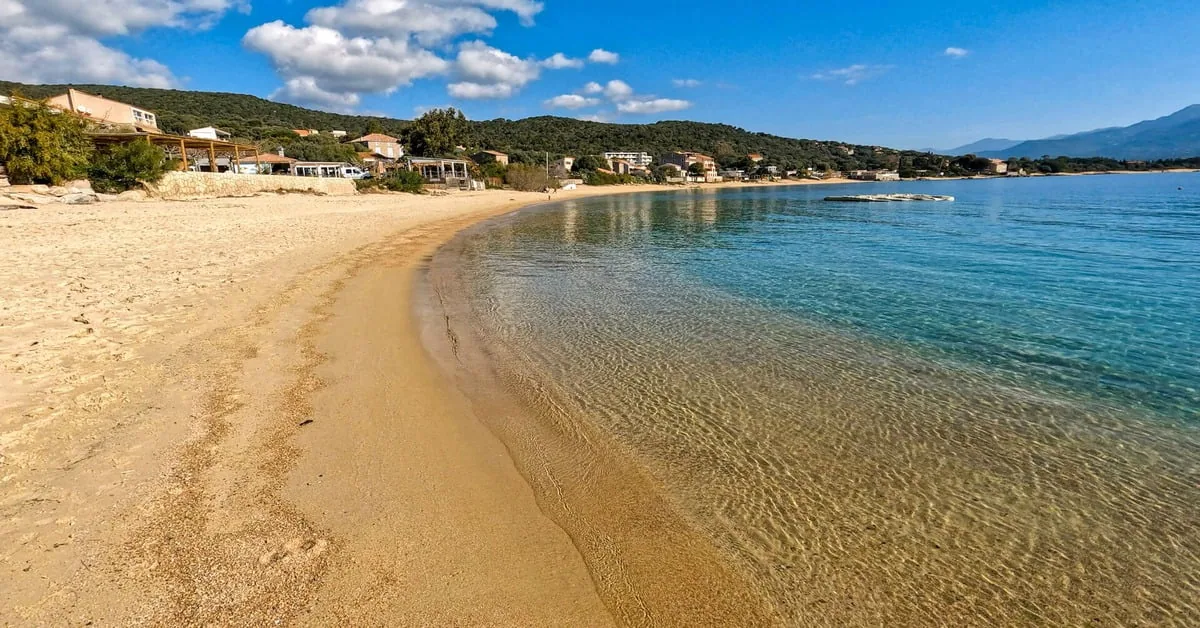
Porto Pollo's bay funnels the prevailing winds into a steady, reliable flow that has earned it a reputation as one of the Mediterranean's premier windsurfing and kitesurfing destinations. Beginners and experts alike find ideal conditions here, with local schools offering lessons and gear rental right on the sand.
When the wind dies down, the laid-back beach bar culture takes over. Grab a cold Ichnusa beer, sink into a low chair, and watch the kites dance against the sapphire sky. The community of water sports enthusiasts who gather here creates an infectious, welcoming energy.
Chia Beach: A Surfer's Paradise
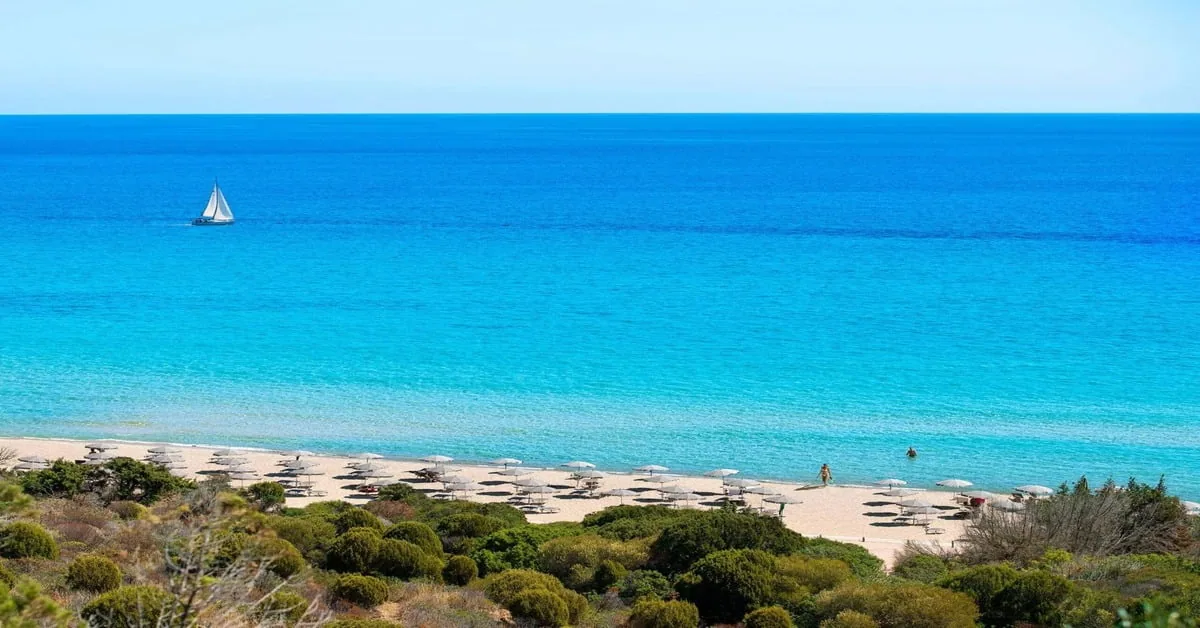
Chia Beach, on Sardinia's southern coast, delivers consistent waves that attract surfers of all levels. The water is remarkably clear, so even on a big wave day you can see straight through the curling face of the swell to the sandy bottom below. See Surfline for current guidance.
What sets Chia apart is its wild, untouched backdrop. Ancient juniper trees twist along the dunes behind the beach, and just inland, a series of lagoons attract flocks of pink flamingos. Watching these elegant birds from your beach towel, with the sound of surf in your ears, is a quintessentially Sardinian experience.
Family-Friendly Beaches
Poetto Beach: The Local's Favorite
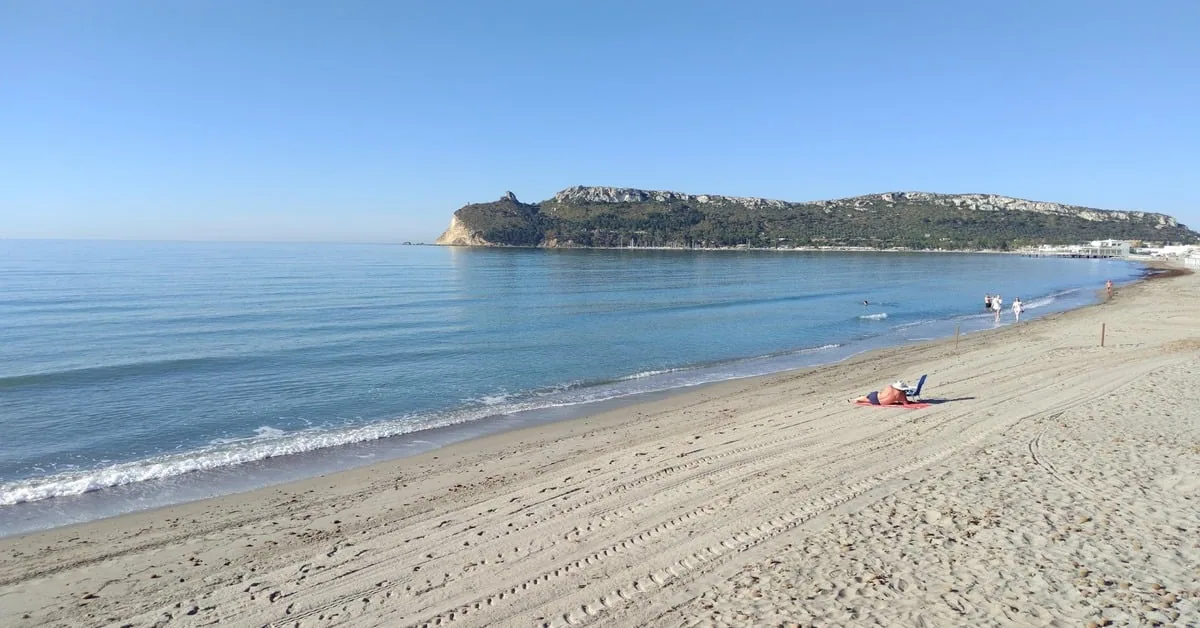
Stretching over eight kilometers along the coast near Cagliari, Poetto is where Sardinians themselves go to spend a day at the beach. The sheer length of this sandy shore means you never feel crowded, even on the busiest summer weekends.
Restaurants, gelaterias, and bars line the promenade behind the sand, and playgrounds keep children entertained when they tire of the water. An early morning jog along the packed sand, with Cagliari's skyline glowing in the dawn light, is one of the island's simple pleasures.
Tuerredda: A Kid's Playground
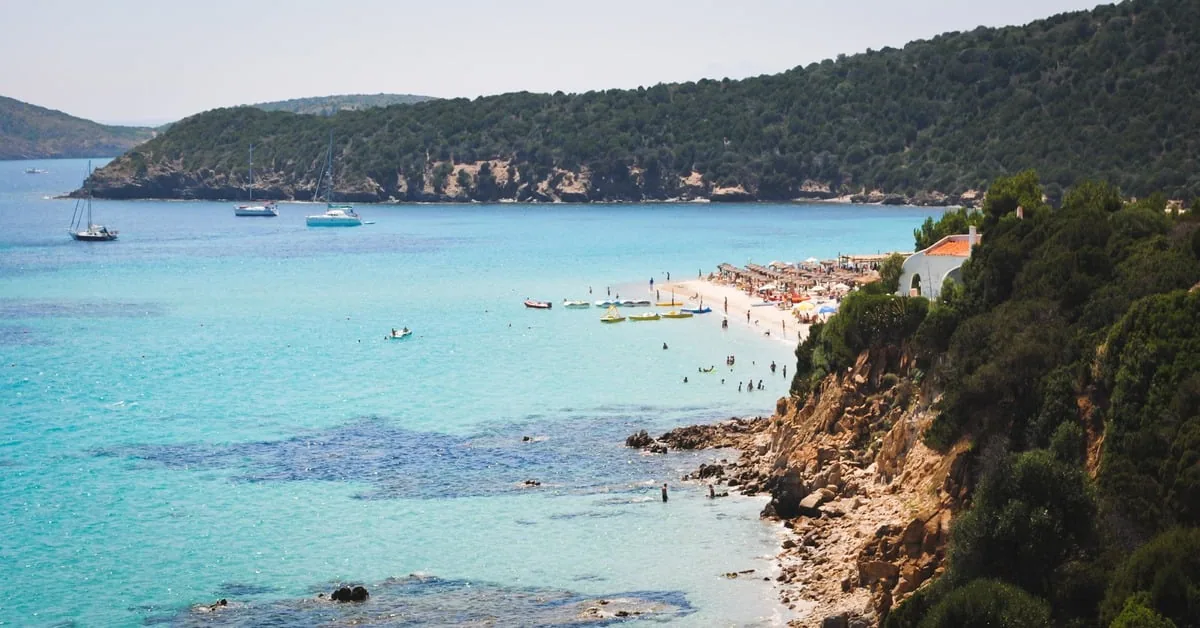
Tuerredda's sheltered bay creates a natural swimming pool of calm, crystalline water that barely reaches an adult's waist even well offshore. Young children can splash and play in complete safety while parents relax on the fine white sand.
Pedal boats are available for family adventures on the water, and the snorkeling is surprisingly rewarding -- the clear conditions reveal sea urchins, small fish, and swaying seagrass meadows that fascinate curious young minds. This is the kind of beach where families lose track of time entirely.
Sardinia's Best-Kept Secrets: Secluded Beaches
Cala Mariolu: An Isolated Treasure
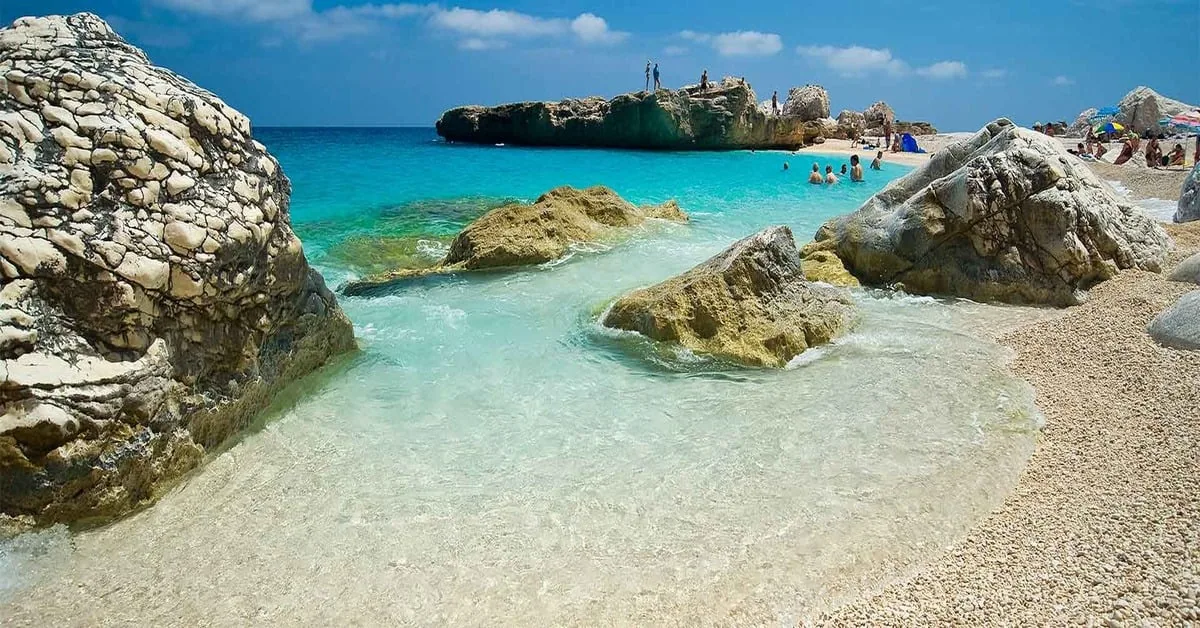
Accessible only by boat, Cala Mariolu rewards the journey with a beach unlike any other. The shore is composed of smooth, rounded pebbles in shades of pink and white, creating a luminous mosaic that glows beneath the transparent water.
The boat ride along the Gulf of Orosei is an experience in itself, with sheer limestone cliffs plunging into water so blue it seems to have been mixed from pure pigment. Once ashore, the sense of seclusion is absolute. This is a place for quiet contemplation, for floating on your back and watching the clouds drift over the cliffs above.
Cala Luna: Moonlit Serenity
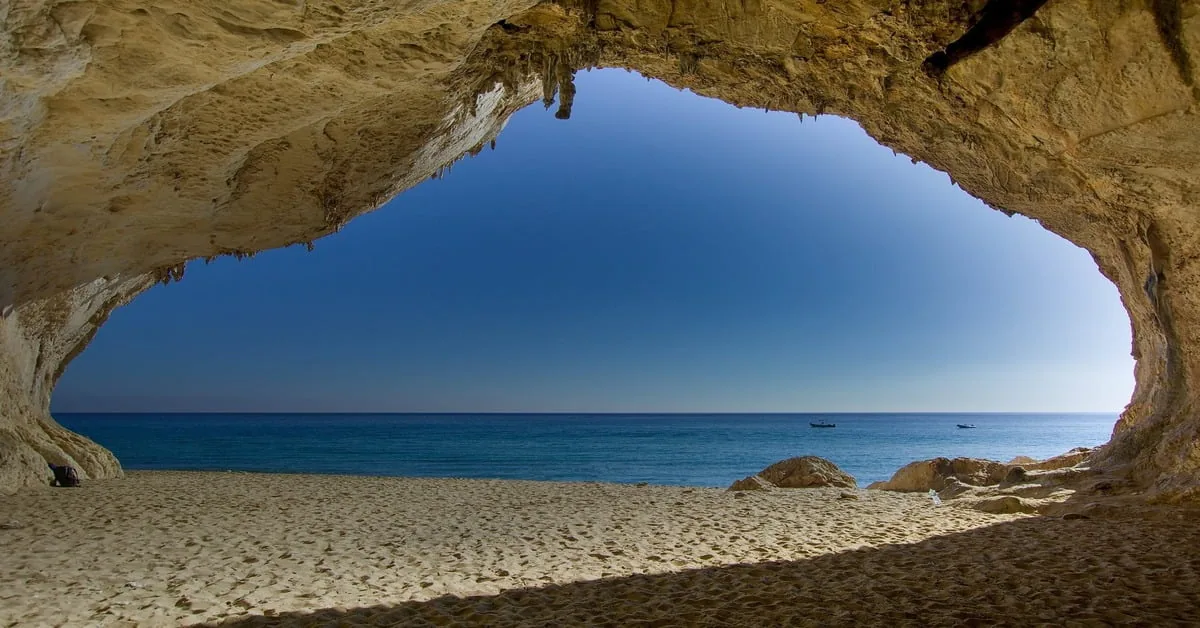
Named for the crescent shape of its shoreline, Cala Luna is a place of almost mystical beauty. As the sun sets, the beach transforms into a stage for one of Sardinia's most romantic experiences -- a moonlit walk along the water's edge, with no sound but the murmur of gentle waves.
By day, sea caves carved into the surrounding cliffs invite exploration. These cool, shadowy grottoes offer a welcome escape from the midday sun and reveal the patient artistry of millennia of wave action. Bring a headlamp and a sense of wonder.
Planning Your Sardinia Beach Trip
- Best time to visit: Late May through June and September through October offer warm weather, swimmable seas, and far fewer crowds than the peak months of July and August.
- Facilities: Popular beaches like Poetto and La Pelosa have restaurants, showers, and sunbed rentals. Secluded beaches like Cala Goloritzé and Cala Mariolu have no facilities -- pack water, snacks, and sun protection.
- Accommodation: Options range from luxury beachfront resorts to family-run B&Bs and rustic campgrounds. Book early for summer visits, as the best spots fill up quickly.
- Getting around: A rental car is essential for exploring Sardinia's beaches, as many of the best are off the main roads.
Discover Sardinia's Shores
Sardinia's coastline is a masterwork of nature -- a place where every beach tells a different story. Whether you are riding the wind at Porto Pollo, watching flamingos at Chia, building sandcastles with your children at Tuerredda, or drifting in the crystalline waters of Cala Mariolu, you are experiencing one of the Mediterranean's great treasures.
This is an island where the beach is not just a destination but a way of life, where the rhythm of the waves sets the pace of your day, and where the warm Sardinian sun has a way of melting every care. The only question is which beach to visit first.
Frequently Asked Questions
What are the best beaches in Sardinia?
La Pelosa near Stintino has shallow turquoise water perfect for families. Cala Goloritzé on the east coast is a dramatic natural monument reachable by hike or boat. Cala Mariolu and Cala Luna in the Gulf of Orosei are secluded coves accessible only by boat. Poetto Beach near Cagliari is the local favorite with full facilities.
How do I get to Sardinia?
Fly into Cagliari (south), Olbia (northeast near Costa Smeralda), or Alghero (northwest near La Pelosa). Budget airlines like Ryanair and easyJet fly from major European cities for €20-60 one way. Ferries from mainland Italy (Civitavecchia, Genoa, Livorno) take 5-10 hours and cost €30-80 per person, plus €40-100 for a car.
When is the best time to visit Sardinia beaches?
June and September offer warm water (72-77°F), sunshine, and prices 25-35% below peak. July and August have the warmest water (up to 80°F) but beaches are packed and prices are highest, especially around August 15 (Ferragosto). May and October are pleasant but water can feel cool for swimming.
Do you need a car in Sardinia?
Yes. Public transport to beaches is limited and infrequent. A rental car costs €25-50/day and is essential for reaching the best beaches, particularly along the Gulf of Orosei, the Costa Smeralda, and the northwestern coast near La Pelosa. Many beaches require driving down unpaved roads.
Is Sardinia expensive?
The Costa Smeralda in the northeast is one of Europe's most expensive beach destinations. But the rest of Sardinia is reasonable -- budget travelers can manage €60-100/day outside peak season. The south coast and interior are significantly cheaper. Restaurants in smaller towns charge €10-15 for a seafood pasta that costs €25-30 on the Costa Smeralda.
Is Sardinia good for snorkeling?
Excellent. The water clarity around Sardinia is among the best in the Mediterranean, with visibility of 20-30 meters on calm days. Top snorkeling spots include Cala Mariolu, Cala Goloritzé, La Pelosa, and the Maddalena Archipelago. No wetsuit needed from June through September when water temperatures reach 72-80°F.