How to Deal with Sand Flies and No-See-Ums at the Beach
Table of Contents
Prices in this guide are approximate and change often. Check with the hotel, airline or operator before you book.
What Are Sand Flies and No-See-Ums
Sand flies and no-see-ums are different insects that get lumped together because they share two characteristics: they're tiny enough to be nearly invisible, and their bites are disproportionately painful and itchy relative to their size. Understanding which one you're dealing with helps you choose the right prevention and treatment approach.
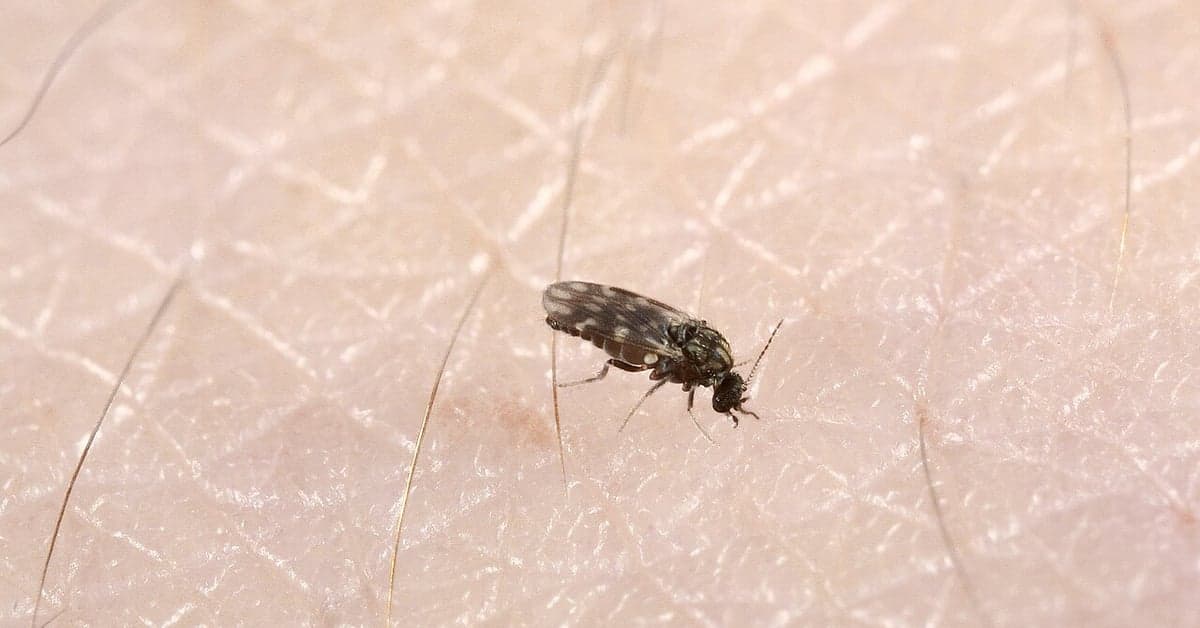
No-see-ums (Ceratopogonidae family, also called biting midges, sandflies in some regions, or punkies) are found worldwide in warm coastal areas. They're 1-3mm long — small enough to pass through standard window screens. They bite to feed on blood, leaving red, intensely itchy welts that can last 1-2 weeks. They're most active at dawn and dusk and are attracted to carbon dioxide, body heat, and dark clothing.
True sand flies (Phlebotominae subfamily) are slightly larger (2-5mm), found primarily in tropical and subtropical regions, and can transmit diseases including leishmaniasis in parts of Central and South America, the Mediterranean, the Middle East, and South Asia. Sand fly bites also cause itchy welts, but the disease transmission risk makes them a more serious concern than no-see-ums. Both insects are weak fliers — even a moderate breeze (5-10 mph) grounds them, which is why windy beaches tend to be bite-free.
Where You'll Encounter Them
High-Risk Beach Destinations
No-see-ums are common at beaches throughout the Caribbean, Central America, the US Gulf Coast, Southeast Asia, and Australia. Particularly notorious spots include the Bay Islands of Honduras (Roatan, Utila), Belize's cayes, the outer islands of Thailand, parts of Costa Rica's Caribbean coast, and mangrove-adjacent beaches throughout the tropics. In the US, the Gulf Coast from Texas through Florida is no-see-um territory, particularly from May through October.
True sand flies (the disease-carrying variety) are a concern at beaches in coastal Brazil, Colombia, Ecuador, parts of Mexico's Pacific coast, Mediterranean beaches in southern Italy, Greece, and Turkey, and coastal areas of India, Sri Lanka, and Bangladesh. The disease risk is low for most tourists but real enough to warrant prevention.
Conditions That Bring Them Out
Both sand flies and no-see-ums thrive in specific conditions. They're most active during dawn and dusk (the first and last hours of daylight). They breed in wet sand, decaying organic matter, and mangrove mud. They're worse after rain, when standing water and damp sand create ideal breeding conditions. They can't fly in winds above 5-10 mph, which is why open, breezy beaches are often bite-free while sheltered coves with mangroves nearby are hotspots.
High tide reduces sand fly activity on the beach itself (less exposed wet sand for breeding), while low tide and the hours just after low tide tend to be worse. Full moon periods can increase activity for some species. Coastal areas with mangrove forests, lagoons, or swampy backshore zones are consistently worse than open sandy beaches with good drainage.
Prevention: What Actually Works
DEET-Based Repellents
DEET (N,N-Diethyl-meta-toluamide) remains the gold standard insect repellent for sand flies and no-see-ums. Products with 25-30% DEET concentration provide 4-6 hours of protection. Higher concentrations (up to 100%) last longer but don't repel more effectively — they just extend the duration. Apply to all exposed skin, including ankles, feet, and behind the ears, which are favorite biting zones.
DEET can damage some synthetic fabrics and plastics (watch your sunglasses), and it degrades some sunscreen formulations. Apply sunscreen first, let it absorb for 15-20 minutes, then apply DEET-based repellent on top. Reapply repellent more frequently than sunscreen, especially if you've been swimming — DEET washes off in water.
Picaridin as an Alternative
Picaridin (also marketed as icaridin) is a synthetic repellent that's as effective as DEET against no-see-ums without the plastic-damaging properties or the chemical smell. Products with 20% picaridin (Sawyer and Natrapel are common brands) provide comparable protection to 25-30% DEET. Picaridin is the better choice if you're wearing synthetic athletic clothing, using plastic gear, or prefer a less aggressive-smelling repellent. It's also gentler on sensitive skin.
Permethrin-Treated Clothing
Permethrin is a synthetic insecticide applied to clothing, bed nets, and gear that kills insects on contact. Treating your beach clothing (light long pants, long-sleeve shirts) with permethrin before your trip provides a physical barrier that kills sand flies and no-see-ums before they bite. Sawyer Permethrin spray is the most widely available treatment — one application lasts through 6 washes. Permethrin-treated clothing combined with DEET or picaridin on exposed skin provides the most effective double-layer protection available.
Important: Permethrin is toxic to cats. If you have cats at home, treat clothing outside and let it dry completely before bringing it indoors. Once dry, it's safe for human contact but remains lethal to cats if they lick or chew treated fabric.
Natural and Alternative Repellents
Coconut oil mixed with essential oils (citronella, lemongrass, eucalyptus) provides some repellent effect but is significantly less effective than DEET or picaridin in scientific testing. Oil of lemon eucalyptus (OLE, different from lemon eucalyptus essential oil) is the one natural ingredient the CDC recognizes as comparably effective to low-concentration DEET, with products like Repel Lemon Eucalyptus providing 4-6 hours of protection against mosquitoes. Its effectiveness against sand flies specifically is less well-documented but anecdotally positive.
Avon Skin So Soft bath oil has a cult following as a no-see-um repellent, particularly in the Caribbean and coastal Scotland. Independent testing shows modest repellent effect — better than nothing, worse than DEET. It's best used as a supplementary layer rather than primary protection in heavy no-see-um areas.
Treating Bites
Immediate Treatment
Wash the bite area with soap and water. Apply a cold compress or ice wrapped in a cloth for 10-15 minutes to reduce swelling and numb the itch. Apply a topical anti-itch cream — hydrocortisone (1%) or a antihistamine cream (Benadryl cream) provides the fastest relief. For intense itching, an oral antihistamine (cetirizine, loratadine) taken at bedtime can reduce overnight scratching that worsens inflammation.
Managing Severe Reactions
Some people develop severe reactions to sand fly and no-see-um bites: large welts (2-3 cm in diameter), blistering, swelling of the bitten limb, or secondary infection from scratching. If bites swell significantly, blister, or show signs of infection (increasing redness, warmth, pus, or red streaks radiating from the bite), see a doctor. Infected sand fly bites can require oral antibiotics.
For travelers with known severe insect bite reactions, discuss a pre-trip prescription for a stronger topical steroid (clobetasol, betamethasone) with your doctor. These prescription-strength creams reduce inflammation far more effectively than over-the-counter hydrocortisone. Carrying a short course of oral prednisone for severe reactions is also worth discussing with your physician before traveling to high-risk areas.
The Heat Trick
A heated tool (like the Bite Away device or a spoon heated in hot water) applied to the bite for 3-5 seconds can reduce itching significantly. The theory is that concentrated heat denatures the proteins in the insect's saliva that cause the allergic reaction. The Bite Away is a battery-powered device that heats a ceramic tip to 51°C — hot enough to denature proteins but not hot enough to burn skin. It costs about $25 and is small enough to carry in a beach bag. Multiple users swear by it, and limited clinical evidence supports its effectiveness. For more beach safety advice, visit our beach destination guides.
Choosing Bite-Free Beaches
Beach Characteristics That Reduce Bites
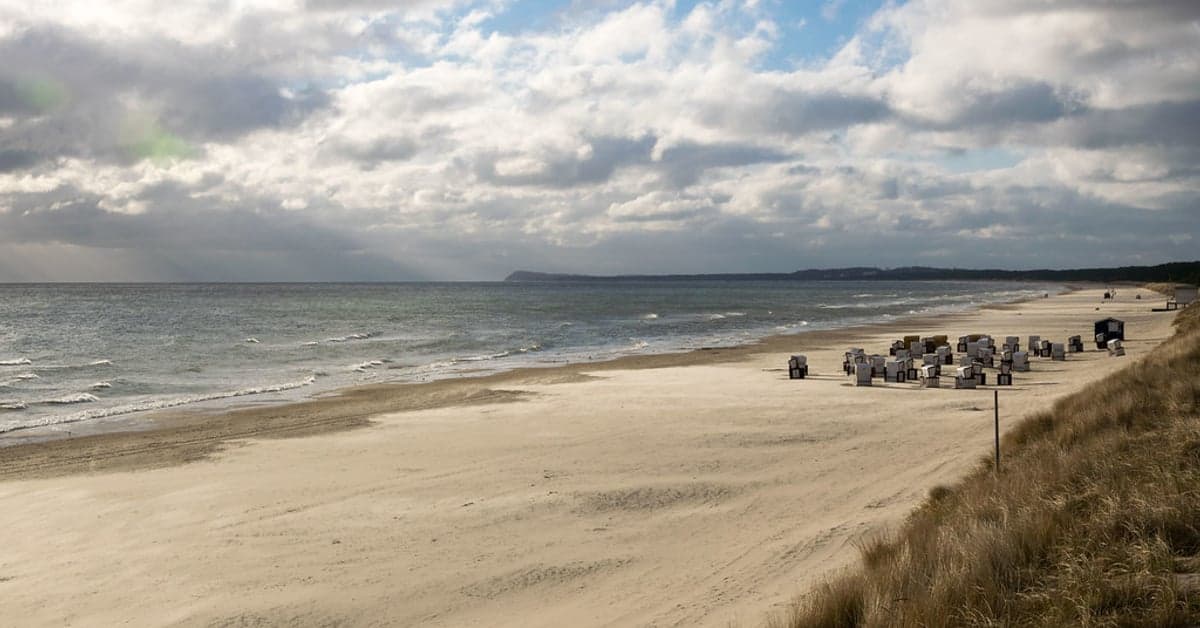
Open, windy beaches with no mangroves or vegetation directly behind the sand are least likely to have sand fly problems. Beaches on the windward side of islands catch more breeze and have fewer biting insects. Beaches with good drainage (steep sand that doesn't hold standing water) breed fewer sand flies than flat, marshy shorelines. Elevation helps too — beaches at the base of cliffs or on elevated coastline tend to be less affected than low-lying coastal areas.
If you're visiting a destination known for sand flies, ask your accommodation which nearby beaches have the least bite activity. Locals know which beaches are comfortable at sunset and which require a full hazmat suit. This local knowledge is more valuable than any repellent recommendation. The CDC Travelers' Health portal provides destination-specific insect-borne disease information and prevention recommendations.
Frequently Asked Questions
What is the best repellent for sand flies?
DEET at 25-30% concentration is the most effective repellent for sand flies, providing 4-6 hours of protection. Picaridin at 20% concentration is equally effective without the chemical smell or plastic-damaging properties. For maximum protection, combine either repellent on exposed skin with permethrin-treated clothing.
When are sand flies most active?
Sand flies and no-see-ums are most active during dawn and dusk — the first and last hours of daylight. They're also worse after rain, during low tide, and in calm conditions with no wind. Winds above 5-10 mph ground them, making breezy beaches essentially bite-free.
Can sand fly bites make you sick?
True sand flies (Phlebotominae) can transmit leishmaniasis in parts of Central and South America, the Mediterranean, the Middle East, and South Asia. No-see-ums (biting midges) don't transmit diseases in most regions but their bites can cause severe allergic reactions and secondary infections from scratching. See a doctor if bites blister, swell significantly, or show signs of infection.
How long do sand fly bites itch?
No-see-um and sand fly bites typically itch intensely for 3-7 days and can remain visible as red welts for 1-2 weeks. Some people develop delayed reactions where itching worsens 24-48 hours after the bite. Topical hydrocortisone, oral antihistamines, and the heat treatment method can reduce itching duration.
Does Skin So Soft really work against no-see-ums?
Avon Skin So Soft has a strong reputation as a no-see-um repellent, particularly in the Caribbean. Independent testing shows modest repellent effect — better than no protection, but significantly less effective than DEET or picaridin. It works best as a supplementary layer alongside a proper repellent, not as a standalone solution in heavy no-see-um areas.
Which beaches have the fewest sand flies?
Open, windy beaches with no adjacent mangroves or swampy vegetation have the fewest sand flies. Windward-facing beaches catch more breeze, which grounds these weak-flying insects. Beaches with steep, well-drained sand breed fewer insects than flat, marshy shorelines. Ask locals which beaches are comfortable at sunset, as they'll know which spots are problematic.
What is the Bite Away device and does it work?
Bite Away is a battery-powered device that applies concentrated heat (51°C) to insect bites for 3-5 seconds. The heat denatures proteins in insect saliva that cause itching. It costs about $25 and is small enough for a beach bag. Clinical evidence is limited but positive, and many travelers report significant itch reduction. It works best when applied immediately after a bite.