Digital Nomad Beach Guide: Best Coastal Cities to Work From
Table of Contents
Prices in this guide are approximate and change often. Check with the hotel, airline or operator before you book.
What Digital Nomads Actually Need From a Beach Town
Working remotely from a beach sounds idyllic until you realize that sand in your laptop keyboard, glare on your screen, and WiFi that drops every 20 minutes will destroy your productivity. The best digital nomad beach destinations balance reliable infrastructure with coastal lifestyle — meaning fast internet, affordable coworking spaces, time-zone compatibility with your clients, and a beach close enough to visit after your last call of the day.
This guide evaluates destinations on five practical criteria: internet speed (minimum 50 Mbps download), coworking availability, cost of living, visa options for remote workers, and the quality of the beach itself. A town with blazing WiFi but a terrible beach did not make the list, and neither did a gorgeous beach with 10 Mbps internet.
Canggu, Bali, Indonesia
Canggu is the default answer for a reason. The town has over 30 coworking spaces, average internet speeds of 50-100 Mbps at dedicated spaces, a cost of living around $1,200-1,800/month for a comfortable lifestyle, and a surf beach at the end of the road. Dojo Bali was the original coworking space and still charges $200/month for unlimited access. The newer Outpost Canggu ($250/month) has better air conditioning and a pool.
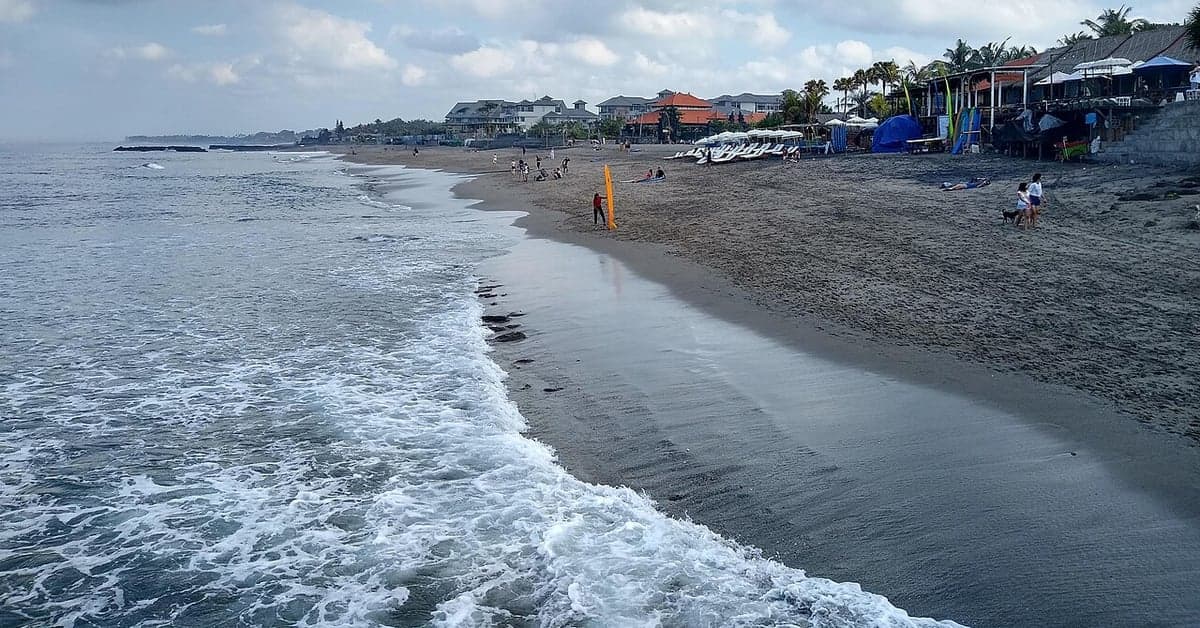
The beach at Canggu (Batu Bolong and Echo Beach) is a dark sand surf beach — not the white sand postcard image, but the waves are consistent and the sunset from Old Man's bar with a 40,000 IDR ($2.50) Bintang is a legitimate daily highlight. Indonesia's remote worker visa (E33G) allows a one-year stay for people earning at least $60,000 a year from employers outside Indonesia. The main downsides are traffic congestion (especially on Jalan Pantai Berawa) and the increasingly touristy atmosphere that has driven some long-term nomads to Lombok or Uluwatu.
Lisbon and Ericeira, Portugal
Portugal's Digital Nomad Visa (D8) requires proof of income of at least four times the Portuguese minimum wage (roughly €3,500-3,700 a month). In return, you get legal residency in an EU country with excellent infrastructure. Lisbon itself is not a beach town, but the train to Cascais (beach town, 40 minutes) runs every 20 minutes for $3. For a dedicated beach-and-work lifestyle, Ericeira — a fishing village turned World Surfing Reserve 45 minutes north of Lisbon — has the surf, the cafes, and enough coworking options (Selina Ericeira, $150/month) to be productive.
Internet speeds in Portugal average 100+ Mbps on fiber connections. Expect to pay $800-1,200/month for a studio apartment in Ericeira and $1,000-1,600 in Lisbon. Ericeira's beaches include Ribeira d'Ilhas (competitive surf spot), Praia dos Pescadores (the town beach), and Foz do Lizandro (beginner-friendly waves). The main challenge is cold Atlantic water — a wetsuit is necessary year-round, with temperatures ranging from 57°F in winter to 68°F in summer.
Taghazout, Morocco
Taghazout is an emerging digital nomad destination on Morocco's Atlantic coast, about 20 minutes north of Agadir. The surf village has attracted a small but growing remote work community drawn by cheap living costs ($600-900/month), consistent waves, and sunny weather. SunDesk Coworking ($100/month) overlooks the ocean and has 50+ Mbps WiFi. The Surf Maroc compound offers coworking alongside surf coaching packages.
Morocco does not have a specific digital nomad visa. Most Western visitors get 90 days visa-free, and remote work for a foreign employer during that stay is generally tolerated, though not formally authorized. The beaches — Taghazout Bay, Anchor Point, Killer Point — are world-class surf spots, though swimming can be challenging due to currents and rocks. The nearest sandy swimming beach is at Agadir. Food is extremely affordable — a tagine lunch at a local restaurant costs $3-5, and fresh fish from the market runs $2-4 per portion.
Las Palmas de Gran Canaria, Spain
Las Palmas is the most reliable year-round digital nomad beach destination in Europe. The Canary Islands sit off the coast of West Africa, giving them subtropical weather with temperatures between 65-82°F throughout the year. Las Palmas de Gran Canaria has fast fiber internet (100+ Mbps standard), a strong coworking scene (The House, $120/month; Restation, $150/month), and Playa de las Canteras — a 2-mile urban beach with a natural reef that creates a protected swimming lagoon.
As part of Spain, Las Palmas operates in the CET time zone (UTC+1), making it compatible with European and East Coast US clients. The Spain Digital Nomad Visa requires income of at least twice Spain's minimum wage, roughly €2,800 a month (about €33,000 a year). Rent for a studio apartment near the beach runs $700-1,100/month. The nomad community is well-established, with regular meetups, surf sessions, and networking events. Search for apartments and hotels in Las Palmas on our hotels page.
Florianopolis, Brazil
"Floripa" is Brazil's tech capital and a beach city with 42 beaches spread across an island connected to the mainland by bridges. The startup ecosystem means excellent internet infrastructure (fiber widely available at 100+ Mbps), multiple coworking spaces (Village Coworking, $80/month; Vilaj, $90/month), and a tech-savvy local community. Praia Mole and Praia da Joaquina on the east coast are the main surf beaches, while Jurere Internacional on the north coast has calmer water and a party scene.
Brazil's Digital Nomad Visa requires proof of $1,500/month income and grants a 1-year stay. Cost of living in Floripa runs $1,000-1,500/month for a comfortable lifestyle. The main challenge is the Portuguese language — English is not widely spoken outside tourist areas. Summer (December-March) brings warm water and beach weather, while winter (June-August) can dip to 60°F with occasional rain.
Da Nang, Vietnam
Da Nang combines a long urban beach (My Khe Beach) with a low cost of living even by Vietnamese standards. Coworking spaces like Enouvo ($60/month) and Worko ($50/month) offer reliable 50-80 Mbps WiFi in modern facilities. Studio apartments with ocean views rent for $300-500/month. A street food lunch costs $1.50-3, and a restaurant dinner runs $5-10.
Vietnam's e-visa allows stays of up to 90 days ($25 single entry, $50 multiple entry). The beach at Da Nang stretches for 20+ miles of wide, sandy shoreline with warm water from May through September. The city also serves as a base for day trips to Hoi An (30 minutes south, a UNESCO World Heritage town) and the Hai Van Pass (one of Southeast Asia's most scenic coastal drives). The main limitation is internet reliability during typhoon season (September-November), when storms can knock out connectivity for hours.
Playa del Carmen, Mexico
Mexico's Riviera Maya has become the default digital nomad destination for Americans due to proximity, time zone alignment (Quintana Roo keeps Eastern Standard Time all year), no visa hassles (a tourist permit on arrival, granted for up to 180 days at the officer's discretion), and Caribbean beaches. Playa del Carmen has more coworking options than Tulum — Nest Coworking ($120/month) and Bunker Coworking ($100/month) both have reliable 100+ Mbps connections. The beach on Fifth Avenue is fine for a quick swim, though the better beaches are at Playacar to the south or at nearby Akumal (30 minutes by car).
Cost of living has risen significantly — budget $1,500-2,500/month for a comfortable lifestyle including a furnished apartment. The main advantage over Tulum is infrastructure: Playa del Carmen has a Walmart, real pharmacies, reliable electricity, and city water, all of which Tulum lacks. The ferry to Cozumel ($12 round trip, 45 minutes) provides access to some of the best reef snorkeling in the Caribbean on your days off.
Split, Croatia
Split works as a summer base (May-September) for European-time-zone nomads who want Adriatic beach access alongside urban amenities. Croatia's digital nomad permit lets remote workers stay for a year or longer, but the income bar is high and rises each year with Croatian wages (it was over €3,000 a month in 2025). Coworking spaces include Cowork Split ($120/month) with fast fiber internet. The beach at Bacvice is a 5-minute walk from the old town and coworking, making it practical to swim during a lunch break.
Rent for a studio apartment in Split runs $600-1,000/month. Dining out is affordable by European standards — a meal at a konoba costs $10-15. The ferry terminal connects Split to islands like Brac and Hvar for weekend beach excursions. The main downside is seasonality — by November, many restaurants and bars close, the ferry schedule thins out, and the city quiets down considerably. For more on Croatian beaches, read TripAdvisor's Split beach guide.
Choosing Your Base: Key Considerations
Time zone matters more than most nomads initially realize. If your team is in New York and you are in Bali, your working hours are midnight to 8 AM local time. That gets old fast. Match your destination to your clients: the Americas work best from Mexico or Brazil, European clients are covered from Portugal, Morocco, or Croatia, and Asia-Pacific work aligns with Bali, Da Nang, or Thailand.
Test before committing. Spend 2-3 weeks in a destination before signing a long-term apartment lease. Use Speedtest.net to verify internet speeds at your accommodation and backup coworking space. Check that your VPN works reliably — some countries throttle VPN connections. And always have a mobile hotspot as backup for critical calls and deadlines.
Frequently Asked Questions
What is the cheapest beach destination for digital nomads?
Da Nang, Vietnam offers the lowest cost of living on this list at $700-1,200/month for a comfortable lifestyle including accommodation, food, coworking, and entertainment. Canggu, Bali comes in second at $1,200-1,800/month. Taghazout, Morocco is also very affordable at $600-900/month.
Which countries offer digital nomad visas?
As of 2026, countries with dedicated digital nomad or remote work visas include Portugal (D8 visa), Spain (including Canary Islands), Croatia, Brazil, Indonesia (E33G remote worker visa), and many Caribbean nations. Mexico and Vietnam allow remote work on tourist visas without a specific nomad visa category. Requirements typically include proof of remote income and health insurance.
How fast does internet need to be for remote work?
For video calls and general remote work, 25 Mbps download is the minimum functional speed. For reliable video conferencing with screen sharing, 50+ Mbps is recommended. All destinations in this guide offer 50-100+ Mbps at coworking spaces. Home internet speeds vary — always test before committing to a long-term rental.
Can I work from the beach on my laptop?
Practically, no. Screen glare, sand, heat (laptops overheat quickly in direct sun), and unreliable WiFi make actual beach-based work miserable. The realistic nomad workflow is: work from a coworking space or apartment in the morning, then hit the beach in the afternoon. The beach is your reward for productivity, not your office.
What about taxes as a digital nomad?
Tax obligations depend on your citizenship and residency. US citizens owe US taxes regardless of where they live (with the Foreign Earned Income Exclusion of $126,500 for 2024). Most digital nomad visas do not create local tax residency if you are earning from foreign clients. Consult a tax professional specializing in expat taxation before relocating.
Is the digital nomad lifestyle lonely?
It can be, especially for newcomers. The most established nomad destinations (Canggu, Lisbon, Las Palmas, Playa del Carmen) have large communities with regular social events, which significantly reduces isolation. Coworking spaces are the primary social hub. Many nomads recommend staying at least 1-2 months in each destination to build genuine connections rather than constantly moving.