Best Nude Beaches in Italy: The Honest Guide
Table of Contents
Prices in this guide are approximate and change often. Check with the hotel, airline or operator before you book.
Italy's Naturist Map, In Priority Order
Italy's best nude beaches in 2026, in practical priority order: Capocotta near Rome (the best-known formally designated nude beach), Lido di Dante near Ravenna, Lecciona in Tuscany's Versilia coast, Guvano in the Cinque Terre, Costa Verde and Cala Tinnari in Sardinia, Capalbio's lagoon end, Punta Aderci in Abruzzo, and Le Saline in Calabria. Italy operates a tolerance model rather than a dedicated-resort model — there are no Cap d'Agde-style naturist villages, but a long string of beaches where naturism has held for forty years without legal friction.
This guide covers the beaches that are genuinely naturist by tradition, the regional patterns that explain why some coasts work and others do not, the legal framework that makes the tolerance possible, and how Italy compares to the more developed naturist infrastructures in France, Spain, and Croatia.
Capocotta — Rome's Designated Beach
Capocotta is the practical anchor of Italian naturism and the best-known formally designated nude beach in the country. The beach sits inside the Riserva Naturale Statale del Litorale Romano, the protected coastal reserve south of Ostia, and was officially designated for naturism by the Lazio region in 2000. The designated stretch runs roughly 600 metres in the central section between the Sesto Cancello and Settimo Cancello access points, marked with discreet signs at the dune line.
The sand is wide and pale, the water is the Tyrrhenian (typically 24-26°C in summer), and the dune system behind the beach is one of the few protected coastal-pine landscapes left in Lazio. Two small beach kiosks operate during summer at the boundary with the textile section, serving panini, granitas, and coffee at non-Roman prices. Capocotta is reachable from central Rome by the Roma-Lido train to Cristoforo Colombo and a connecting bus along the Litoranea coastal road; total journey time from Termini is about 90 minutes.
The Adriatic Coast
Lido di Dante (Ravenna)
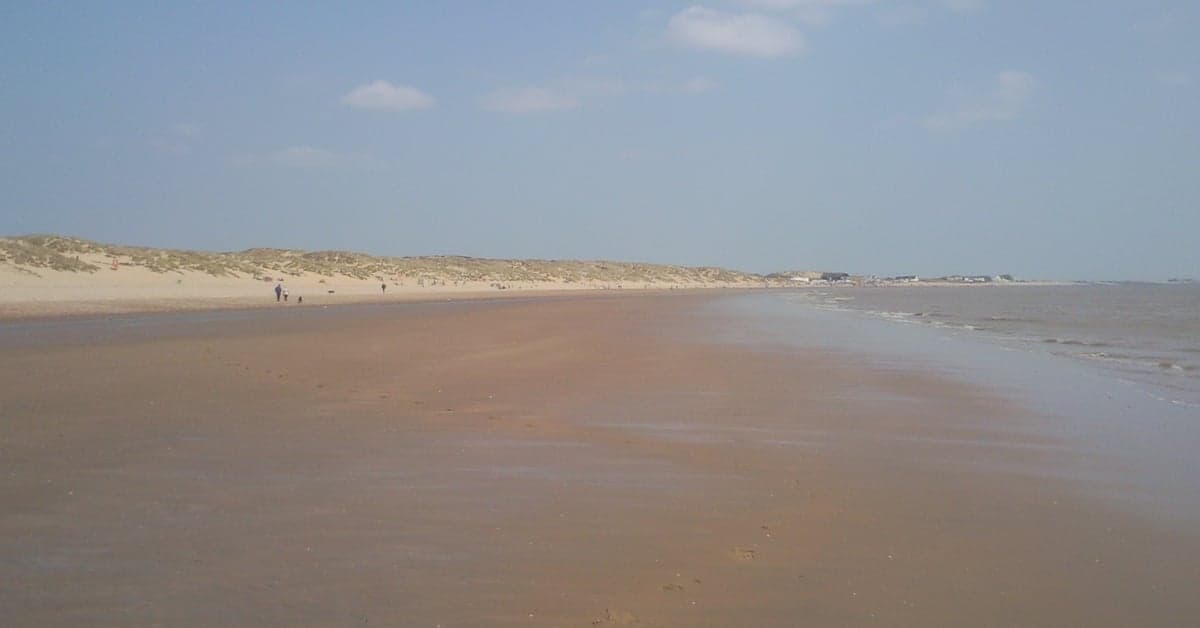
The pine forest and beach just south of Ravenna at Lido di Dante hosts a long-established naturist section at its southern end (the Bassona area), tolerated since the 1970s and managed in cooperation with the local council. The beach is wide, the water shallow for hundreds of metres, and the pine forest immediately behind the dunes provides shade. This is the most accessible naturist beach on the Adriatic side and the easiest day trip from Ravenna, Cervia, or Rimini.
Punta Aderci (Abruzzo)
Punta Aderci is the wildest of the Adriatic naturist beaches — a coastal nature reserve north of Vasto, with pebble-and-sand beaches accessed by a 20-minute walk down from the clifftop. The northern end (Punta Penna direction) is the tolerated naturist section, with low-key infrastructure and a quiet, mostly Italian and German crowd. No facilities — bring water, food, and a sun shelter.
The Tyrrhenian and Tuscan Coast
Lecciona (Versilia)
Lecciona sits between Torre del Lago and Marina di Vecchiano on the Tuscan Versilia coast. The southern half of the beach has been quietly naturist for over thirty years, set inside the Migliarino-San Rossore-Massaciuccoli regional park. The Versilia is otherwise the textile capital of Italian beach holidays — orderly stabilimenti with rows of umbrellas — and Lecciona's wildness stands out. The walk from the parking area through the pine forest is about ten minutes.
Guvano (Cinque Terre)
Guvano is the legendary nude beach below Corniglia in the Cinque Terre. The original access via the abandoned railway tunnel closed for safety reasons years ago and was never reopened. The remaining access is a steep, unmarked descent of about 40 minutes from the Corniglia-Vernazza coastal path. The beach itself — a crescent of dark pebbles below the cliffs — has been naturist by tradition for fifty years. The descent is genuinely difficult and the local rescue service argues against it; this is the most committed of the Italian beach hikes and accordingly the quietest.
Capalbio (Maremma)
The southern end of Capalbio beach, near Lago di Burano in the Maremma nature reserve, has a long-tolerated naturist section. The beach is wide, sandy, and backed by a coastal lagoon; the walk from the parking area is about fifteen minutes through low Mediterranean scrub. The Maremma coast is one of the quietest stretches of mainland Italy in high summer and Capalbio is the most reliable naturist anchor.
The Islands
Sardinia: Costa Verde, Cala Tinnari, Le Saline
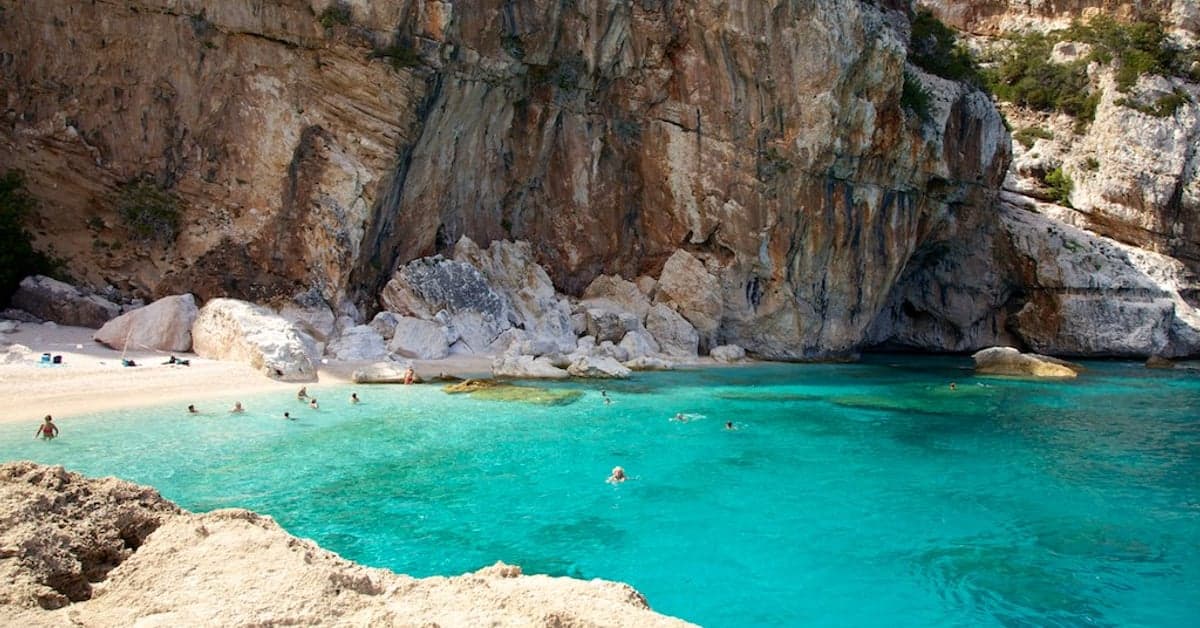
Sardinia has the strongest naturist tradition of any Italian region. The Costa Verde on the south-western coast (Piscinas, Scivu, Cala Cipolla) is a long string of wild beaches backed by dunes, with informal naturist tradition along the entire stretch. Cala Tinnari and the smaller coves near Santa Teresa di Gallura on the north coast are tolerated naturist beaches with a regular returning crowd. Le Saline near Stintino is the textile-fringed naturist option for visitors using the main Alghero or Olbia tourist bases. The water at all of these is Mediterranean-clear and warmer than the Tyrrhenian mainland by 1-2°C in shoulder season.
Sicily: Macarro, Eraclea Minoa
Sicily's naturist beaches are less developed than Sardinia's but include Macarro near Cefalù (north coast), Eraclea Minoa west of Agrigento (south coast), and the southern end of San Lorenzo near Marzamemi. None has formal designation; all have decades of informal tolerance and a mainly local Italian crowd.
The South: Calabria and Puglia
The Riviera dei Cedri in Calabria has a string of small coves between Diamante and Praia a Mare where naturism is tolerated, particularly in the early or late season. Torre Guaceto, a marine-protected area north of Brindisi in Puglia, has a quieter section at the eastern end where naturist day-trippers gather. These are not the visitor-friendly options that Capocotta or Lido di Dante are — they reward independent travel by car and a willingness to ask locally.
The Legal Framework
Italian law does not formally permit public nudity, but the operational reality is a tolerance regime rather than a prohibition regime. Article 527 of the Italian Penal Code (Atti osceni in luogo pubblico) was substantially reformed in 2016 — most cases of beach naturism were reclassified from criminal to administrative offences, with maximum fines around €10,000 in the formal text but practical enforcement at recognized naturist beaches essentially zero. The FENAIT (Federazione Naturista Italiana) has actively lobbied municipalities to formalize tolerance at long-traditional beaches and has succeeded at several (Capocotta the headline case).
Topless sunbathing for women is widely accepted at almost every Italian beach and has been since the 1960s — it is not a naturist question in the Italian context but a normal beach behaviour. Full nudity is the dividing line, and the dividing line is enforced by social geography rather than active policing: visitors stay clothed on textile beaches because everyone else is, and undress on the naturist beaches because that is what those beaches are.
When to Visit
The Tyrrhenian and Adriatic water temperatures hit a comfortable 22°C from mid-June and peak at 26-27°C in late July through August. The Sardinian coasts run a degree or two warmer. May and early June are pleasant for hiking and exploration but the water is still cool (18-20°C) and most beach concessions only open in late May. September is the best month for beach holidays — water still warm, school groups gone, prices dropping in the second half of the month. October becomes too cool for swimming except on the southernmost coasts.
Practical Tips
Use the FENAIT Beach List
The FENAIT website publishes the canonical list of recognized Italian naturist beaches with current access notes. The list is updated annually and is the best single reference for any planning trip.
Book the Tuscan and Sardinian Bases Early
Tuscany's coastal towns (Marina di Vecchiano, Capalbio) and Sardinia's north and west coasts fill from mid-June. Book accommodation in spring for July and August stays. Shoulder season (June first half, September second half) is far easier.
Sardinia by Ferry or Plane
Olbia, Cagliari, and Alghero have direct flights from across Europe through Ryanair, EasyJet, and Volotea. The overnight ferries from Genoa, Livorno, and Civitavecchia to Olbia or Porto Torres take a car and let you reach the wild Costa Verde without rental complications. Ferry reservations are essential in summer.
Italy vs. Other European Options
Italy's naturist culture is real but informal compared to France's village-naturiste infrastructure, Spain's constitutionally protected open-beach policy, and Croatia's dedicated FKK resorts. The trade-off: no Italian beach offers a one-stop resort experience like Cap d'Agde or Koversada, but Italy has many of the wildest naturist beaches in Europe (Guvano, Costa Verde, Punta Aderci) and the best food at the surrounding restaurants. See our Europe-wide nude beach guide for the regional comparison.
Final Thoughts
Italy is a strong second-tier European naturist destination — one rung below France, Spain, and Croatia in formal infrastructure, but holding several of the best wild beaches on the continent and a tolerance culture that has held for half a century. Capocotta is the practical anchor for a Rome-area trip; Sardinia is the best base for a longer dedicated naturist holiday; Lido di Dante is the easy day-trip option from the Romagna coast. Combine any of those with the regional food, the cultural sites within easy reach, and a willingness to walk to the wilder beaches, and Italy delivers an experience that the more organized naturist countries cannot.
This series: The World's Best Nude Beaches
Frequently Asked Questions
What is the only officially designated nude beach in Italy?
Capocotta, inside the Riserva Naturale Statale del Litorale Romano south of Ostia near Rome. The Lazio region formally designated the central 600-metre section in 2000, marked at the Sesto and Settimo Cancello access points. Every other naturist beach in Italy operates on long-standing local tolerance rather than formal designation.
Is public nudity legal on Italian beaches?
Not strictly. Article 527 of the Italian Penal Code (Atti osceni in luogo pubblico) governs public nudity, but the 2016 reform reclassified most beach-naturism cases from criminal to administrative offences. At recognized naturist beaches, practical enforcement is essentially zero. At a random textile beach, full nudity will still draw a fine. Topless sunbathing for women is unremarkable across the country and has been since the 1960s.
What is the best nude beach in Sardinia?
The Costa Verde on the south-western coast is the most consistent option — Piscinas, Scivu, and Cala Cipolla are a long string of dune-backed wild beaches with informal naturist tradition. Cala Tinnari near Santa Teresa di Gallura is the most accessible northern option, and Le Saline near Stintino is the easiest from the Alghero base. Sardinian water runs 1-2°C warmer than the Tyrrhenian mainland.
Can you still reach Guvano beach in the Cinque Terre?
Yes, but only by the steep unmarked path of about 40 minutes from the Corniglia-Vernazza coastal trail. The original tunnel access closed for safety reasons years ago and has not been reopened. The local rescue service argues against the descent; it is genuinely difficult and is the most committed naturist hike in Italy. The reward is one of the quietest beaches on the Ligurian coast.
How does Italy compare to France, Spain, and Croatia for naturism?
Italy is a strong second tier. France has the largest dedicated village-naturiste resorts (Cap d'Agde, Euronat), Spain decriminalized public nudity in 1988, and Croatia has dedicated FKK resorts at Koversada and Valalta. Italy has no equivalent one-stop resort but several of Europe's wildest naturist beaches (Guvano, Costa Verde, Punta Aderci) and a tolerance culture that has held for fifty years.
When is the best time to visit Italy's nude beaches?
Mid-June through mid-September for reliable swimming weather, with water temperatures of 22-27°C on the Tyrrhenian and Adriatic and 1-2°C warmer in Sardinia. Late June and the second half of September are the sweet spot — warm water, no school groups, prices easing. May and early October are pleasant for exploration but cool for swimming. Sardinia and Sicily extend the season into early October.
Where can you stay near Italy's nude beaches?
There are no dedicated naturist resorts in Italy — the country has nothing like Cap d'Agde or Koversada. Visitors stay at conventional Italian hotels, agriturismi, B&Bs, or campgrounds near the naturist beaches. The Versilia coast hotels near Lecciona, the Ravenna and Cervia coastal hotels for Lido di Dante, agriturismi inland of Capalbio, and campgrounds along the Sardinian Costa Verde are the main options. FENAIT lists recommended accommodations near each recognized beach.