Beach Safety Guide: Rip Currents, Sun Protection, and Ocean Hazards
Table of Contents
Rip Currents: The Ocean's Most Misunderstood Danger
Rip currents kill more beachgoers annually than sharks, hurricanes, and lightning combined. In the United States alone, the NOAA estimates around 100 rip current fatalities per year, with many more rescues. The reason the death toll stays high is simple: most people don't know what a rip current looks like, and those who get caught in one do exactly the wrong thing.
How to Spot a Rip Current
A rip current is a narrow channel of water flowing away from shore. From the beach, look for these signs:
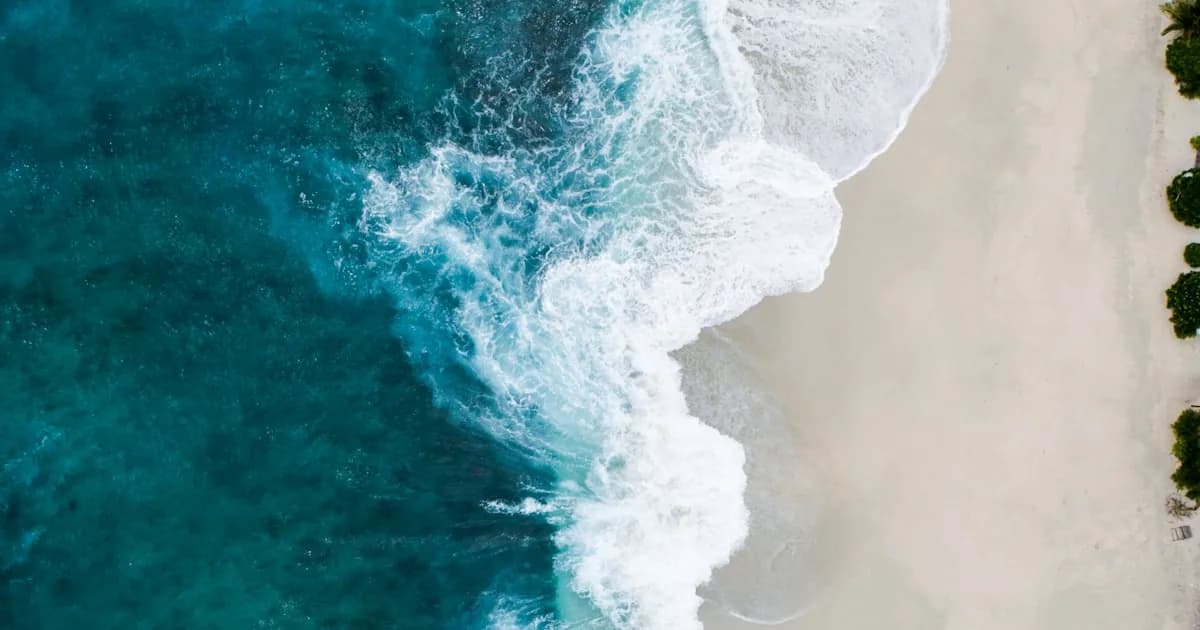
- A gap in the breaking waves — rip currents often flow through breaks in sandbars, so you'll see waves crashing on either side but calmer, flatter water in between
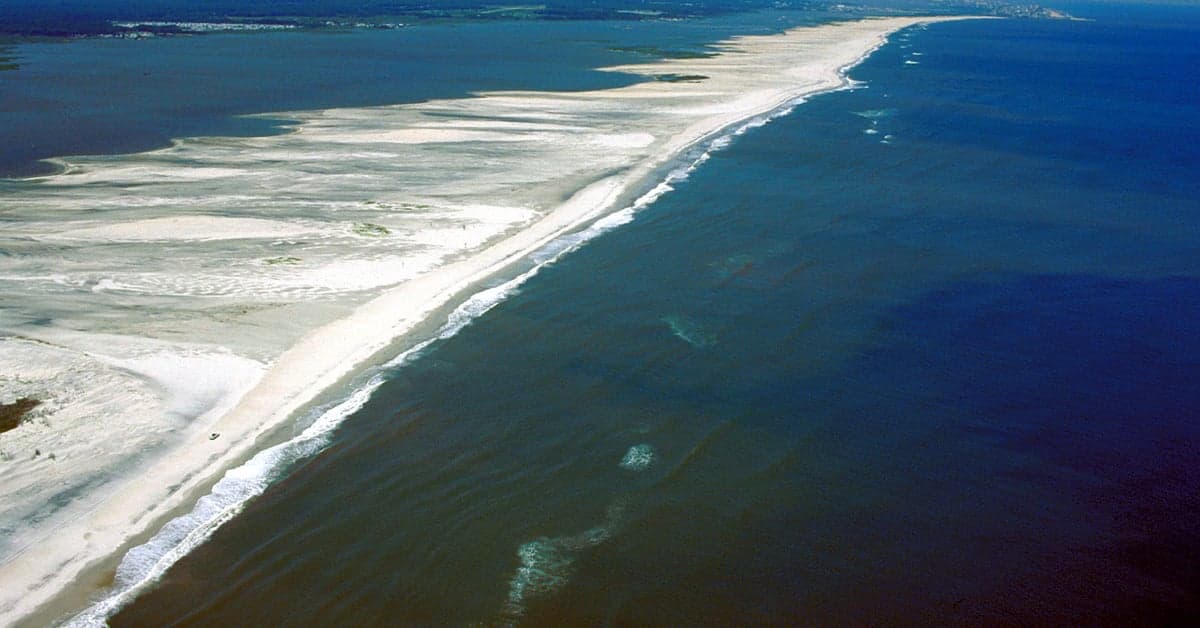
- Discolored water — the current churns up sand and sediment, creating a murky or darker streak heading seaward
- Foam, seaweed, or debris moving steadily away from shore
- A rippled or choppy surface in a localized channel while surrounding water is calmer
Rip currents are typically 10 to 30 meters wide and can extend 100 meters or more offshore. They flow fastest near the surface — speeds of 1 to 2.5 meters per second are common, which is faster than an Olympic swimmer's sustained pace.
How to Escape a Rip Current
The instinct is to swim directly back to shore. Fight that instinct. You cannot outswim a rip current heading straight against it, and trying will exhaust you — which is how drownings happen.
Instead:
- Stay calm. A rip current will not pull you under. It pulls you out, not down.
- Swim parallel to shore. Move sideways until you're out of the current's pull, then swim back to the beach at an angle.
- If you can't swim out of it, float. Let the current carry you offshore — it will dissipate past the breaking zone. Then swim parallel and back in.
- Wave one arm and yell for help if you're struggling. Lifeguards are trained to spot this signal.
Rip currents are strongest at low tide and during incoming swells. River mouths, jetties, and piers create permanent rip current zones. Avoid swimming near these structures.
Sun Protection: What Actually Works
Sunburn is the most common beach injury, and most people's sun protection routine has gaps they don't realize.
SPF Explained
SPF measures protection against UVB rays — the ones that burn. SPF 30 blocks about 97% of UVB radiation. SPF 50 blocks about 98%. SPF 100 blocks about 99%. The difference between SPF 30 and SPF 50 is marginal in practice, but here's the catch: these numbers assume you're applying the correct amount, which almost nobody does.
Dermatologists recommend roughly one ounce (a shot glass full) for your entire body per application. Most people use a quarter to half that amount, which effectively halves the SPF protection. If you're applying SPF 50 thinly, you might be getting SPF 20 protection in reality.
Reapplication Is Non-Negotiable
Sunscreen breaks down in UV light. Reapply every two hours regardless of what the label claims. After swimming or sweating, reapply immediately — "water-resistant" means the product maintains its SPF for 40 or 80 minutes in water, not that it's waterproof. No sunscreen is waterproof. The FDA banned that term from labels years ago.
UPF Clothing
UPF-rated clothing is the most reliable sun protection available. A UPF 50+ rash guard blocks over 98% of UV radiation without reapplication, without sweating off, without missing spots. For long beach days, a good rash guard or sun hoodie does more than any sunscreen. Brands like Patagonia, Coolibar, and Columbia make lightweight options that don't feel like wearing a wetsuit.
Eyes and Lips
Your eyes absorb UV radiation directly, and chronic exposure causes cataracts and macular degeneration. Wear polarized sunglasses that block 100% of UV-A and UV-B rays. Cheap gas station sunglasses often lack proper UV protection — the tinted lenses dilate your pupils without blocking UV, which actually increases exposure.
Lips don't produce melanin and burn easily. Use a lip balm with SPF 30 or higher. Reapply frequently — lips get licked, rubbed, and wiped constantly.
Jellyfish Stings: Prevention and Treatment
Jellyfish stings range from mildly annoying to genuinely life-threatening, depending on the species and your location.
Dangerous Species by Region
Australia and Southeast Asia: The box jellyfish (Chironex fleckeri) is the most venomous marine animal on Earth. Found in northern Australian waters and parts of Southeast Asia from October through May. Stings from large specimens can cause cardiac arrest within minutes. Stinger nets are deployed at popular beaches during season, but they're not foolproof. Wear a full-body lycra stinger suit when swimming in these waters — it's not optional.
Atlantic Ocean and Caribbean: The Portuguese man-of-war (technically not a jellyfish but a siphonophore) washes up on beaches from Florida to the Canary Islands. Its tentacles trail up to 30 meters and can sting even when detached and washed ashore. The sting is extremely painful but rarely fatal in healthy adults. They're most common when onshore winds push them toward beaches.
Mediterranean: The mauve stinger (Pelagia noctiluca) and moon jellyfish are the usual culprits. Stings are painful but not dangerous for most people. Blooms are most common in late summer, particularly along the Spanish, Italian, and French coasts.
Hawaii: Box jellyfish (smaller species than Australia's) arrive predictably — roughly 8 to 10 days after the full moon on south-facing shores. Lifeguards post warnings. Check jellyfish forecast calendars before planning your beach day.
Sting Treatment
- Rinse with vinegar for box jellyfish stings — it deactivates unfired nematocysts
- For man-of-war stings, rinse with seawater (not freshwater, which triggers more nematocyst discharge)
- Remove tentacles with tweezers or a credit card edge — don't use bare hands
- Apply heat (hot water at 40-45°C or a hot pack) for 20-40 minutes to neutralize the venom proteins
- Do NOT urinate on the sting. This is a myth. It can worsen the pain.
- Seek emergency medical attention for box jellyfish stings, allergic reactions, or stings covering a large area
Shark Awareness: Facts Over Fear
Your odds of being killed by a shark are roughly 1 in 3.7 million. You're statistically more likely to die from a vending machine falling on you. But statistics don't help much when you're treading water in murky surf, so here are practical guidelines.
When Sharks Are More Active
- Dawn and dusk — these are peak feeding times for most coastal shark species
- Near river mouths and channels after rain — freshwater runoff carries baitfish, which attract larger predators
- Around schools of baitfish — if you see fish jumping or birds diving, sharks may be feeding below
- Near fishing piers and cleaning stations — blood and fish scraps attract sharks reliably
Reducing Your Risk
- Avoid swimming alone. Sharks are more likely to approach a solo swimmer.
- Skip the shiny jewelry in the water. Reflective metal can mimic fish scales to a shark's eye.
- Stay out of the water if you're bleeding from any open wound.
- Don't swim in murky water where visibility is low — if you can't see what's around you, neither can the shark, and mistaken identity bites are more likely.
- Avoid areas where people are fishing or where bait is in the water.
Shark attacks are exceedingly rare and almost never fatal with modern medical response. Most attacks are investigatory bites — the shark doesn't know what you are and takes a test bite, then leaves. Not comforting, perhaps, but important context.
Heat Exhaustion and Heatstroke
The beach combines three heat risk factors: direct sun exposure, physical activity, and the false sense of coolness from ocean breezes that masks dehydration.
Heat Exhaustion Signs
- Heavy sweating that suddenly stops (a danger sign)
- Pale, clammy skin
- Nausea or vomiting
- Dizziness and headache
- Muscle cramps, especially in the legs and abdomen
- Rapid, weak pulse
If you notice these symptoms in yourself or someone else, move to shade immediately, apply cool wet cloths to the skin, and drink water slowly. Heat exhaustion can progress to heatstroke — a medical emergency — if untreated.
Prevention
Drink water before you're thirsty. By the time you feel thirst, you're already mildly dehydrated. A good rule: drink at least 500ml of water per hour of beach time in hot conditions. Alcohol and caffeine accelerate dehydration — that cold beer on the beach feels great but works against you physiologically.
Take breaks in the shade, especially between 11am and 3pm when UV radiation and heat peak. A beach umbrella doesn't block reflected UV from sand and water (you can still burn under one), but it does reduce direct heat exposure significantly.
Dangerous Marine Life by Region
Sea Urchins — Mediterranean and Caribbean
Black sea urchins carpet rocky areas in the Mediterranean, particularly around Greece, Croatia, and the Balearic Islands. Their spines penetrate skin easily and break off, causing painful infections if not fully removed. Wear water shoes or reef walkers when wading in rocky areas. If stung, soak the area in hot water and carefully extract visible spines with tweezers. Deeply embedded spines may require medical attention.
Stonefish — Indo-Pacific
The world's most venomous fish looks exactly like a rock and sits motionless on the seafloor. Found across northern Australia, Southeast Asia, and the Indian Ocean. Stepping on one injects venom through dorsal spines that can penetrate shoe soles. The pain is described as the worst imaginable. Treatment is immediate hot water immersion (as hot as you can stand) and urgent medical care — antivenom exists but requires hospital administration.
Stingrays — Worldwide
Stingrays bury themselves in sandy shallows and sting when stepped on. The "stingray shuffle" — shuffling your feet through the sand instead of stepping normally — gives rays warning vibrations and a chance to swim away before you step on them. Practice this whenever you're wading in sandy, shallow water, particularly in warm regions.
Blue-Ringed Octopus — Australia and Southeast Asia
Small enough to fit in your palm, beautiful to look at, and carrying enough venom to kill 26 adult humans. Found in tide pools and shallow reef areas across Australia, Japan, and the Philippines. They bite when handled — the rings flash bright blue as a warning. Do not pick up small octopuses in these regions. Period.
Beach Flag Systems
Most patrolled beaches worldwide use a flag system, though colors and meanings vary by country.
Common Flag Colors
- Green: Low hazard, calm conditions. Safe for swimming.
- Yellow: Medium hazard, moderate surf or currents. Swim with caution.
- Red: High hazard, dangerous conditions. Strong swimmers only, or no swimming allowed depending on the beach.
- Double Red: Water is closed to all swimmers. Do not enter.
- Purple: Dangerous marine life present — jellyfish, sharks, stingrays, or other hazards.
In Australia, swim between the red-and-yellow flags — these mark the area actively patrolled by lifeguards. In Europe, blue flags indicate water quality and environmental standards rather than swimming conditions.
When Not to Swim
- After heavy rainfall — storm runoff contaminates coastal water with bacteria, fertilizers, and sewage overflow. Wait at least 48 hours after significant rain before swimming near urban areas.
- At unpatrolled beaches during high surf — if there's no lifeguard and the waves are big, the risk multiplies dramatically.
- At night — you can't see currents, marine life, or other hazards. Most shark bites occur in low-visibility conditions.
- When red or double-red flags are flying — these aren't suggestions.
- If you've been drinking — alcohol impairs judgment, coordination, and cold tolerance. A significant percentage of adult drownings involve alcohol.
The ocean demands respect every single time you enter it. Even experienced swimmers get caught by conditions that change without warning. Check local conditions before you go, swim at patrolled beaches when possible, and never turn your back on the sea.
Frequently Asked Questions
How do you survive a rip current?
Do not swim directly back to shore against the current. Swim parallel to the beach until you exit the current (usually 50-100 feet to either side), then swim back at an angle. If you cannot swim out, float on your back -- rip currents pull you out, not down, and they dissipate past the breaking zone.
What SPF sunscreen should I use at the beach?
SPF 30 blocks about 97% of UVB radiation and SPF 50 blocks about 98%. The bigger issue is application amount: dermatologists recommend one ounce (a shot glass full) per application for your entire body. Most people use half that, effectively halving their protection. Reapply every two hours regardless of the label claim.
What should you do if you get stung by a jellyfish?
For box jellyfish stings, rinse with vinegar to deactivate unfired nematocysts. For Portuguese man-of-war, rinse with seawater (not freshwater). Remove tentacles with tweezers, then apply hot water at 104-113 degrees F for 20-40 minutes. Do not urinate on the sting -- this is a myth that can worsen pain.
When are sharks most active at the beach?
Sharks are most active at dawn and dusk during peak feeding times. Risk increases near river mouths after rain (freshwater runoff attracts baitfish), around schools of baitfish, and near fishing piers. Avoid swimming alone, in murky water, or while wearing shiny jewelry that can mimic fish scales.
How long should you wait to swim after it rains?
Wait at least 48 hours after significant rainfall before swimming near urban areas. Storm runoff contaminates coastal water with bacteria, fertilizers, and sewage overflow. This is especially important near river mouths and drainage outflows.
What is the best clothing for sun protection at the beach?
UPF 50+ rated clothing blocks over 98% of UV radiation without reapplication or sweating off. A lightweight rash guard or sun hoodie from brands like Patagonia, Coolibar, or Columbia provides more reliable protection than sunscreen alone, especially for long beach days.