Table of Contents
Prices in this guide are approximate and change often. Check with the hotel, airline or operator before you book.
Japanese Beaches Operate by Different Rules
Japan has 29,751 kilometers of coastline and over 1,000 official swimming beaches (kaisuiyokujo). Beach culture here follows social norms that differ significantly from Western expectations. Understanding these norms isn't just about avoiding embarrassment — it's about showing respect for a culture that values collective consideration, and it will also make your beach day run more smoothly.
The official beach season in Japan runs from mid-July to the end of August — a narrow window dictated as much by tradition as weather. Some beaches open in late June, and Okinawa's tropical climate permits swimming from April through October. Outside the official season, most beaches remove lifeguards, close beach houses (umi no ie), and technically prohibit swimming, though enforcement varies.
Swimming Rules and Lifeguard Culture
Designated Swimming Areas
Japanese beaches rope off designated swimming areas with buoys and nets. Swimming outside these areas is prohibited and lifeguards will whistle you back — aggressively. The roped area exists for safety (currents, boat traffic) and community responsibility; if you get in trouble outside the zone, rescue may be delayed. Respect the boundaries even if they seem restrictive compared to beaches where you can swim anywhere.
Lifeguards blow whistles frequently throughout the day — for swimmers drifting too far, for children without supervision, for inflatable toys blocking swim lanes. Don't take it personally. The lifeguard culture is proactive rather than reactive, intervening early rather than waiting for an emergency.
Sea Nettle and Jellyfish Season
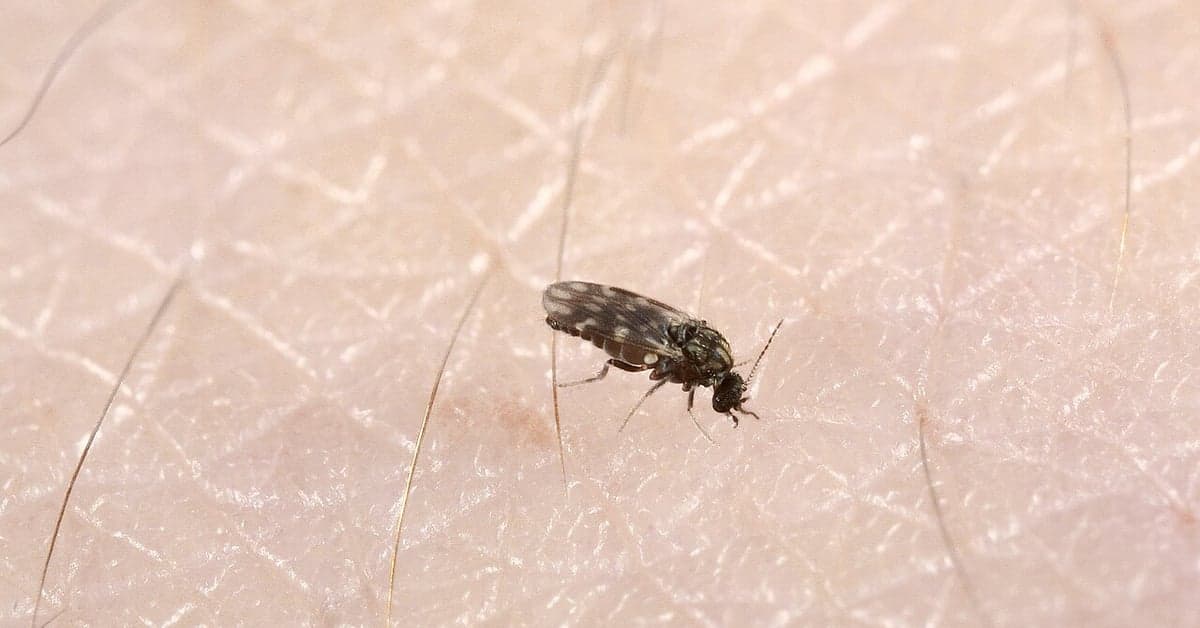
Late August brings jellyfish to many Japanese beaches, particularly in the Sea of Japan and the Seto Inland Sea. Some beaches close early (around August 20) because of jellyfish risk. If you see purple warning flags, inquire at the lifeguard station about conditions. Vinegar stations are common at Japanese beaches for treating stings.
Beach Houses (Umi no Ie)
Beach houses are seasonal wooden structures that operate during the official swimming season, providing changing rooms, showers, food, and drink service. They're a uniquely Japanese institution — part beach bar, part restaurant, part community center. Using a beach house typically costs ¥1,000-2,000 ($7-14) for the day, which includes a locker, changing area, shower access, and sometimes a beach mat or umbrella.
Food at beach houses ranges from yakisoba (fried noodles, ¥600-800 / $4-5.50) and kakigori (shaved ice with syrup, ¥400-600 / $2.75-4) to grilled squid, takoyaki (octopus balls), and curry rice. Beer costs ¥500-700 ($3.50-4.85) for a 350ml can. Some beach houses on popular beaches like Yuigahama in Kamakura operate as full restaurants with DJs and cocktail menus — these can charge ¥3,000-5,000 ($21-35) for entry and first drink.
The etiquette: choose a beach house when you arrive, use their facilities, and spend money there throughout the day. Using one beach house's shower and changing room while buying food from another is considered poor form. If you bring your own food and supplies, set up on the public portion of the beach away from beach house territory.
Tattoo Considerations
Tattoos remain stigmatized in Japan due to their historical association with yakuza (organized crime). The impact on beach visits is less severe than at onsen (hot springs) or pools, but awareness matters. Many public pools and some organized beach facilities post "no tattoo" signs (irezumi kinshi). Enforcement at open beaches is rare — you won't be removed from a beach for having visible tattoos — but you may receive stares, and some beach house operators may decline service.
Practical approach: waterproof tattoo cover patches (available at Japanese drugstores for ¥300-800 / $2-5.50) work for small tattoos. Rash guards cover arm and torso tattoos and double as sun protection. In Okinawa and at less traditional resort beaches, tattoo sensitivity is noticeably lower than on the main islands.
Alcohol on the Beach
Drinking alcohol on Japanese beaches is legal and common. Convenience stores (konbini) near beach areas stock Asahi, Kirin, and Sapporo beer, chu-hai (shochu-based cocktails in cans, ¥150-250 / $1-1.75), and sake. Beach houses sell cold beer and cocktails at modest markups.
The etiquette around drinking is about behavior, not consumption. Public intoxication that disturbs others is deeply frowned upon. Drinking quietly with friends is fine; being loud, stumbling, or leaving trash is not. Some beaches — particularly Shonan-area beaches near Tokyo — have introduced no-alcohol zones or drinking restrictions after incidents involving rowdy groups. Check signage at the beach entrance.
Trash and Cleanliness
This is non-negotiable. Japanese beaches operate on a "carry in, carry out" principle. Public trash cans exist at some beach houses and parking areas, but many beaches have no bins at all. Bring a plastic bag, collect all your trash — cigarette butts, bottle caps, food wrappers — and take it with you. The expectation is that the beach looks exactly the same when you leave as when you arrived.
Beach cleanup events (kaigan seiso) are community activities organized by local municipalities, schools, and volunteer groups. If you see one in progress, joining for even 15 minutes is welcome and appreciated. It's also one of the easiest ways to interact with locals in a natural, low-pressure setting.
Noise and Space
Japanese beach culture values shared space more consciously than many Western beach cultures. Playing music from portable speakers is increasingly common but still draws disapproval from older beachgoers and families. Use headphones or keep volume low. If a lifeguard or nearby group asks you to lower the volume, comply without argument.
Setting up your area: leave reasonable space between your setup and neighboring groups. Encroaching on others' space, even by letting your umbrella shade overlap, causes discomfort. The Japanese concept of ma (negative space) applies here — giving others room is a form of respect.
Photography Etiquette
Do not photograph strangers on the beach without permission, especially children. Japan's strict privacy culture (and anti-voyeurism laws) means beach photography of unknown people is taken seriously. Photographing your own group, scenery, and your own activities is fine. Some beaches post signs explicitly prohibiting photography of other beachgoers.
Taking underwater photos with a waterproof camera is generally acceptable since it's clearly directed at marine life and scenery rather than people.
Nudity and Swimwear
Topless sunbathing is not practiced at Japanese beaches and will cause significant discomfort to those around you. Standard swimwear (bikinis, one-piece suits, board shorts, rash guards) is expected. Many Japanese women swim in rash guards or UV-protective swimwear for sun protection — this is common and practical given Japan's cultural preference for lighter skin.
There are no nude beaches in Japan. Nudist culture does not translate to this context.
Best Beaches in Japan
Kamakura and Shonan Coast
The closest quality beaches to Tokyo, Yuigahama and Zaimokuza beaches in Kamakura are 1 hour from Shinjuku by train (JR to Kamakura, then Enoden line, ¥920 / $6.40). The beaches are wide and sandy, with the Kamakura Great Buddha and Tsurugaoka Hachimangu shrine within walking distance. Beach houses here range from family-oriented to full club operations.
Okinawa
Okinawa's beaches — Naminoue in Naha (urban beach, free), Manza Beach (resort beach with spectacular cliff views, hotel day-use ¥3,000-5,000 / $21-35), and Kerama Islands (30-minute ferry from Naha, crystal-clear water with sea turtles) — operate with more relaxed norms than mainland beaches. The subtropical climate allows swimming from April through October. Explore more Asian beach destinations for your trip planning.
Shirahama, Wakayama
Shirahama's 640-meter white sand beach is one of Japan's most famous, with sand actually imported from Australia to maintain the beach. The adjacent onsen (hot springs) allow you to alternate between sea swimming and hot spring soaking. Toretore Market near the beach sells fresh sashimi platters for ¥1,000-2,000 ($7-14). Search Japan hotel deals on Expedia for beachside stays.
Frequently Asked Questions
When is beach season in Japan?
The official season runs mid-July through the end of August on the main islands. Some beaches open in late June. Okinawa's tropical climate permits swimming from April through October. Outside the official season, lifeguards leave and beach houses close. Swimming may be technically prohibited but enforcement varies.
Can I go to a Japanese beach if I have tattoos?
You won't be removed from an open beach for having tattoos, but you may receive stares and some beach house operators may decline service. Waterproof tattoo cover patches (¥300-800 at Japanese drugstores) work for small tattoos. Rash guards cover arm and torso ink. Okinawa and resort beaches are more relaxed about tattoos than mainland beaches.
What is a beach house (umi no ie) in Japan?
Beach houses are seasonal wooden structures providing changing rooms, showers, lockers, and food/drink service. Day use costs ¥1,000-2,000 ($7-14) including locker and shower access. Food includes yakisoba (¥600-800), kakigori shaved ice (¥400-600), and beer (¥500-700). Choose one beach house per day and patronize it consistently.
Is it okay to drink alcohol on Japanese beaches?
Drinking on beaches is legal and common. Convenience stores sell beer, chu-hai cocktails (¥150-250), and sake. The key is behavior: drinking quietly with friends is fine, but loud intoxication or rowdiness is strongly disapproved. Some Shonan-area beaches have introduced alcohol restrictions after behavioral incidents.
What should I do with trash at a Japanese beach?
Carry all trash out with you. Japanese beaches operate on a strict 'carry in, carry out' principle. Bring a plastic bag and collect everything — wrappers, caps, cigarette butts. Many beaches have no public trash cans. Leaving any litter is one of the most disrespectful things you can do at a Japanese beach.
Can I play music on a Japanese beach?
Portable speakers are technically allowed but increasingly frowned upon, especially by families and older beachgoers. Use headphones or keep volume very low. If anyone asks you to lower the volume, comply immediately and without protest. Noise consideration is a core value in Japanese shared spaces.
What are the best beaches near Tokyo?
Yuigahama and Zaimokuza beaches in Kamakura are 1 hour from Shinjuku by train (¥920). They're wide and sandy with nearby temples and restaurants. For better water quality, the Izu Peninsula (2-2.5 hours from Tokyo) has clearer water and less crowding. Enoshima island, connected to the mainland by bridge, has small beaches and a relaxed atmosphere.