Zanzibar vs Seychelles vs Mauritius: Indian Ocean Beach Comparison
Table of Contents
Prices in this guide are approximate and change often. Check with the hotel, airline or operator before you book.
Three Islands, Three Price Points, Three Personalities
The Indian Ocean's big three island destinations — Zanzibar, Seychelles, and Mauritius — all deliver white sand beaches, turquoise water, and tropical warmth. They also represent three very different travel experiences in terms of cost, culture, accessibility, and what you actually do once you arrive. Choosing between them is less about which has the "best" beaches (all three have extraordinary ones) and more about what kind of trip you want.
The quick version: Zanzibar offers the most culture and the lowest prices but the least polished tourist infrastructure. Mauritius has the most developed resort scene and the best all-around variety. Seychelles has the most pristine natural beauty and the highest price tag. All three work as standalone destinations or as add-ons to broader East African or Indian Ocean itineraries.
Zanzibar
The Beaches
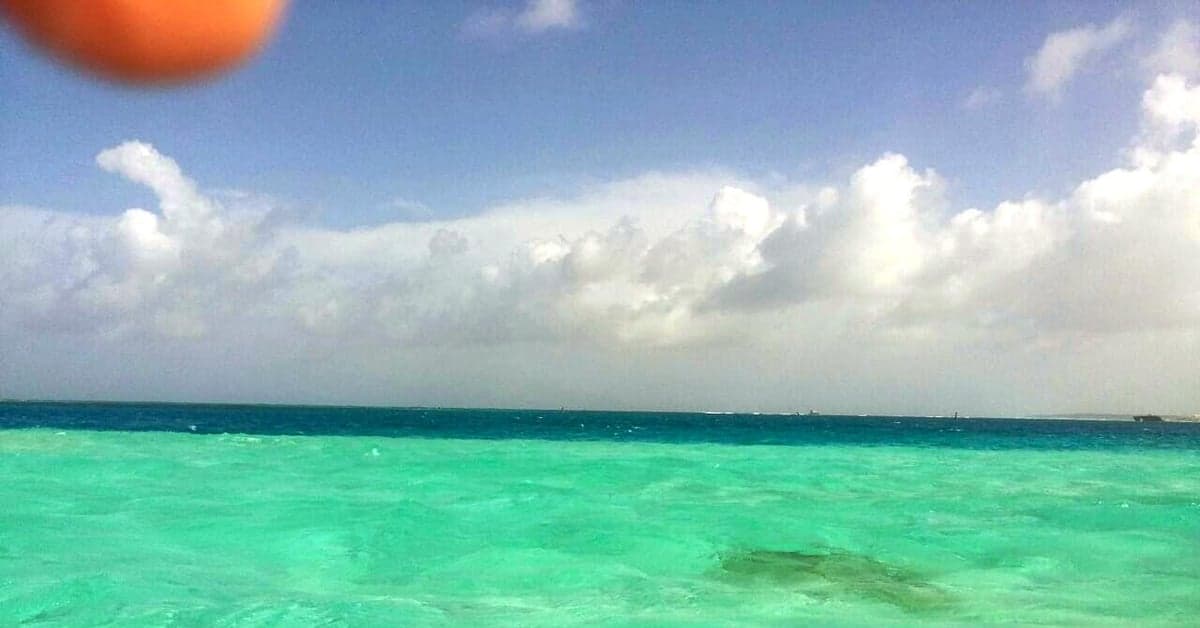
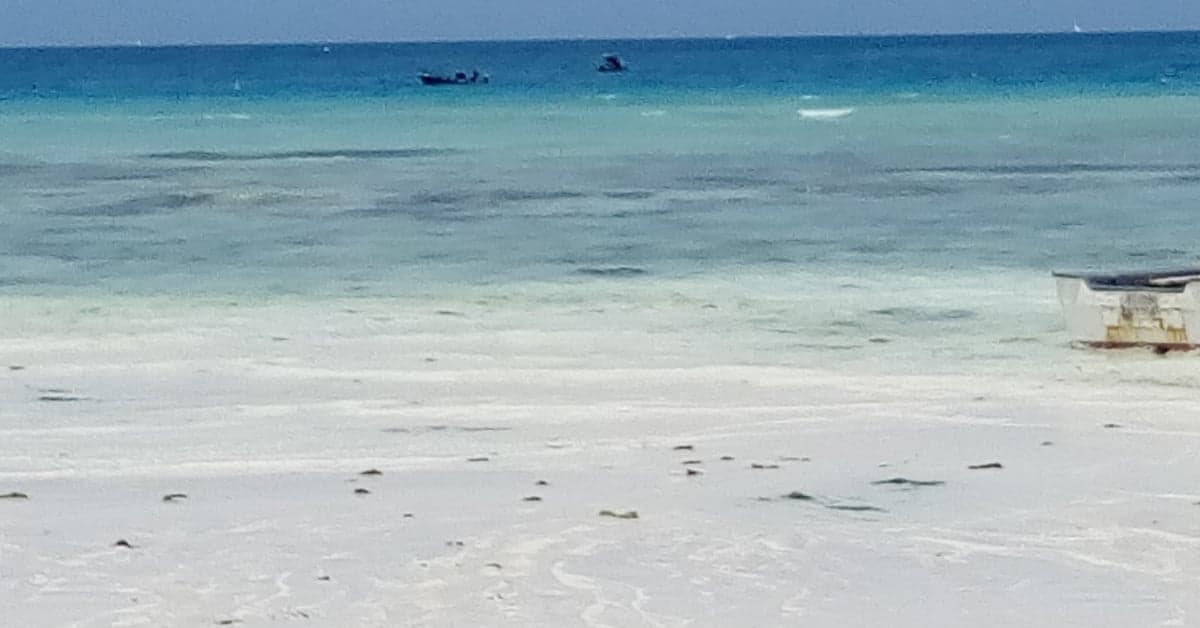
Zanzibar's beaches are stunning, but they come with a caveat that surprises many visitors: the tides. The east coast beaches (Paje, Jambiani, Bwejuu) experience dramatic tidal swings — the water can retreat hundreds of meters at low tide, leaving exposed seagrass flats and tidepools where there was swimming water hours earlier. This is not a flaw; it is a feature. The low-tide landscape is atmospheric and interesting, and the shallow water at mid-tide is warm and luminous. But if your beach fantasy involves walking straight from your sunbed into deep water at any hour, the east coast will occasionally frustrate you.
The north coast around Nungwi and Kendwa has less extreme tides and deeper water closer to shore. Nungwi Beach is the island's most popular — a long curve of white sand with clear water, dhow boats, and a fishing village atmosphere. Kendwa, just south, is slightly more resort-oriented with better swimming at all tide levels and a weekly full-moon party that draws visitors from around the island.
The west coast's Mangapwani and Bububu beaches are quieter, less visited, and closer to Stone Town. They do not have the turquoise water of the east and north coasts, but they offer a more local, less touristic experience.
Beyond the Beach
Zanzibar's strongest advantage over the Seychelles and Mauritius is cultural depth. Stone Town — the old quarter of Zanzibar City — is a UNESCO World Heritage Site with a layered history of Omani sultanates, the slave trade, spice commerce, and colonial rule. The narrow alleys, carved wooden doors, rooftop restaurants, and evening food market at Forodhani Gardens are genuinely compelling. A spice tour through the island's interior ($20-30 per person) visits working spice farms growing cloves, nutmeg, vanilla, cardamom, and pepper.
The diving and snorkeling around Mnemba Atoll, off the northeast coast, is excellent — healthy coral, big schools of fish, and dolphin sightings. Boat trips to the atoll cost $40-70 per person. The Jozani Forest in the island's center is home to the endemic red colobus monkey, found nowhere else on Earth.
Cost
Zanzibar is the most affordable of the three by a significant margin. A good beachfront hotel on the east or north coast costs $80-200 per night. A meal at a local restaurant runs $5-15. A seafood dinner at a high-end restaurant is $25-40 per person. Internal transport (dala dala minibuses) costs under $1 for any journey. A private taxi from Stone Town to the east coast runs $25-35.
Seychelles
The Beaches
The Seychelles has beaches that look like they were designed by a committee whose only brief was "make it impossibly beautiful." Anse Source d'Argent on La Digue — smooth granite boulders in pink and grey, powder-white sand, shallow turquoise water, and palm trees leaning at photogenic angles — is regularly named among the most beautiful beaches on the planet. It deserves every word of that reputation.
Anse Lazio on Praslin is the other contender for the crown — a wider, more swimmable beach framed by granite headlands and tropical forest. The water is deeper and better for snorkeling than Anse Source d'Argent. On Mahe, the main island, Beau Vallon is the most popular beach, with good swimming, water sports, and a row of restaurants. Anse Intendance on Mahe's south coast is wilder, with surf and no reef protection, backed by coconut palms and untouched forest.
What sets Seychelles beaches apart from Zanzibar and Mauritius is the granite. The islands are granitic rather than coral (unlike most tropical island chains), and the ancient, sculpted boulder formations on the beaches create a landscape that exists nowhere else. The combination of tropical vegetation, surreal rock formations, and water clarity produces a visual experience that photographs cannot fully convey.
Beyond the Beach
The Vallee de Mai on Praslin is a UNESCO World Heritage Site — a prehistoric palm forest that is one of only two places on Earth (the other is nearby Curieuse Island) where the coco de mer palm grows wild. The coco de mer produces the world's largest seed (up to 25 kg), shaped suggestively enough that Victorian-era botanists went red describing it. The forest walk ($25 entry) takes about an hour and feels like stepping into a Jurassic-era landscape.
Island-hopping between Mahe, Praslin, and La Digue is straightforward by domestic flight (Mahe to Praslin, 15 minutes, $60-100 one way) or ferry (Mahe to Praslin, 1 hour, $55 one way; Praslin to La Digue, 15 minutes, $15). La Digue is the smallest of the three main islands, with no cars (transport is by bicycle or ox cart), and the pace is impossibly slow and deeply pleasant.
Cost
Seychelles is expensive. A mid-range hotel on Mahe or Praslin runs $200-400 per night. Luxury resorts (Four Seasons, Six Senses, North Island) start at $800 and can exceed $5,000 per night. A restaurant meal costs $20-50 per person. A beer is $5-7. Inter-island ferries and flights add $100-200 per person to any island-hopping itinerary. Budget travelers can find guesthouses for $80-120 per night, but the Seychelles is fundamentally a premium destination.
Mauritius
The Beaches
Mauritius's beaches benefit from a near-continuous barrier reef that encircles the island, creating a vast lagoon of calm, warm, turquoise water. The reef means that most beaches have gentle conditions — minimal waves, sandy bottoms, and water that stays shallow for a considerable distance. For families and non-confident swimmers, this is a significant practical advantage over Seychelles (where some beaches have strong surf) and Zanzibar (where tides complicate things).
Trou aux Biches on the north coast is the best all-around beach: wide sand, clear calm water, excellent snorkeling on the reef, and a line of restaurants and hotels without feeling overdeveloped. Belle Mare on the east coast is longer and backed by a string of five-star resorts. Le Morne on the southwest peninsula — a UNESCO World Heritage Site for its historical significance as a refuge for escaped slaves — has a dramatic mountain backdrop and is the island's kitesurfing capital.
Ile aux Cerfs, a small island off the east coast accessible by boat ($15-25 round trip), has some of the clearest water around Mauritius and a festive, day-trip atmosphere with beach bars, water sports, and white sand. It is crowded but fun.
Beyond the Beach
Mauritius has more non-beach activities than either Zanzibar or Seychelles. The interior is mountainous, green, and home to the Black River Gorges National Park — excellent hiking through endemic forest with views of waterfalls and the Mauritian flying fox (a large, harmless fruit bat). The Chamarel Coloured Earths geological formation and the nearby rum distillery are popular half-day trips.
The capital, Port Louis, has a vibrant Central Market, Chinatown, and a waterfront development with restaurants and shops. The cultural mix — Indian, Creole, French, Chinese — makes Mauritian cuisine uniquely varied. A street-food dholl puri (spiced lentil flatbread, the national snack) costs 15-25 rupees ($0.35-0.60). The food alone justifies the trip.
Big-game fishing, golf (several world-class courses), catamaran cruises, and dolphin-watching trips fill the non-beach hours. For couples, the resort scene is polished and comprehensive — this is where Mauritius excels over the other two.
Cost
Mauritius sits between Zanzibar and Seychelles on price. A good hotel costs $150-350 per night. Five-star resorts run $400-1,500. A restaurant meal costs $10-30 per person at mid-range places, more at resort restaurants. The all-inclusive resort model is well-established here and often represents good value for couples and families.
The Comparison Table
Best Beaches
Seychelles wins on sheer beauty — the granite boulder beaches are unlike anything else. Mauritius wins on swimmability and consistency, thanks to the lagoon. Zanzibar wins on atmosphere and the combination of beach and culture.
Best for Snorkeling and Diving
Zanzibar's Mnemba Atoll and the Seychelles' reef systems are both excellent. Mauritius has good snorkeling inside the lagoon but the reef is further offshore. For diving variety, Zanzibar offers the best value; Seychelles offers the most pristine conditions.
Best for Couples
Mauritius, with its polished resort scene, spa culture, and all-inclusive options, is purpose-built for couples. Seychelles is the luxury honeymoon choice. Zanzibar offers a more adventurous, culturally rich couples trip at a fraction of the cost.
Best for Budget Travelers
Zanzibar, by a wide margin. A week in Zanzibar can cost $500-1,000 per person including accommodation and food. The same week in Mauritius runs $1,500-3,000, and in Seychelles, $2,000-5,000+.
Best for Families
Mauritius, thanks to the calm lagoon beaches, the range of family-friendly resorts, and the variety of non-beach activities. Zanzibar works for adventurous families. Seychelles works if budget is not a constraint.
Frequently Asked Questions
Which is cheaper, Zanzibar, Seychelles, or Mauritius?
Zanzibar is the most affordable by a significant margin. A week costs $500-1,000 per person including accommodation and meals. Mauritius runs $1,500-3,000 per person for a comparable week. Seychelles is the most expensive at $2,000-5,000+ per person, with luxury resorts potentially reaching $5,000+ per night.
Which Indian Ocean island has the best beaches?
Seychelles has the most visually striking beaches, with unique granite boulder formations at places like Anse Source d'Argent. Mauritius has the most swimmable beaches thanks to its protective barrier reef creating calm lagoon conditions. Zanzibar has atmospheric beaches with dhow boats and fishing village culture, but dramatic tidal changes on the east coast can complicate swimming.
Is Zanzibar safe for tourists?
Day to day, the main risks for tourists on Zanzibar are petty theft and traffic, but Tanzania saw deadly unrest after its October 2025 election, so check current travel advice before booking. Stone Town requires normal urban awareness — do not flash expensive items and be cautious at night in quiet alleys. The beach areas are safe, though women may experience unwanted attention. Dress modestly in Stone Town and village areas out of respect for the predominantly Muslim culture.
How do you get between islands in the Seychelles?
Domestic flights connect Mahe and Praslin (15 minutes, $60-100 one way). The Cat Cocos ferry runs from Mahe to Praslin (1 hour, $55 one way). From Praslin, a 15-minute ferry reaches La Digue for about $15. Most visitors spend time on at least two of the three main islands. Book inter-island transport in advance during peak season.
What is the best time to visit the Indian Ocean islands?
The dry season varies slightly: Zanzibar is best June through October and December through February; Seychelles is driest April through May and October through November; Mauritius is best May through December with peak season October through December. Water temperatures are warm year-round (77-84°F) across all three destinations.
Which island is best for a honeymoon?
For luxury honeymoons, Seychelles offers the most exclusive and pristine setting, with resorts like North Island and Six Senses. Mauritius has the most polished resort scene with all-inclusive options, spa packages, and varied dining. Zanzibar is the choice for couples who want cultural depth alongside beach time, at a fraction of the cost.
Can you combine Zanzibar with a safari?
Yes, Zanzibar is the classic beach add-on to an East African safari. Direct flights connect Zanzibar to Kilimanjaro, Arusha, and Dar es Salaam in Tanzania, as well as Nairobi in Kenya. A common itinerary is a week on safari in the Serengeti or Masai Mara followed by 4-5 days on Zanzibar's beaches. Many tour operators package both.