Your Ultimate Guide to Family-Friendly Beaches in Florida
Table of Contents
Florida's coastline stretches for more than 1,300 miles, tracing the edge of two oceans and the Gulf of Mexico in an unbroken ribbon of sand, surf, and sunshine. For families, this means an almost limitless selection of beaches where gentle waves lap at warm, shallow shores, where lifeguards keep watch from dawn to dusk, and where the biggest decision of the day is whether to build a sandcastle or chase hermit crabs.
From the sugar-white Gulf Coast to the lively Atlantic shore, Florida's family-friendly beaches combine natural beauty with the amenities that make traveling with children genuinely enjoyable. This guide highlights the best of them and everything you need to plan a stress-free beach day. For official planning information, see Visit Florida.
Why Florida's Beaches Are Perfect for Families
Safety and Accessibility
Florida takes beach safety seriously. Most popular beaches have certified lifeguards, clearly marked swimming zones, and flag systems that communicate ocean conditions at a glance. Facilities are clean, well-maintained, and often include accessible boardwalks that accommodate strollers and wheelchairs alike.
The Gulf Coast beaches, in particular, are known for their calm, shallow waters that stay warm well into autumn. These gentle conditions let young children play freely at the water's edge, giving parents the chance to actually relax.
Fun for Every Age
Playgrounds, splash pads, and picnic pavilions are standard features at Florida's top family beaches. Older children and teenagers can try paddleboarding, kayaking, or boogie boarding, while the youngest family members are perfectly content filling a bucket with shells. Many beaches also sit close to attractions like marine aquariums, nature centers, and ice cream shops that can rescue a long afternoon.
Stunning Natural Beauty
Beyond the sand, Florida's beaches are gateways to remarkable ecosystems. Dolphins arc through the surf just offshore. Sea turtles nest on quiet stretches of coast between May and October. Pelicans glide low over the water, and at dusk the sky ignites in colors that no camera can fully capture. These moments become the memories your children will carry into adulthood.
Top Family-Friendly Beaches in Florida
Clearwater Beach
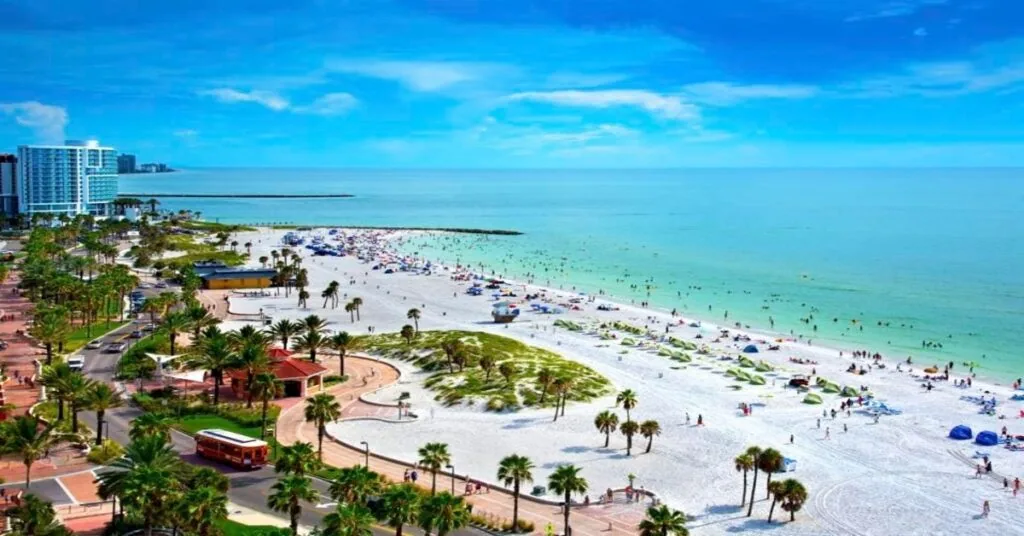
Clearwater Beach earns its name every single day. The sand here is fine, white, and cool underfoot even in the height of summer. The Gulf water is remarkably transparent, making it easy to spot fish darting around your ankles. The beach is wide and gently sloped, giving families plenty of room to spread out.
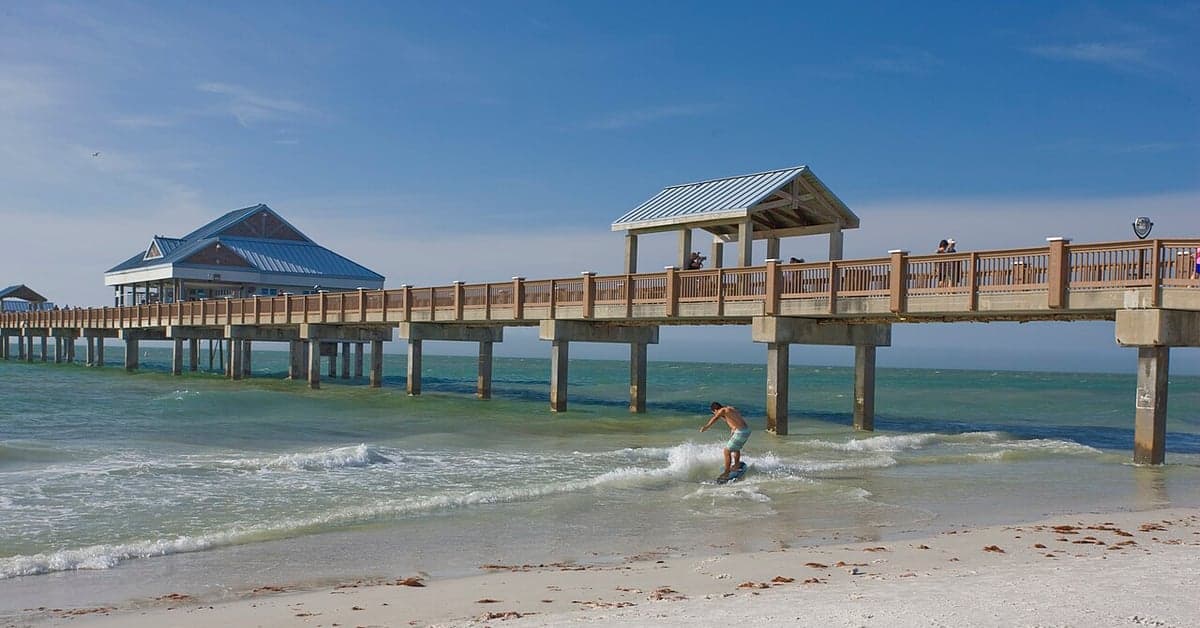
Every evening, Pier 60 hosts a sunset celebration with street performers, artisan vendors, and live music. It is a wonderful, free tradition that turns a simple beach day into a festive occasion. Nearby, the Clearwater Marine Aquarium offers an educational break from the sun.
Siesta Key Beach
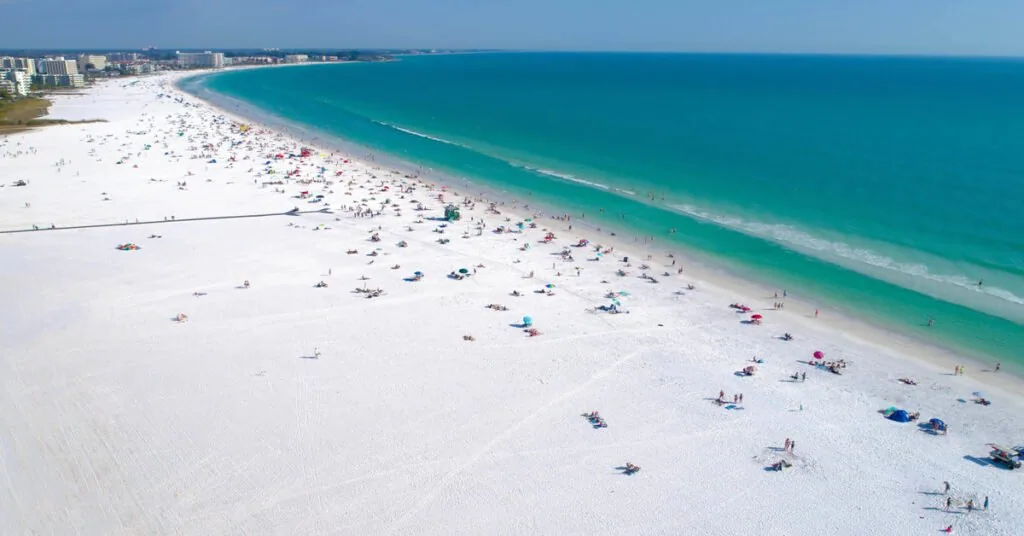
Siesta Key's sand is composed almost entirely of quartz crystal, which means it stays remarkably cool even on the hottest days. This makes it ideal for barefoot toddlers and anyone who has ever hopped painfully across scorching sand to reach the water.
The beach is wide, the water is calm, and the shaded picnic areas are plentiful. A large, well-equipped playground sits just off the sand, and the village of Siesta Key is a short walk away for lunch or an afternoon ice cream run. The overall pace here is unhurried and deeply relaxing.
Fort De Soto Park
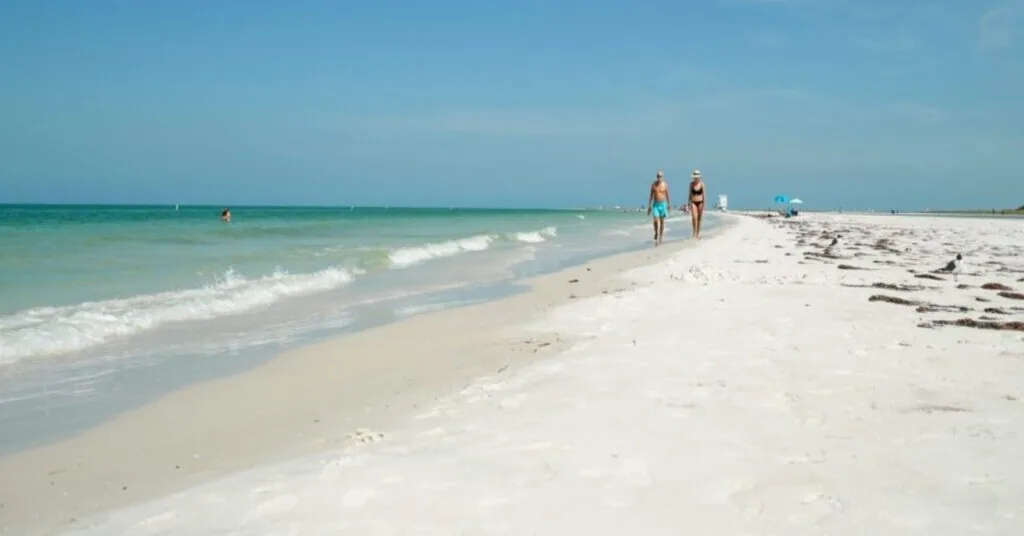
Fort De Soto Park spreads across five interconnected islands south of St. Petersburg, offering seven miles of waterfront that consistently ranks among the best in the country. The North Beach area is the star for families, with shallow, bathtub-warm water, covered picnic shelters, and a concession stand.
Beyond the beach, the park delivers a full day of adventure. Explore the historic fort dating to the Spanish-American War, bike the paved trails, paddle a kayak through mangrove tunnels, or cast a line from the long fishing pier. It is the rare beach destination that entertains history buffs, nature lovers, and sun worshippers equally.
Beach Activities the Whole Family Will Love
Sandcastle Building
Florida's fine, moist sand is ideal for sculpting. Bring molds, buckets, and a spray bottle to keep the sand workable, and watch your family's creativity take shape. Some beaches even host sandcastle-building competitions during the summer months.
Snorkeling
The clear, warm waters of the Gulf Coast are perfect for introducing children to snorkeling. Even in shallow areas, you will spot small fish, hermit crabs, and sea stars. For a more immersive experience, head to a nearby reef or jetty where larger marine life gathers.
Wildlife Watching
Keep your eyes on the water and you may catch dolphins feeding just beyond the surf line. Manatees occasionally visit coastal shallows, especially near river outlets. Bring binoculars for birdwatching; Florida's beaches host ospreys, roseate spoonbills, and great blue herons year-round.
Beach Games
A frisbee, a beach volleyball, or a simple game of tag at the water's edge can fill an entire afternoon. These games require almost no equipment and create the kind of simple, joyful moments that define a great family vacation.
Safety Tips for a Worry-Free Beach Day
Stay Hydrated
The Florida sun is intense, even on overcast days. Pack a cooler with plenty of water and encourage regular drink breaks, especially for children who may not recognize the signs of dehydration while they are having fun.
Sun Protection
Apply broad-spectrum SPF 30 or higher sunscreen before you leave the house and reapply every two hours and after swimming. Hats, UV-protective rash guards, and a beach umbrella or pop-up tent provide essential shade for extended stays.
Understand the Flags
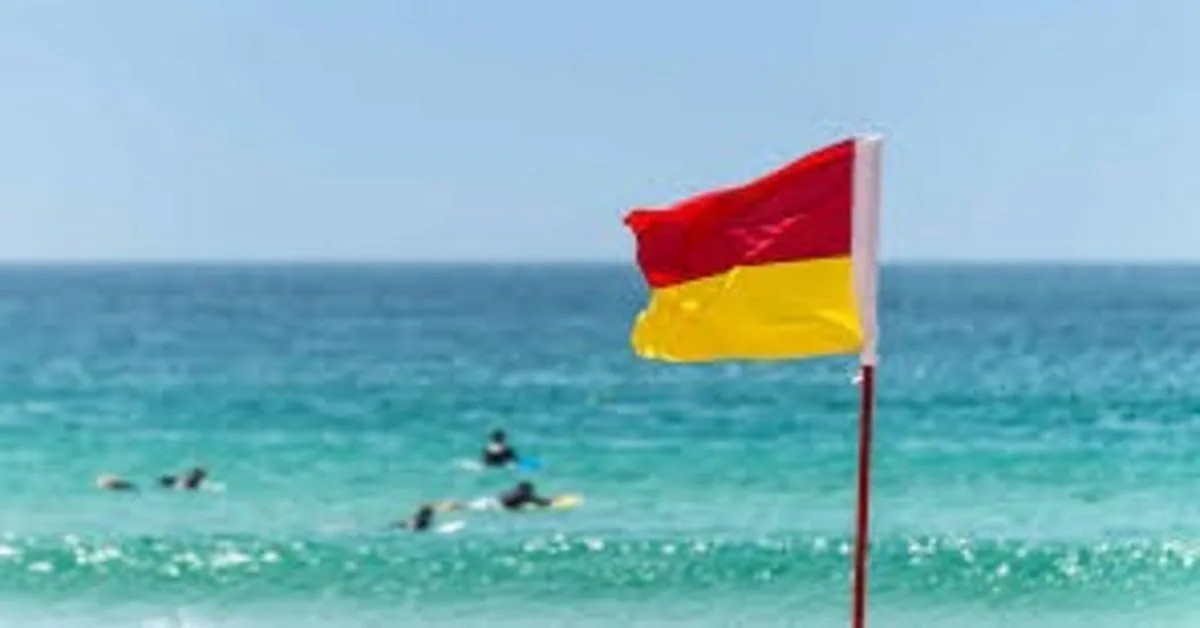
Florida beaches use a colored flag system to indicate water conditions. Green means calm, yellow signals moderate surf, red warns of dangerous currents, and double red means the water is closed. Always swim near a lifeguard station and keep children within arm's reach in the water.
Making Memories
Sunset Photos
Florida's Gulf Coast sunsets are legendary. Arrive at the beach about thirty minutes before sunset for the best light, and let the sky's shifting palette of coral, gold, and violet become the backdrop for your family portraits.
Shell Collecting
Sanibel Island and its neighboring beaches are world-famous for shelling, but you can find treasures on almost any Florida shore. Bring a small mesh bag and see who can find the most unusual specimen. It is a quiet, meditative activity that even the youngest family members enjoy.
Family Selfies
Capture the sandy toes, the ice cream mustaches, and the sun-tired smiles. These candid shots often become the most treasured souvenirs of the trip.
Frequently Asked Questions
Are Florida's family beaches wheelchair accessible?
Many of Florida's top beaches offer accessible boardwalks, beach wheelchair rentals, and ADA-compliant restrooms. Clearwater Beach and Fort De Soto Park are particularly well-equipped. Check with individual beach parks before your visit for specific accessibility details.
Can we bring pets to the beach?
Some Florida beaches allow dogs in designated areas or during specific hours. Fort De Soto Park has a popular dog beach. Always check the rules for your chosen beach in advance, and bring waste bags and fresh water for your pet.
When is the best time to visit?
Late spring (April and May) and early fall (September and October) offer warm weather, fewer crowds, and lower accommodation prices. Summer is peak season with the hottest temperatures and occasional afternoon thunderstorms that typically pass quickly.
Conclusion
Florida's family-friendly beaches deliver on every promise the Sunshine State makes. The water is warm, the sand is soft, the sunsets are extraordinary, and the memories you create here will be the ones your family talks about for years. From the laid-back elegance of Siesta Key to the festive energy of Clearwater Beach to the natural wonder of Fort De Soto Park, each destination offers its own personality and charm.
Pack the sunscreen, grab the beach toys, and head for the shore. Florida's sand and surf are ready and waiting for your family's next great adventure.
Frequently Asked Questions
What is the best family beach in Florida?
Clearwater Beach is consistently voted the best family beach in Florida for its calm, shallow water, wide sand, and lifeguard coverage. Siesta Key has the finest quartz sand in the country. For a quieter experience, Sanibel Island and Anna Maria Island offer family-friendly beaches without the high-rise crowds.
Which side of Florida has better beaches?
The Gulf Coast (west side) has calmer water, softer sand, and warmer water temperatures, making it better for young children. The Atlantic Coast (east side) has bigger waves for boogie boarding and surfing. Panhandle beaches (Destin, Panama City Beach) have the whitest sand and emerald-green water.
When is the best time to visit Florida beaches with kids?
Late March through May offers warm water (75-80°F), manageable crowds, and lower prices than summer. Summer (June-August) has the warmest water but also afternoon thunderstorms, crowds, and higher hotel rates. Avoid spring break weeks (mid-March) at popular beaches if you want a calmer experience.
Are Florida beaches free?
The wet sand below the high-water line is public in Florida, and most beaches have free public access points. However, parking can be expensive at popular beaches: $10-25/day at Clearwater Beach, Siesta Key, and South Beach. County and state parks charge entry fees of $4-8 per vehicle. Some beaches offer free parking if you arrive early (before 9am).
Are there sharks at Florida beaches?
Florida leads the US in shark bites, but attacks are extremely rare (around 16-20 non-fatal bites per year statewide out of millions of swimmers). Most incidents are minor. Avoid swimming at dawn, dusk, or near fishing piers. New Smyrna Beach has the most shark encounters but they're almost always minor nips.
What are the safest Florida beaches for toddlers?
St. Pete Beach and Fort De Soto Park have very shallow, calm water perfect for toddlers. Bowman's Beach on Sanibel has no undertow and gradual depth. Bahia Honda in the Keys has a shallow lagoon area. Always stay near lifeguard stations and check the daily beach flag conditions (green means safe).
How much does a Florida beach vacation cost for a family of four?
Budget about $150-250/night for a family hotel or vacation rental near the beach. Dining out costs $60-100/day for a family of four. Beach gear rental (umbrella and chairs) runs $30-50/day. A week-long Florida beach vacation typically costs $2,000-4,000 total depending on the area and time of year.