Table of Contents
Prices in this guide are approximate and change often. Check with the hotel, airline or operator before you book.
What to Look for in a Beginner Surf Camp
A good beginner surf camp has three things: a sandy-bottom beach break with small, consistent waves; qualified instructors with a maximum 4:1 student-to-instructor ratio; and enough non-surfing activities and social infrastructure that you're not staring at the wall when the waves are flat. The best camps also provide video analysis, which accelerates learning faster than anything else — watching yourself pop up wrong is more instructive than hearing someone shout corrections from shore.
Avoid camps that mix beginners with intermediate or advanced surfers in the same sessions. The wave requirements are completely different, and you'll either hold back experienced surfers or get pushed into conditions beyond your ability. Every camp listed here runs dedicated beginner sessions on appropriate waves, with separate programs for advancing surfers.
Central America
Witch's Rock Surf Camp, Tamarindo, Costa Rica
Tamarindo's beach break is one of the most consistent and forgiving in Central America: waist-to-chest-high waves breaking over sand, warm water year-round (27-29°C), and a long stretch of beach that spreads out the crowd. Witch's Rock runs week-long packages starting at $1,095 per person including accommodation in shared rooms, daily two-hour surf lessons, board rental, airport shuttle from Liberia (1-hour drive), and a sunset boat tour.
Private rooms bump the price to $1,395-$1,695. Meals are not included but the camp is in central Tamarindo, where a casado (rice, beans, plantain, and protein) costs $5-$8 at local sodas. The instructors are all ISA-certified (International Surfing Association) with CPR/first aid training. Maximum group size is 4 students per instructor. The camp also runs trips to more advanced breaks at Playa Grande and Witch's Rock (in Santa Rosa National Park) for surfers who progress quickly.
Selina Surf Club, Santa Teresa, Costa Rica
Santa Teresa has a stronger, more powerful wave than Tamarindo, which makes it slightly less forgiving for absolute beginners but better for fast progression. Selina's surf club offers daily lessons at $35 per session (2 hours, board included) without requiring a multi-day package — good if you want flexibility. Their beginner sessions run at Playa Carmen, the gentlest section of the Santa Teresa-Mal Pais beach strip.
Selina's hostel beds start at $18/night, private rooms at $65. The co-working space means many guests are remote workers staying for weeks or months, creating a community that extends beyond the surf. Nearby, Koji's sushi restaurant does surprisingly excellent fish tacos for $4, and Burger Rancho is the go-to casual dinner ($7-$10 for a burger and beer).
Punta Mango Surf Camp, El Salvador
El Salvador's Pacific coast has some of the most consistent surf in the Americas, and Punta Mango sits at the end of a rough dirt road in the eastern part of the country. The wave here is a right-hand point break — not typically a beginner wave — but the camp runs beginner sessions at nearby beach breaks like Las Flores and Punta Roca where the waves are smaller and more forgiving.
Week-long all-inclusive packages run $650-$900 including accommodation, three meals, daily surf guiding, and board rental. This is one of the cheapest quality surf camp options in the Americas. El Salvador's tourism infrastructure is less developed than Costa Rica's, which keeps prices low and crowds thin. The food at camp is home-cooked Salvadoran: pupusas, grilled fish, fried plantains. Search for flights to San Salvador — the airport is 3-4 hours from the eastern surf coast.
Europe
Surf Camp Ericeira, Portugal
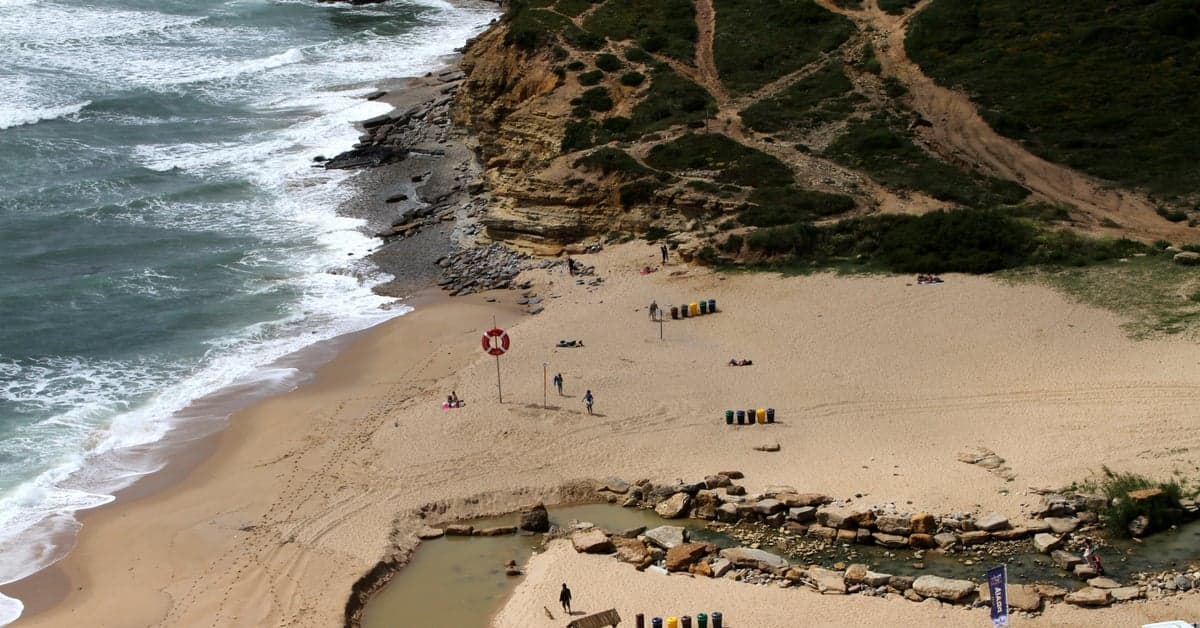
Ericeira is a World Surfing Reserve (one of only a handful globally), 45 minutes north of Lisbon. The town has multiple breaks within walking distance, from the gentle beach break at Foz do Lizandro (ideal for beginners) to the heavy reef breaks at Coxos and Ribeira d'Ilhas for experts. The concentration of wave options in a small area makes it one of the best places in Europe to learn.
Lapoint Surf Camp runs week-long packages from EUR 449 (shared dorm) to EUR 749 (private room), including daily lessons, board rental, and breakfast. The instructors are multilingual (English, Portuguese, French, German) and groups max out at 5 students. Ericeira town has excellent seafood: Marisqueira Ribamar serves a legendary seafood rice (arroz de marisco, EUR 15/person) that has drawn Lisbon residents for decades.
Star Surf Camps, Various Locations (France, Spain, Portugal)
Star Surf operates mobile tent camps along the Atlantic coast, moving with the seasons to catch the best conditions. Summer camps run in Moliets (France) and Oyambre (Spain). The setup is basic — canvas tents on wooden platforms with shared bathrooms — but the price reflects it: EUR 299-$399 for a week including accommodation, breakfast and dinner, daily lessons, and boards.
The French locations in Les Landes (the stretch of coast between Biarritz and Bordeaux) have the most consistent beginner-friendly beach breaks in Europe. Long, sandy beaches with gentle waves that peel evenly across sandbars. Water temperature requires a wetsuit from September through June (provided by the camp). July-August, a shorty or even boardshorts will do. The social scene at these camps is strong — expect communal dinners, beach bonfires, and a demographic skewing 20-30 years old.
Surf Berbere, Taghazout, Morocco
Taghazout, 20 km north of Agadir, has become Morocco's surf hub. The village sits above a string of right-hand point breaks, with beginners directed to the beach break at Tamraght or the gentle reform waves at Banana Beach. Surf Berbere offers week-long packages from EUR 350 (shared room) to EUR 550 (private), including daily lessons, board rental, breakfast, and dinner cooked by local staff with Moroccan tagines, couscous, and fresh bread.
The water is cooler than you'd expect for Africa (16-22°C depending on season), so a 3/2mm wetsuit is standard. Surf season runs September through April. The summer months (June-August) are flat for surfing but good for the beach. Taghazout has a mellow, backpacker vibe with cafes, yoga studios, and cheap accommodation. A mint tea on a rooftop terrace watching the sunset over the Atlantic costs about $1.
Southeast Asia
Rapture Surfcamp, Padang Padang, Bali
Bali's Bukit Peninsula is the island's surf epicenter. Rapture runs camps at multiple locations, but their Padang Padang base is most convenient for beginners because it's close to the forgiving beach breaks at Kuta and the reef breaks of Uluwatu for progression. Week-long packages start at $649 (dorm) to $999 (private), including daily lessons, board hire, breakfast, and scooter transfer to wave spots.
Beginner lessons happen at Balangan Beach or Dreamland, both on the Bukit, where the waves are smaller and the reef is deep enough to be safe at most tides. Bali's biggest advantage for beginners: warm water (28°C year-round), no wetsuit needed. The biggest hazard: shallow reef at some spots. Stick to sandy-bottom breaks until your instructor clears you for reef breaks. Single Fin bar above Uluwatu has $3 Bintang beers and the best sunset surf-watching spot on the island. Check our destination guides for more Bali information.
Kima Surf, Sri Lanka
Sri Lanka's south coast (Weligama, Mirissa, Hiriketiya) offers some of the gentlest, most reliable beginner waves in Asia. Weligama Bay is a wide, sandy-bottom bay with small, rolling waves that barely break overhead even on big days. Kima Surf runs week-long packages from $499 (shared) to $799 (private), including daily lessons, boards, breakfast, and one dinner.
Sri Lankan food is cheap and excellent: a rice and curry lunch plate costs $2-$3 at local restaurants. Dhal, coconut sambol, and string hoppers are breakfast staples. Weligama town has a fish market where you can buy the morning catch and most guesthouses will cook it for you. The water is warm year-round (27-29°C). The south coast surf season runs November through April; the east coast (Arugam Bay) picks up from May through October, so Sri Lanka has surf somewhere on the island at all times of year.
What to Expect in Your First Week
Day 1-2: Standing Up
You'll spend the first session on the beach doing pop-up drills before entering the water. In the water, you'll ride the whitewater (broken waves) on your belly, then on your knees, then standing. Most people stand up on a wave by the end of day one. It will be ugly. That's normal.
Day 3-4: Catching Unbroken Waves
By mid-week, you'll start paddling into green (unbroken) waves and riding them as they break. This is where the actual surfing begins. The success rate drops — expect to eat a lot of whitewater. Core muscles you didn't know you had will be sore.
Day 5-7: Basic Turns and Wave Selection
The final sessions focus on reading waves (identifying which ones will break well) and making basic directional turns rather than just riding straight to shore. By the end of week one, most beginners can reliably catch and ride small green waves. You'll be hooked. That's the camp's business model — and it works. For tips on finding affordable flights to these destinations, see our flight search guide on Skyscanner.
Frequently Asked Questions
How much does a week-long beginner surf camp cost?
Prices range from EUR 299 for basic tent camps in France to $1,695 for private rooms at premium camps in Costa Rica. Mid-range options in Portugal, Morocco, and Sri Lanka run $400-$750 per week including accommodation, daily lessons, and board rental. Most camps don't include all meals, so budget an extra $10-$30/day for food depending on the country.
What is the best age to start surfing?
There is no upper age limit for learning to surf. Most camps accept students from age 8 to 70+. Physical fitness matters more than age — you need enough upper body strength to paddle and enough core strength to pop up. If you can do a push-up and swim 200 meters, you can learn to surf. Kids under 12 typically learn faster than adults.
How long does it take to learn to surf?
Most people stand up on a wave by the end of their first session. Catching unbroken green waves takes 3-5 days of practice. Basic competency (reading waves, making turns, paddling out through the lineup) takes 2-4 weeks of regular surfing. Going from beginner to comfortable intermediate typically requires 50-100 sessions spread over several months.
Do I need to be a strong swimmer to learn to surf?
You need to be comfortable in the ocean and able to swim 200 meters without stopping. You don't need to be a competitive swimmer. Beginner surf lessons happen in waist-to-chest-deep water where you can stand up between waves. However, ocean awareness and the ability to stay calm when held underwater briefly are important safety skills.
What is the best destination for a first surf trip?
Tamarindo, Costa Rica has the most reliable beginner-friendly conditions year-round: warm water, sandy bottom, consistent small waves, and a well-developed surf school infrastructure. Weligama, Sri Lanka and Ericeira, Portugal are close seconds. The best choice depends on your budget, travel preferences, and when you want to go.
What should I pack for a surf camp?
Camps provide surfboards and usually wetsuits. Bring reef-safe sunscreen (zinc-based SPF 50), a rash guard or lycra top, board shorts or a swimsuit, flip flops, a quick-dry towel, and basic first-aid supplies for reef cuts. Ear plugs prevent surfer's ear in cold water. Leave valuables at home — surf camps are communal environments with shared spaces.
Are surf camps safe for solo female travelers?
The camps listed here all have strong safety records and mixed-gender accommodations. Several (Selina, Lapoint, Surf Berbere) have high proportions of solo travelers, both male and female, and the communal atmosphere makes it easy to find surf buddies. Some camps offer women-only weeks or sessions. Read recent reviews on Google and TripAdvisor for current experiences.