The Best Beaches Near Major US Cities
Table of Contents
You Don't Need a Flight to Hit the Sand
Most Americans live within a few hours' drive of a decent beach. Some live within a few hours of a great one. The trick is knowing which beaches near major cities are worth the drive and which are overcrowded letdowns. This guide covers the best beach escapes from ten major metro areas — focusing on beaches you can reach in two hours or less, making them viable for day trips or easy weekends.
New York City
Rockaway Beach, Queens
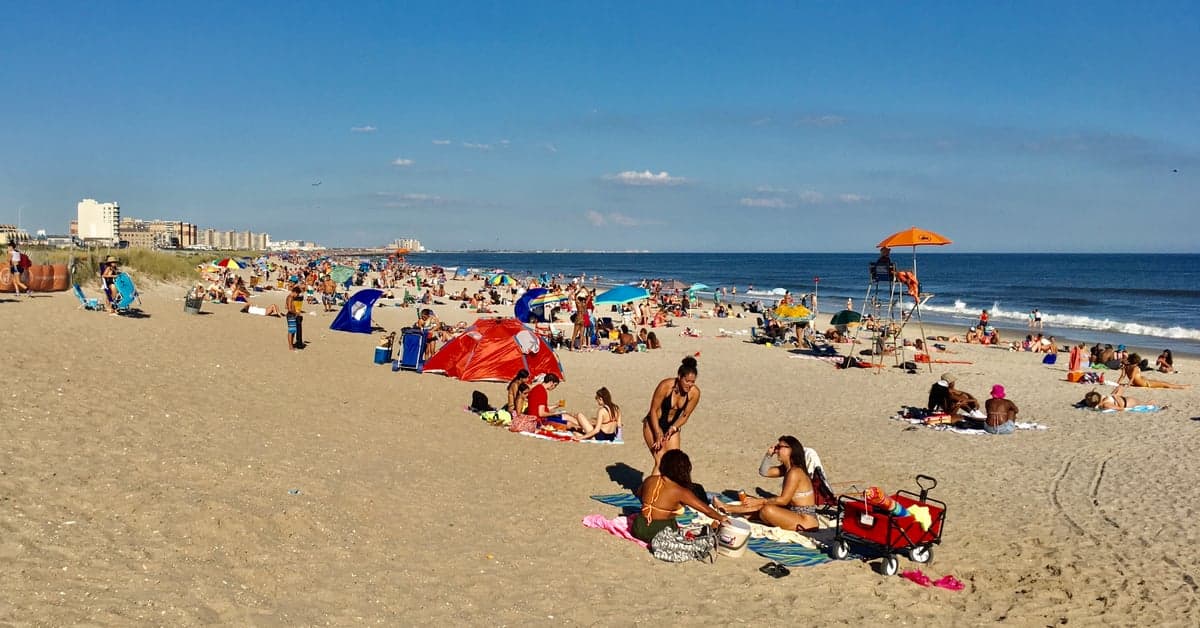
You can reach Rockaway Beach on the A train. That alone makes it remarkable. The beach runs for miles along the Rockaway Peninsula, with the best sections between Beach 67th and Beach 90th Streets. Beach 90th is one of the city's designated surfing beaches. Rockaway has gentrified significantly — the taco window at Tacoway Beach serves fish tacos for about 7 dollars, and the Rockaway Brewing Company taproom pours local IPAs a few blocks from the sand. Summer weekends get crowded, but arrive by 10 AM and you'll stake out space.
Long Beach, Long Island
A 50-minute LIRR ride from Penn Station puts you at Long Beach, a proper beach town with a boardwalk, good restaurants, and a wide sandy beach. Day passes cost 15 dollars for non-residents in summer. The surf is consistent enough to support a real surf culture. Shoregasboard on the boardwalk gathers food vendors in summer — lobster rolls run about 22 dollars. Long Beach delivers a full beach day without needing a car, which is rare in the Northeast.
Los Angeles
El Matador State Beach, Malibu
Thirty miles north of Santa Monica on PCH, El Matador is a small cove beach backed by eroded bluffs with sea stacks and rock arches. The parking lot holds about 30 cars (10 dollars to park), and a steep staircase leads down the cliff. It's photogenic in a way that Venice Beach hasn't been in decades. Not great for swimming — rocks and currents — but exceptional for photography, exploring tide pools, and escaping the LA beach scene. Go on a weekday morning.
Manhattan Beach
South of LAX, Manhattan Beach is a legitimate beach town with a two-mile strand, a fishing pier, and a walkable downtown. The sand is wide and clean. Volleyball nets line the beach — the sport was essentially invented here. Uncle Bill's Pancake House on Highland Avenue has been serving breakfast since 1961; the banana pancakes cost about 14 dollars and the line moves fast. Street parking is free if you're patient, or park in the downtown structures for 2-3 dollars per hour.
Miami
Bill Baggs Cape Florida State Park, Key Biscayne
Skip South Beach. Drive 30 minutes to Key Biscayne instead. Bill Baggs Cape Florida State Park occupies the southern tip of the island, with a mile of beach, a historic lighthouse built in 1825, and water that's notably clearer than Miami Beach. Entry costs 8 dollars per vehicle. Boater's Grill, the park's restaurant, serves surprisingly good grilled fish with rice and beans for about 18 dollars. The beach faces south toward Stiltsville, a collection of houses built on stilts in Biscayne Bay that creates a surreal backdrop.
Crandon Park Beach, Key Biscayne
On the same island, Crandon Park has a two-mile beach with shallow, calm water protected by a sandbar offshore. It's the best family beach in the Miami area — kids can wade out far in knee-deep water. Parking costs 7 dollars on weekdays and fills on summer weekends by 11 AM. The park has picnic pavilions, a nature center, and a golf course. The beach itself faces east, getting morning sun and afternoon shade from the palm trees. Pack lunch — the food options inside the park are limited.
San Francisco
Stinson Beach
An hour north of San Francisco via Highway 1 (one of America's great driving roads), Stinson Beach is a mile-long sandy beach on the Marin County coast. Water temperature hovers around 55°F even in summer, so wetsuits are standard. The town of Stinson Beach has a general store, a few restaurants, and a population of about 600 that swells on weekends. The Parkside Cafe serves a solid burger for about 19 dollars with a view of Bolinas Lagoon. Arrive early on summer weekends — the parking lot fills by noon and Highway 1 turns into a parking lot of its own.
Baker Beach, San Francisco
Inside San Francisco itself, Baker Beach offers a sandy shoreline with the Golden Gate Bridge as a backdrop. The water is frigid (50-55°F year-round) and has strong currents — swimming is dangerous and not recommended. But as a beach for walking, picnicking, and photography, it's hard to beat. Free parking in the lot above the beach, though spaces go fast on clear days. The north end is clothing-optional. Fog can roll in at any time, dropping temperatures 15 degrees in minutes, so bring layers even in July.
Chicago
North Avenue Beach
Lake Michigan's freshwater beaches are real beaches, not some consolation prize. North Avenue Beach has a wide sand stretch, a steamship-shaped beach house with food and drink vendors, volleyball courts, and skyline views that no ocean beach can match. The water gets swimmable (above 68°F) from late June through September. Free access. The Castaways bar on the beach serves frozen drinks and burgers — nothing special, but the setting sells itself. Peak weekends bring massive crowds; weekday afternoons are more manageable.
Boston
Crane Beach, Ipswich
About an hour north of Boston, Crane Beach sits on the 1,200-acre Crane Estate managed by The Trustees of Reservations. The beach stretches for a mile along Ipswich Bay, backed by dunes and salt marsh. Parking costs 30 dollars on summer weekends (less for Trustees members). The sand is fine and pale, the water cold but swimmable in July and August (mid-60s°F). Greenheads — biting flies — plague the beach in late July and early August. Time your visit for June, early July, or September to avoid them. The Castle Hill mansion above the beach hosts outdoor concerts in summer.
Seattle
Alki Beach, West Seattle
Alki Beach is Seattle's original settlement site, and its 2.5-mile waterfront path runs along a sandy-gravel beach facing downtown Seattle across Elliott Bay. The water never gets warm enough for comfortable swimming without a wetsuit (topping out around 55°F in August), but the beach culture is real — bonfires, beach volleyball, and cycling the paved trail. Marination Ma Kai at Alki serves Hawaiian-Korean fusion with a killer view; their spam musubi plate costs about 14 dollars. On clear days, Mount Rainier looms behind the skyline.
Houston
Stewart Beach, Galveston
Galveston sits about an hour south of downtown Houston, and Stewart Beach at the eastern end of the island is the best family option. Clean sand, lifeguards, restrooms, concessions, and a 12-dollar entry fee per vehicle that keeps the crowd somewhat manageable. The water is warm (upper 70s to low 80s in summer) but brown from Gulf sediment — visibility is measured in inches, not feet. That's just Galveston. Accept it. After the beach, drive to Gaido's on Seawall Boulevard for fried shrimp and stuffed crab — operating since 1911, dinner runs about 25-35 dollars per person.
Washington, DC
Rehoboth Beach, Delaware
About 2.5 hours from DC (or 3.5 on a Friday afternoon), Rehoboth Beach is the capital's default beach escape. The mile-long boardwalk has the right amount of charm — Thrasher's French Fries (vinegar only, no ketchup, about 8 dollars for a bucket), Dolle's saltwater taffy, and Grotto Pizza, which has been the boardwalk anchor since 1960. The beach is wide and clean. Free access, but street parking is competitive — the metered lots cost 3 dollars per hour. Dewey Beach, one town south, has a more active nightlife scene centered around the Starboard, which throws raucous events all summer.
Practical Tips for City Beach Trips
Timing
Leave early. For any beach within two hours of a major city, arriving before 10 AM on summer weekends is the difference between a good day and a miserable one. Parking fills, traffic builds, and shade disappears. Conversely, arriving at 3 PM often works — day-trippers start leaving and you get the golden-hour light.
Weekdays vs. Weekends
If you have any flexibility, go on a Tuesday or Wednesday. Weekend crowds at popular city beaches can be five to ten times higher than midweek. The same beach that feels overcrowded on Saturday feels spacious on Wednesday. This applies doubly to beaches with limited parking like El Matador or Baker Beach.
Transit Options
Several beaches on this list are reachable by public transit — Rockaway Beach (A train), Long Beach (LIRR), North Avenue Beach (Red Line + bus or walk), and Alki Beach (water taxi from downtown Seattle). Taking transit eliminates the parking stress that ruins most city beach trips. Check schedules in advance, especially for return trips when service may thin out in the evening.
Frequently Asked Questions
What is the best beach near New York City?
Rockaway Beach in Queens is the most accessible, reachable by the A train in about an hour from Manhattan. For a fuller beach-town experience, Long Beach on Long Island is a 50-minute LIRR ride from Penn Station with a boardwalk, restaurants, and good surf. Jones Beach and Robert Moses State Park on Fire Island offer more space but require a car.
What is the closest beach to San Francisco?
Baker Beach is inside San Francisco city limits, offering sand and Golden Gate Bridge views. However, the water is dangerously cold (50-55°F) with strong currents. Ocean Beach, also in the city, is wider but equally cold. For warmer water and a more traditional beach day, Santa Cruz is about 75 minutes south with water temperatures reaching the low 60s in summer.
Can you swim in Lake Michigan at Chicago beaches?
Yes, from late June through September when water temperatures rise above 68°F, Lake Michigan beaches are swimmable and popular. North Avenue Beach and Oak Street Beach are the most popular. Peak water temperatures reach the mid-70s in July and August. Lifeguards are on duty at major beaches from Memorial Day through Labor Day, typically 11 AM to 7 PM.
What is the best beach near Washington, DC?
Rehoboth Beach, Delaware is the go-to DC beach escape, about 2.5 hours by car. It has a classic boardwalk, good restaurants, and clean wide sand. Bethany Beach (slightly further south) is quieter with fewer crowds. Ocean City, Maryland is closer to 3 hours and offers a more commercial boardwalk experience. Virginia Beach is about 3.5 hours but has warmer water.
Is the water warm enough to swim at LA beaches?
Yes, though water temperatures vary significantly by season. Summer (July-September) brings water temperatures of 68-72°F, warm enough for comfortable swimming without a wetsuit. Winter water drops to 55-60°F. Southern-facing beaches like Manhattan Beach and Hermosa Beach tend to be slightly warmer. Malibu beaches can be cooler due to upwelling currents.
What is the best beach near Houston?
Stewart Beach in Galveston is the best family option, about an hour from downtown Houston. It has lifeguards, clean facilities, and a 12-dollar entry fee that limits crowds. The water is warm (upper 70s to low 80s in summer) but murky due to Gulf sediment. East Beach in Galveston is an alternative with a more relaxed atmosphere. For clearer water, Port Aransas is about 3.5 hours south.
Are there any good beaches reachable by public transit?
Several excellent beaches are transit-accessible. Rockaway Beach in NYC is on the A subway line. Long Beach is a 50-minute LIRR ride from Penn Station. North Avenue Beach in Chicago is walkable from the Red Line. Alki Beach in Seattle is reachable by water taxi from downtown. Baker Beach in San Francisco is accessible by Muni bus. Transit eliminates parking stress, which is the biggest headache at city beaches.