The Best Beaches in the Florida Panhandle
Table of Contents
Prices in this guide are approximate and change often. Check with the hotel, airline or operator before you book.
The Emerald Coast Earns Its Name
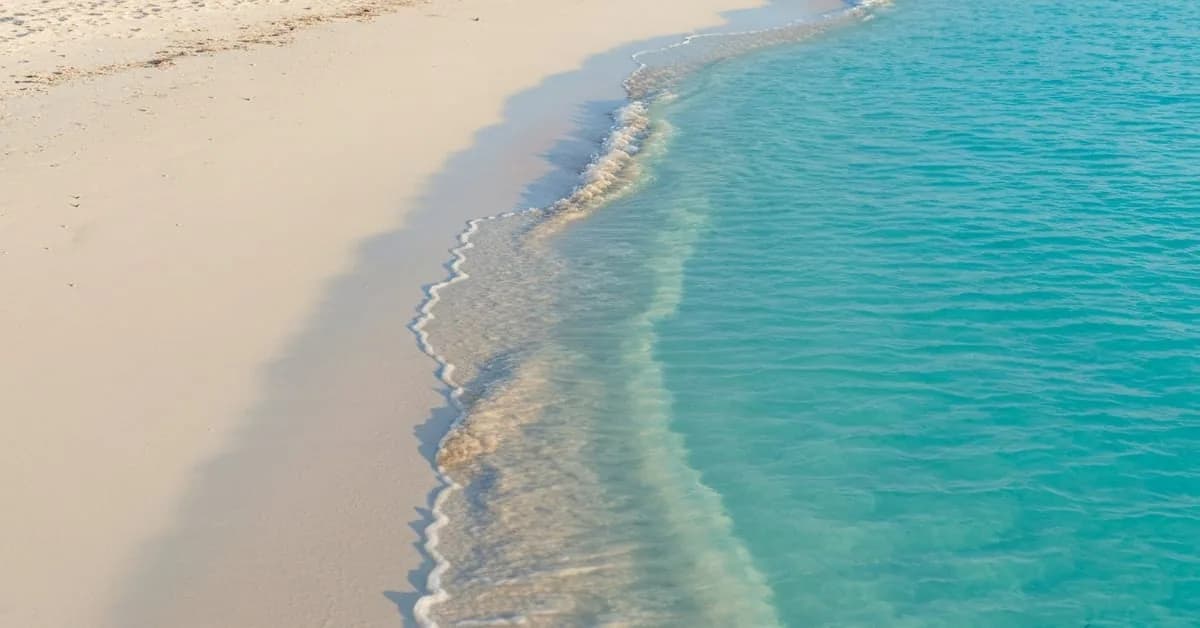
The western Florida Panhandle runs roughly 100 miles along the Gulf from Perdido Key, at the Alabama line, to Panama City Beach, and its sand is different from what you find in South Florida. It is almost pure quartz, carried down from the Appalachian Mountains by rivers over thousands of years and ground fine enough to squeak underfoot. Because it is white, it reflects heat and stays cooler to walk on than darker sand. The water over it runs from emerald green near shore to deep blue farther out.
South Florida draws more international visitors. The Panhandle draws drive-in families from Alabama, Georgia and Tennessee, many returning to the same stretch of beach year after year, and the region has a Southern beach culture to match: seafood markets and fried-fish counters, fishing charters out of Destin harbor, and vacation rentals rather than big-brand resorts. For official planning information, see Visit Florida and Visit South Walton.
The Beaches Compared
| Beach | Area | Managed as | Cost to get in | Good to know |
|---|---|---|---|---|
| Henderson Beach State Park | Destin | State park | $6 per vehicle | Timed day-use reservation required since May 15, 2026; closes when full |
| Crystal Beach | Destin | Public beach accesses | Free | Limited parking keeps it quiet |
| Grayton Beach State Park | South Walton (30A) | State park | $5 per vehicle | Dr. Beach's No. 1 in 1994; fills on busy summer days |
| Seaside, Rosemary Beach and Inlet Beach | South Walton (30A) | Town beach accesses | - | Walkable towns behind the dunes; Inlet is the least crowded |
| St. Andrews State Park | Panama City Beach | State park | $8 per vehicle; Shell Island shuttle extra | Dr. Beach's No. 1 in 1995; snorkeling at the jetty |
| The main strip | Panama City Beach | City beach | Free | No alcohol on the beach for the whole of March |
| Santa Rosa Island (Fort Pickens, Opal Beach) | Pensacola | Gulf Islands National Seashore | $25 per vehicle for 7 days; no cash | Undeveloped beach either side of Pensacola Beach |
| Johnson Beach | Perdido Key | Gulf Islands National Seashore | Same $25 pass | Seasonal lifeguards near the entrance only |
| St. George Island State Park | Forgotten Coast | State park | $6 per vehicle | Dr. Beach's No. 1 for 2023; about two hours east of Panama City Beach |
Destin and the Heart of the Emerald Coast
Henderson Beach State Park
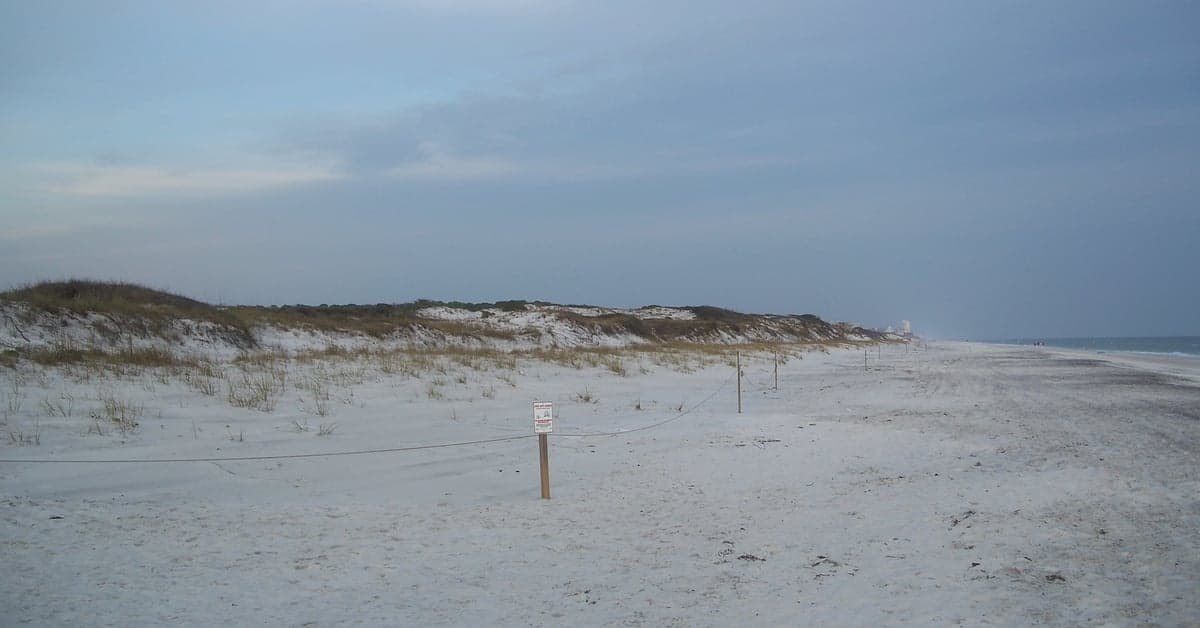
Henderson Beach State Park preserves 208 acres and a little over a mile (about 6,000 feet) of undeveloped shoreline in Destin, east of the harbor. The beach is wide and backed by coastal dunes instead of condos, and a short nature trail loops through the dunes. Entry is $6 per vehicle (2 to 8 people). Since May 15, 2026, day visitors must book a timed day-use reservation online in advance, including annual pass holders; the park holds about 233 vehicles and closes when it fills. Reservations open up to 60 days ahead on the Florida State Parks day-use reservation page. Pedestrians and cyclists do not need a reservation but still pay $2 at the gate.
Crystal Beach
Crystal Beach is a residential stretch of Destin between the harbor and Henderson Beach State Park, with several small public access points along Old Scenic Highway 98. The sand is the same as Henderson's, but parking at most accesses is limited, which keeps day-tripper numbers down; the access at The Shores at Crystal Beach has a lot, a pavilion and restrooms. For lunch, the restaurants along Destin harbor, including Boshamps Seafood and Oyster House, are a few minutes' drive away.
South Walton: 30A's 16 Beach Neighborhoods
Grayton Beach
Grayton Beach State Park was named the No. 1 beach in America on Dr. Stephen Leatherman's ("Dr. Beach") annual list in 1994; past winners are retired from the list, so it has not appeared since. The beach is wide and white, and it sits beside Western Lake, one of Walton County's coastal dune lakes, which periodically breaks through the sand to the Gulf. Entry is $5 per vehicle (2 to 8 people). The park fills on busy summer days and closes temporarily when it does, so arrive early. The village of Grayton Beach next door is older and more casual than the planned communities nearby. Its best-known restaurant, The Red Bar, burned down in February 2019 and reopened in a near-replica building in July 2020, and it draws long evening waits in season.
Seaside
Seaside, founded in 1981, is the planned town of pastel cottages and white picket fences that served as the main filming location for The Truman Show (1998), and it is often cited as an early landmark of the New Urbanism movement. Public beach access sits at the town center. The sand is the same as everywhere on 30A; the difference is the walkable town behind it, with Modica Market for sandwiches and groceries and the row of Airstream food trailers along Highway 30A.
Rosemary Beach
At the eastern end of 30A, Rosemary Beach is the more upscale end of the corridor, with Caribbean and Dutch West Indies-influenced architecture, brick-paved streets and a small town center of shops and restaurants. Beach access is by wooden walkovers through the dunes. Summer Kitchen Cafe on Main Street, open since 1999 and the town's first business, serves breakfast and lunch a short walk from the sand.
Inlet Beach
Inlet Beach, the easternmost community on 30A, was the last part of the corridor to be built up. The beach is wide and usually less crowded than Seaside or WaterColor, and Camp Creek Lake, another coastal dune lake, sits nearby. Vacation rentals dominate, and new construction has been steady for years, so expect building sites behind the dunes.
Panama City Beach
St. Andrews State Park
At the eastern end of Panama City Beach, St. Andrews State Park covers about 1,200 acres where the Gulf meets St. Andrews Bay. It was Dr. Beach's No. 1 beach in 1995. The Gulf-side beach is wide and far less built up than the main strip, and the rock jetty at the pass is popular with snorkelers and anglers. Entry is $8 per vehicle (2 to 8 people). A concession-run shuttle crosses to Shell Island, an undeveloped barrier island about 7 miles long; the fare is separate from the park fee (roughly $20 to $30 round trip for adults in 2026), and there is no shade, water or restrooms on the island.
The Main Strip
The Panama City Beach strip along Front Beach Road is a wall of high-rise condos, mini-golf, go-kart tracks and souvenir shops. The beach in front of it is the same white quartz sand that runs the city's 27 miles of coast, and the strip suits budget family trips well. Thomas' Donut and Snack Shop on Front Beach Road has been frying donuts since 1971 and closes mid-afternoon.
Spring break rules: Panama City Beach bans alcohol on the beach for the whole month of March, a rule adopted in 2015 and still in force. The 2026 spring break rules also included a 2 a.m. cutoff for bar alcohol sales and an 8 p.m. to 5 a.m. curfew for unaccompanied minors. March still brings college crowds, but families dominate the rest of the year.
Pensacola and Perdido Key
Gulf Islands National Seashore: Santa Rosa Island
On both sides of Pensacola Beach's commercial district, Santa Rosa Island belongs to Gulf Islands National Seashore, and the condos stop. To the west, the Fort Pickens Area ends at Fort Pickens, a brick fort completed in the 1830s that is worth an hour between beach sessions. To the east, the road toward Navarre passes long undeveloped stretches and the Opal Beach day-use area. According to the National Park Service, entry is $25 per private vehicle, good for seven days at all three Florida fee areas (Fort Pickens, Opal Beach and Johnson Beach); America the Beautiful passes are accepted, and the park does not take cash. The island roads close periodically after storms, so check the park's current conditions before driving out.
Johnson Beach, Perdido Key
Johnson Beach occupies the eastern end of Perdido Key, also within Gulf Islands National Seashore and covered by the same $25 vehicle pass. Past the developed area, the beach runs for miles with no buildings in sight. Facilities are concentrated near the entrance: parking, restrooms, a pavilion, accessible boardwalks and seasonal lifeguards. Beyond that, bring everything you need, including shade and water.
Further East: St. George Island
East of Panama City, on what Franklin County markets as the Forgotten Coast, Dr. Julian G. Bruce St. George Island State Park was Dr. Beach's No. 1 beach in America for 2023. The park protects about nine miles of undeveloped beach and dunes on a barrier island, with no high-rises in sight. Entry is $6 per vehicle. It is about a two-hour drive east of Panama City Beach, so most visitors treat it as a separate trip.
Practical Tips for Panhandle Beach Trips
When to Visit
Late April through May and October are the best balance of warm water (generally in the mid-70s °F), lower crowds and lower rental rates than summer. June through August brings water in the low to mid 80s and the biggest crowds, especially on 30A and in Destin. Spring break in March hits Panama City Beach hardest and has much less effect on 30A or Pensacola. Atlantic hurricane season runs June 1 to November 30, and according to the National Hurricane Center activity peaks from mid-August through mid-October, so check cancellation terms before booking for late summer or early fall.
Where to Stay
Vacation rental houses and condos dominate the Panhandle. 30A rentals are the most expensive; Destin and Panama City Beach have more hotel options at a wider range of prices. For value on 30A, look at rentals in Inlet Beach or Dune Allen, which share the same beaches as Seaside and Rosemary.
Rip Currents and Beach Flags
Rip currents are the Panhandle's biggest water danger, and Panama City Beach in particular has recorded clusters of rip current drownings in recent summers, many of them under red or double red flags. Panhandle beaches use a colored flag system: green for low hazard, yellow for medium hazard, red for high surf or strong currents, double red for water closed to the public, and purple for dangerous marine life such as jellyfish. In Panama City Beach, entering the water under double red flags carries a $500 fine, rising to $1,000 for a second offense. The calm look of the Gulf is misleading on red-flag days. Check the flags at every access point, swim near a lifeguard where there is one, and if you are caught in a rip current, follow the National Weather Service advice: do not swim against it, swim parallel to shore or float until you are out of it, and wave and call for help.
Dining
Seafood dominates. Dewey Destin's Harborside, on Harbor Boulevard, serves fried and grilled Gulf fish with a view of Destin harbor. In Pensacola, Joe Patti's Seafood, in business since the 1930s, sells fresh Gulf shrimp and fish by the pound to cook at your rental. Pensacola's downtown Palafox Street has a wider restaurant scene that goes well beyond fried fish.
Frequently Asked Questions
Why is the sand white in the Florida Panhandle?
The sand is almost pure quartz, eroded from the Appalachian Mountains and carried to the Gulf by rivers over thousands of years. The grains are fine enough to squeak underfoot. Because the sand is white it reflects heat, so it stays cooler to walk on than darker sand.
What is the best beach on 30A in Florida?
Grayton Beach State Park was Dr. Beach's No. 1 beach in America in 1994 and charges $5 per vehicle. For a more polished town behind the beach, Rosemary Beach has shops and restaurants within walking distance. Inlet Beach is usually the least crowded. The sand and water are the same along all of 30A; the difference is the community behind the beach.
Is Panama City Beach still a spring break destination?
It still draws college crowds in March, but the city bans alcohol on the beach for the entire month of March, a rule adopted in 2015, and its 2026 spring break rules also included a 2 a.m. cutoff for bar alcohol sales and a curfew for unaccompanied minors. Families dominate the rest of the year. St. Andrews State Park at the eastern end is the calmer option.
When is the best time to visit the Florida Panhandle?
Late April through May and October offer warm water (generally in the mid-70s °F), smaller crowds and lower rental rates than summer. June through August has the warmest water and the biggest crowds. Atlantic hurricane season runs June 1 to November 30, with activity peaking from mid-August through mid-October.
Do I need a reservation to visit Panhandle state park beaches?
At Henderson Beach State Park in Destin, yes: since May 15, 2026 all day visitors arriving by car must book a day-use reservation online in advance, including annual pass holders. Entry is $6 per vehicle. Grayton Beach and St. Andrews state parks do not require reservations but can close temporarily when they reach capacity on busy days.
What do the beach flags mean in the Florida Panhandle?
Green means low hazard, yellow medium hazard, red high surf or strong currents, double red means the water is closed to the public, and purple warns of dangerous marine life such as jellyfish. In Panama City Beach, entering the water under double red flags carries a $500 fine, or $1,000 for a second offense.
What is the least crowded beach in the Florida Panhandle?
Johnson Beach on Perdido Key and the undeveloped stretches of Santa Rosa Island east of Pensacola Beach, both part of Gulf Islands National Seashore, are much quieter than Destin or 30A. Entry is $25 per vehicle for a seven-day pass covering all the seashore's Florida fee areas. St. George Island State Park, farther east, is another quiet option.