Table of Contents
Two Islands, Two Personalities
Tahiti gets a bad reputation among beach snobs. The island's volcanic geology means most of its coastline is fringed with black sand, not the powdery white stuff people picture when they hear "French Polynesia." That misunderstanding works in your favour. Tahiti has wild, dramatic shores that feel untouched, plus the capital Papeete's food scene and nightlife. Moorea, a 30-minute ferry ride away, delivers the postcard: white sand, impossibly clear lagoons, and jagged green peaks rising straight from the water.
Together, these two islands make the ideal introduction to French Polynesia. Tahiti is the arrival point (Faa'a International Airport is the only international gateway), and Moorea is close enough for a day trip or a week-long stay. Fly into Papeete, spend a couple days on Tahiti, then ferry to Moorea for the beaches.
The Best Beaches on Tahiti
Plage de Maui (PK18)
The best white-sand beach on Tahiti, located on the west coast about 18 km from Papeete (hence PK18, for "point kilométrique"). The sand was actually imported decades ago to create this beach, but nature has taken over and it feels genuine now. Coconut palms lean over the water, the lagoon is shallow and warm, and on weekdays you might share it with a handful of local families. Food trucks (roulottes) park near the entrance selling poisson cru—Tahiti's signature dish of raw tuna in coconut milk—for about 1,200-1,500 XPF (10-13 USD). Weekends get crowded with Papeete residents.
Pointe Vénus
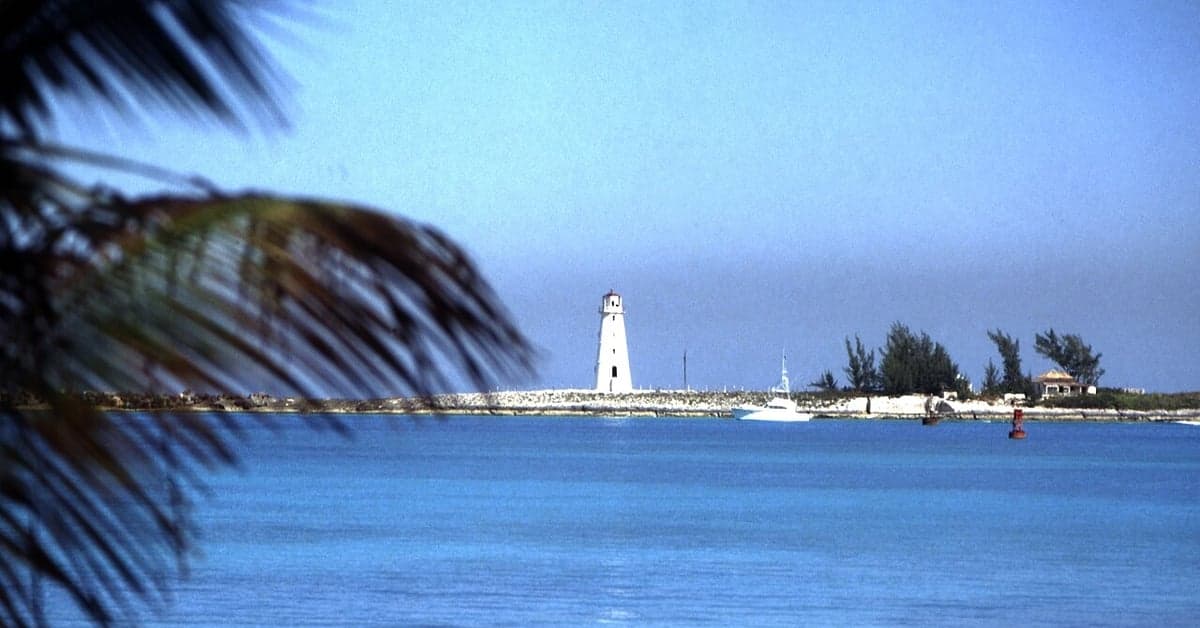
A black-sand beach at the northernmost tip of Tahiti, where Captain Cook observed the transit of Venus in 1769. A lighthouse built in 1867 still stands at the point. The beach is long and backed by ironwood trees that provide shade. The sand is fine-grained volcanic black that gets scorching in direct sun—bring sandals. Swimming is good in the protected area near the lighthouse. The site is free to visit and has parking, toilets, and a small snack bar.
Lafayette Beach (Arue)
A dark-sand beach on the north coast near the former site of the Royal Tahitian Hotel. The surf break offshore (called Taapuna) is one of the most consistent on Tahiti, attracting local surfers year-round. The beach is less about lounging and more about the atmosphere: surfers waxing boards, kids playing in the shorebreak, the smell of barbecue from weekend cookouts. A few modest snack bars along the road sell grilled chicken and fries for 800-1,000 XPF.
Papeno'o
On the northeast coast, Papeno'o is a wild, surf-facing black-sand beach where the Papeno'o River meets the ocean. This is not a swimming beach—the current is strong and the waves can be serious. But as a place to walk, watch surfers, and feel the raw power of Tahiti's coastline, it's unmatched. The valley behind leads deep into Tahiti's mountainous interior, and 4x4 tours up the Papeno'o Valley are one of the island's best excursions (around 12,000 XPF per person for a half day).
Teahupo'o
Famous worldwide as the location of one of surfing's heaviest waves, Teahupo'o sits at the end of the road on Tahiti's south coast. The village is small and unhurried. The beach itself is a narrow strip of sand and coral, but the real draw is watching the wave from the channel—boat trips to the lineup cost about 3,000-5,000 XPF per person. Even on small days, the reef pass creates beautiful water movement. The area hosted the surfing events for the 2024 Paris Olympics.
The Best Beaches on Moorea
Temae Beach
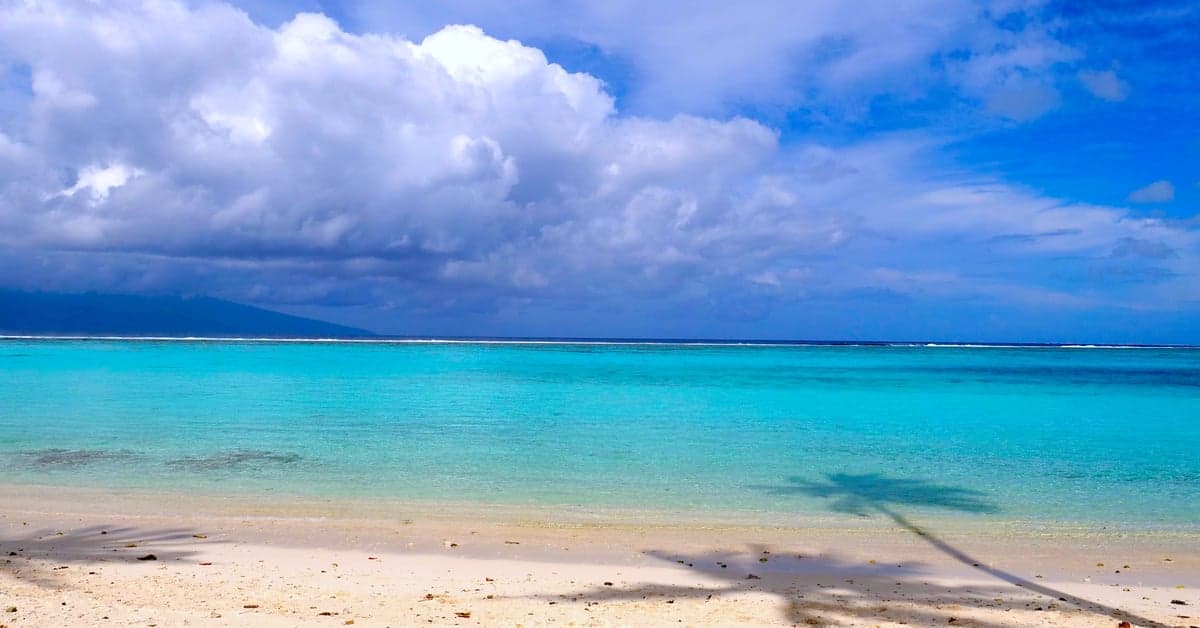
The finest beach on Moorea and one of the best in all of French Polynesia. A long sweep of white sand faces the lagoon, with Tahiti visible across the channel on clear days. The water is knee-deep for 50 meters out, then drops off at the reef edge where the snorkeling is superb—eagle rays, reef sharks, and clouds of tropical fish. The public access is at the eastern end; the Sofitel Moorea resort occupies the western section but doesn't own the beach. Arrive early. No shade and no facilities at the public end, so bring everything you need.
Ta'ahiamanu Beach
A public beach on the north coast with white sand, calm water, and picnic shelters with barbecue grills. This is where Moorea's local families spend Sundays. The atmosphere is relaxed and welcoming. The water is shallow and safe for children. A small snack stand sells drinks and sandwiches. The beach sits between the two great bays—Cook's Bay and Opunohu Bay—and the mountain views from the sand are extraordinary: green ridges sharp enough to cut the sky.
Hauru Point (Les Tipaniers)
The main tourist strip on Moorea's northwest coast. The beach runs for about a kilometre, shared between several hotels, pensions, and the public. The sand is white, the water calm, and there's a small motu (islet) about 200 meters offshore that you can kayak or swim to. Snorkeling off Hauru Point is productive—stingrays frequent the shallows, and you'll see blacktip reef sharks cruising the deeper sections. Les Tipaniers restaurant on the beach serves solid French-Polynesian fusion; the mahi-mahi with vanilla sauce (a Moorea specialty, around 2,800 XPF) is worth trying.
Opunohu Bay
More of a scenic stop than a beach day, but the small sandy patches along Opunohu Bay's shoreline are worth seeking out. The bay is deep, fjord-like, and surrounded by vertical green walls. Kayaking across the bay (rentals from about 3,000 XPF for a half day) gives you access to tiny beaches at the base of the cliffs that no road reaches. The Belvedere lookout above the bay, accessible by car or a steep hike, provides the definitive Moorea photograph.
Practical Tips for Tahiti and Moorea
Getting Between the Islands
The Aremiti and Terevau ferries run between Papeete and Moorea's Vaiare terminal multiple times daily. The crossing takes 30 minutes and costs about 1,500-2,000 XPF (13-17 USD) each way for walk-on passengers. You can bring a rental car on the ferry for an additional fee, but it's easier to rent separately on each island. Moorea is small enough that a day trip from Tahiti works, though staying at least two nights lets you enjoy the beaches at different times of day.
When to Visit
May through October is the dry season, with lower humidity and slightly cooler temperatures (24-28°C). July and August are the driest months. November through April is warmer and wetter, with occasional heavy downpours that usually pass quickly. Water temperature stays between 26-29°C year-round. Whale watching (humpbacks) is best from August to October.
Budget Realities
French Polynesia is expensive. A meal at a modest restaurant costs 1,500-3,000 XPF (13-26 USD). Overwater bungalows on Moorea start around 50,000 XPF (430 USD) per night. Budget travellers should look for pensions (family-run guesthouses) at 8,000-15,000 XPF per night, eat at roulottes (food trucks) in Papeete, and self-cater where possible. The beaches themselves are free—no admission charges anywhere.
Snorkeling and Marine Life
Both islands have excellent snorkeling directly from the beach. Temae on Moorea is the standout, but Hauru Point and Ta'ahiamanu are also productive. On Tahiti, the PK18 lagoon has good reef life. Guided snorkeling tours on Moorea typically visit stingray and shark feeding sites and cost 5,000-8,000 XPF per person. Bring your own mask and fins if you can—rental quality at shops is inconsistent.
Frequently Asked Questions
Does Tahiti have nice beaches?
Tahiti's beaches are different from the postcard image of French Polynesia. Most are black volcanic sand, which is dramatic and beautiful but not the white-sand lagoon experience. The exception is Plage de Maui (PK18) on the west coast, which has white sand and calm lagoon water. For classic white-sand beaches, take the 30-minute ferry to Moorea.
How do you get from Tahiti to Moorea?
Ferries operated by Aremiti and Terevau run multiple times daily between Papeete and Moorea's Vaiare terminal. The crossing takes 30 minutes and costs 1,500-2,000 XPF (13-17 USD) each way. You can also fly with Air Moana for about 5,000 XPF—the flight takes 7 minutes.
What is the best beach in Moorea?
Temae Beach is widely considered the best. It has a long stretch of white sand, shallow turquoise water, and excellent snorkeling at the reef edge where you can see eagle rays and reef sharks. Public access is at the eastern end of the beach. Arrive early for the best conditions and bring your own shade.
Is French Polynesia expensive?
Yes, it's one of the most expensive beach destinations in the world. Restaurant meals cost 1,500-3,000 XPF (13-26 USD), overwater bungalows start at 50,000 XPF (430 USD) per night, and rental cars run about 8,000-12,000 XPF per day. Budget options include family-run pensions (8,000-15,000 XPF/night) and eating at roulottes (food trucks).
When is the best time to visit Tahiti and Moorea?
The dry season from May through October offers the best weather with lower humidity and temperatures of 24-28°C. July and August are driest. Water temperature is warm year-round at 26-29°C. August through October adds the bonus of humpback whale watching. The wet season (November-April) is hotter and more humid but still perfectly swimmable.
Can you snorkel from the beach in Moorea?
Yes, Moorea has excellent shore snorkeling. Temae Beach is the best spot, with clear water and abundant marine life at the reef edge about 50 meters from shore. Hauru Point is another good option with stingrays and blacktip reef sharks in the shallows. Guided snorkeling tours cost 5,000-8,000 XPF per person.
How many days do you need in Moorea?
At minimum two nights to enjoy the beaches and do a snorkeling excursion. Three to four nights is ideal, giving time for beach days, a trip to the Belvedere lookout, kayaking in Opunohu Bay, and a dolphin or whale watching tour. A day trip from Tahiti is possible but feels rushed.