Table of Contents
Africa's Most Underrated Coastline
Mozambique has 2,500 kilometers of Indian Ocean coastline and almost nobody on it. While travelers flock to Zanzibar, the Seychelles, and Mauritius, Mozambique sits largely off the radar — partly because of a civil war that ended only in 1992, partly because infrastructure remains basic outside the main cities. But the beaches are extraordinary. Long, white, palm-backed, and fronting warm water filled with whale sharks, manta rays, and healthy coral reefs.
The country is changing. New lodges open each year, Maputo has developed a genuine food and nightlife scene, and direct flights connect Johannesburg to several coastal towns. But Mozambique is still firmly in the "go now before it changes" category. Prices remain reasonable by African safari-country standards, crowds are nonexistent, and the diving competes with the best in the Indian Ocean.
Tofo and Barra: The Inhambane Coast
Praia do Tofo
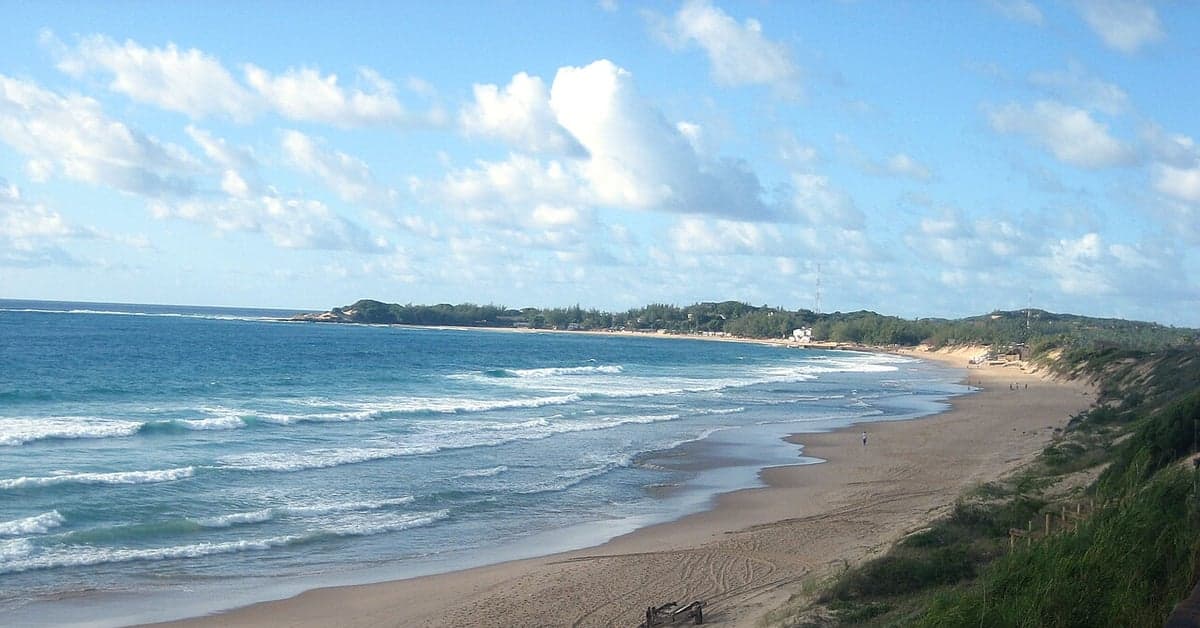
Tofo is Mozambique's backpacker and diving capital, a small town built on a crescent of white sand about 20 kilometers from Inhambane city. The beach is wide and beautiful, with consistent surf breaks that draw boarders from South Africa and beyond. But the real attraction is underwater. Tofo is one of the most reliable places on earth to swim with whale sharks — the season runs roughly October through March, with peak sightings from November to February. A two-hour ocean safari with Liquid Adventures or Peri-Peri Divers costs about 60-80 dollars per person.
Manta rays are the other headline act. Manta Reef, a short boat ride from Tofo, hosts cleaning stations where mantas circle predictably. A two-tank dive runs 70-90 dollars with equipment. Tofo's town has a scattering of beach bars and restaurants. Dino's Beach Bar is the social hub — grilled prawns with peri-peri sauce, a cold 2M beer (Mozambique's national lager), and sand between your toes. Dinner for two costs about 30-40 dollars.
Praia da Barra
Six kilometers south of Tofo, Barra sits on a long peninsula between the ocean and the Inhambane estuary. The ocean side has the same excellent sand and swimming conditions. The estuary side is flat and calm, good for kayaking and flamingo spotting. Barra Lodge has been the anchor property here for years, with chalets starting around 100-150 dollars per night. The beach in front of the lodge stretches endlessly in both directions, and finding your own empty section requires only a 10-minute walk.
The Bazaruto Archipelago
Bazaruto Island
The Bazaruto Archipelago, a chain of five islands off the coast near Vilankulo, is Mozambique's luxury destination. Bazaruto Island is the largest, with towering sand dunes, freshwater lakes, and beaches that look computer-generated. The sand is white, the water shifts from turquoise to deep blue, and dugongs — one of the ocean's rarest mammals — live in the surrounding seagrass beds.
Anantara Bazaruto Island Resort is the main property, with villas starting around 600-900 dollars per night including meals. It's expensive by any standard, but the experience is genuinely exclusive — you'll share the island's beaches with a handful of other guests and nobody else. Dhow sailing trips, snorkeling excursions, and deep-sea fishing are included or available at moderate add-on costs.
Benguerra Island
Smaller and even more remote than Bazaruto, Benguerra Island hosts two luxury lodges: Azura Benguerra and andBeyond Benguerra Island. Both properties command 700-1,200 dollars per night but deliver an all-inclusive experience with diving, snorkeling, island picnics, and meals. The snorkeling at Two Mile Reef off Benguerra's coast is world-class — coral coverage is dense, visibility exceeds 20 meters, and the fish diversity is remarkable. Benguerra's beaches are postcard-perfect and essentially private.
Northern Mozambique
Ibo Island and the Quirimbas Archipelago
The Quirimbas Archipelago in Cabo Delgado province is Mozambique's wild frontier. Ibo Island, the cultural heart of the chain, is a former colonial trading post with crumbling Portuguese-era buildings, silver workshops, and a fort dating to 1791. The beaches around Ibo are accessible by dhow at low tide, when massive sandbars emerge from the ocean. Walking across a sandbar to a tiny island surrounded by turquoise water, with nobody else in sight, is a defining Mozambique experience.
Ibo Island Lodge occupies three restored mansion houses and charges about 250-350 dollars per night including meals and activities. The dhow safaris through the archipelago, with stops for snorkeling and beach picnics on uninhabited islands, are the highlight. Read this before planning a trip here: Cabo Delgado has had an armed insurgency since 2017, and Canada's government advises avoiding all travel to the province, Ibo and the Quirimbas included (advice updated July 13, 2026). Unless that advice changes, treat this section as background rather than a plan; the Bazaruto Archipelago in the south offers similar island and dhow trips.
Pemba and Wimbe Beach
Pemba, the capital of Cabo Delgado province, sits on one of the world's largest natural harbors. Wimbe Beach, about 5 kilometers from the city center, is a long stretch of white sand backed by palm trees and a handful of beach restaurants. The water is warm and calm. Pieter's Place on Wimbe Beach serves cold beer and grilled fish in a laid-back setting — expect to pay about 15-20 dollars for a full meal. Pemba was the jumping-off point for the Quirimbas, but Canada's government now advises avoiding non-essential travel to Pemba city and all travel to the rest of Cabo Delgado province (July 2026), so check the current advice before you go.
Southern Coast
Ponta do Ouro
At Mozambique's southern tip, barely across the border from South Africa's KwaZulu-Natal province, Ponta do Ouro draws South African weekenders who make the drive from Durban (about 5 hours via the Kosi Bay border). The beach is pristine, the water warm, and the diving at Pinnacles reef features regular encounters with bull sharks, potato bass, and moray eels. Dolphins are abundant — swimming with wild dolphins is a major draw, with operators charging about 40-50 dollars per trip. Accommodation leans toward self-catering lodges and campsites, with rates from 30-80 dollars per night.
Vilankulo
The mainland gateway to the Bazaruto Archipelago, Vilankulo has its own appealing beach along a long bay. The water is shallow and warm, and dhows bob in the harbor waiting for the afternoon trade winds. The town has grown in recent years — a few quality guesthouses and restaurants now operate, and the vibe mixes backpacker grit with upmarket safari-traveler polish. Cafe Mozambique on the beachfront serves good seafood curries for about 500-700 MZN (8-11 dollars). Flights connect Vilankulo to Maputo and Johannesburg.
Practical Tips
When to Visit
May through November (dry season) offers the most reliable weather. Water visibility peaks from August to November. Whale shark and manta ray season in Tofo runs October through March. The wet season (December-April) brings afternoon thunderstorms, higher humidity, and occasionally cyclones along the northern coast. Water temperatures stay between 24-28°C year-round.
Health and Safety
Malaria is present throughout Mozambique, including coastal areas. Anti-malarial medication is essential — consult a travel health clinic at least four weeks before departure. Use DEET-based repellent and sleep under treated mosquito nets. Tap water is not safe to drink; stick to bottled or filtered water. Petty crime exists in cities, particularly Maputo; beach areas are generally safer but don't leave valuables unattended.
Getting Around
Domestic flights connect Maputo to Vilankulo (LAM Mozambique Airlines, about 150-250 dollars one-way), Inhambane, and Pemba. Roads between Maputo and Inhambane are paved and reasonable. North of Inhambane, road quality deteriorates. A 4x4 is necessary for most beach access roads. Alternatively, small charter flights reach remote destinations but add significant cost — expect 300-600 dollars per person for transfers to the archipelagos.
Money
The Mozambican metical (MZN) is the local currency. ATMs exist in Maputo, Inhambane, Vilankulo, and Pemba but are unreliable outside those cities. Bring U.S. dollars or South African rand as backup — both are widely accepted at tourist establishments. Credit cards work at upmarket lodges but almost nowhere else. Budget 50-80 dollars per day for mid-range travel including accommodation, meals, and one activity.
Frequently Asked Questions
Is Mozambique safe for tourists?
The usual beach areas are in the south and centre (Maputo, Inhambane, Tofo, Vilankulo, Bazaruto). Canada's government advises a high degree of caution across the country (updated July 13, 2026), avoiding all travel to Cabo Delgado province except Pemba city, where it advises avoiding non-essential travel, and avoiding some districts of Nampula and Niassa because of militant attacks. Protests can turn violent, especially around elections. Check your own government's travel advisory before booking. Standard precautions against petty crime apply in cities.
When is whale shark season in Mozambique?
Whale shark season in Tofo runs from October through March, with peak sightings from November to February. Ocean safaris to spot and swim with whale sharks cost 60-80 dollars per person and last about two hours. Sighting rates during peak season are high — most operators report success on over 80% of trips. Manta rays are present year-round but most common from May to November.
How much does a trip to Mozambique cost?
Mid-range travel costs about 50-80 dollars per day for accommodation, meals, and one activity. Budget backpacker travel in Tofo can run 25-40 dollars per day. Luxury lodge stays in the Bazaruto Archipelago start at 600-1,200 dollars per night all-inclusive. Flights from Johannesburg to Maputo cost 200-400 dollars round trip. Domestic flights add 150-250 dollars per sector.
Do you need a visa to visit Mozambique?
Citizens of the US, Canada, the UK and many European countries can now visit for up to 30 days without a visa, but must get an Electronic Travel Authorization online at least 48 hours before departure and pay a fee on arrival. South African citizens receive 30 days visa-free. Requirements change frequently — verify current rules with the nearest Mozambique embassy before travel.
What is the best diving in Mozambique?
Tofo offers the best value diving with whale sharks, manta rays, and reef dives at 70-90 dollars for two tanks. Two Mile Reef off Benguerra Island in the Bazaruto Archipelago has the healthiest coral. Ponta do Ouro in the south features bull shark encounters at Pinnacles reef. The Quirimbas Archipelago has pristine, rarely-dived reefs, though it lies in Cabo Delgado, where travel is currently advised against. Visibility ranges from 15-30 meters depending on season and location.
Is malaria a risk at Mozambique beaches?
Yes. Malaria is present throughout Mozambique, including all coastal and beach areas. Anti-malarial prophylaxis is strongly recommended — common options include Malarone (atovaquone/proguanil) or doxycycline. Use DEET-based insect repellent, wear long sleeves at dusk and dawn, and sleep under treated mosquito nets. Consult a travel health clinic at least four weeks before departure.
How do you get to the Bazaruto Archipelago?
Fly to Vilankulo from Maputo (LAM Airlines, about 150-250 dollars one-way) or Johannesburg (Airlink). From Vilankulo, lodge transfers to Bazaruto and Benguerra islands go by speedboat (30-45 minutes) or small charter aircraft. Most luxury lodges include island transfers in their rates. Independent travelers can arrange dhow or speedboat transfers through Vilankulo operators for 50-100 dollars per person.