The Best Beaches in Cozumel: A Snorkeler's Paradise
Table of Contents
Prices in this guide are approximate and change often. Check with the hotel, airline or operator before you book.
Why Cozumel's Beaches Are Built for Snorkeling
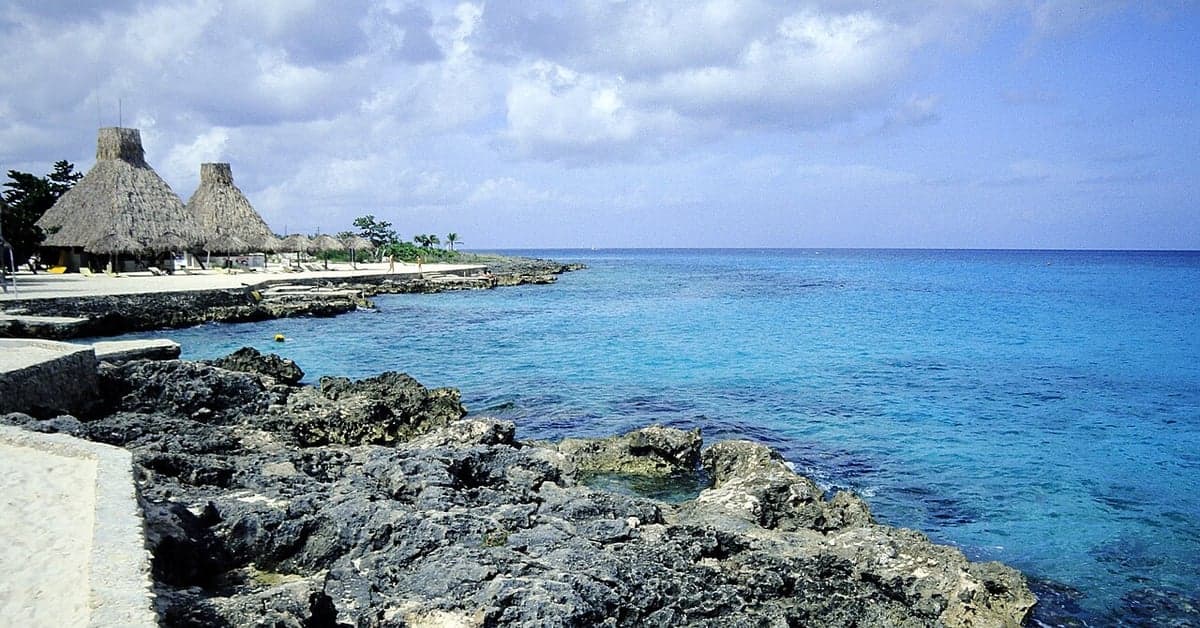
Cozumel sits 20 kilometers off the Yucatan Peninsula in the Caribbean, surrounded by part of the Mesoamerican Barrier Reef, the second-largest reef system in the world. The island's western (leeward) coast is sheltered from the open Caribbean, producing calm, clear water with visibility regularly exceeding 30 meters. The eastern (windward) coast faces the open ocean with rougher conditions but more dramatic scenery.
This combination of reef proximity, calm water, and exceptional visibility makes Cozumel one of the top snorkeling destinations in the Western Hemisphere. Jacques Cousteau put the island on the diving map in the 1960s, and the reefs have been protected as a national marine park since 1996. Whether you snorkel from the beach, a boat, or a pier, you are likely to see parrotfish, angelfish, barracuda, sea turtles, eagle rays, and brain coral formations that have been growing for centuries.
West Coast: The Snorkeling Beaches
Playa Palancar
Palancar Beach sits on the southwest coast near the famous Palancar Reef, one of the most celebrated dive and snorkel sites in the Caribbean. The beach itself has white sand, palm trees, and a beach club that charges 300-500 MXN ($17-28 USD) for a daybed with food and drink minimums. The snorkeling from shore is decent, with scattered coral heads in shallow water, but the real Palancar reef experience requires a boat trip to the deeper reef formations 200-400 meters offshore.
Boat snorkel trips to Palancar Reef depart from the beach and cost 500-800 MXN ($28-45 USD) per person for a two-stop tour. The reef features towering coral formations, swim-through passages, and dense fish populations. Visibility is typically 25-40 meters. This is the single best snorkeling experience available from any Cozumel beach.
Playa Corona (El Cielo)
El Cielo ("The Sky") is a shallow sandbar area near Playa Corona with waist-deep water, white sand bottom, and hundreds of starfish. Reaching El Cielo requires a short boat ride (included in most snorkel tours), and the experience of wading through crystal-clear water surrounded by starfish is surreal. Do not pick up or stand on the starfish; they are alive, fragile, and protected. The shallowness makes El Cielo accessible to non-swimmers and families with children.
Playa Corona itself is a small beach with a laid-back beach club and shore snorkeling over a reef that starts about 20 meters from the sand. The reef here is in good condition with sea fans, barrel sponges, and frequent turtle sightings.
Dzul Ha / Money Bar Beach
Money Bar is one of the best shore-entry snorkeling spots on Cozumel. The reef starts immediately from the rocky entry point (water shoes required), and within a few meters you are swimming over healthy coral with fish density that rivals many boat-based snorkel sites. Spotted eagle rays patrol the sandy channels between coral formations, and nurse sharks occasionally rest under ledges.
The beach club at Money Bar offers free snorkel access with a food and drink purchase (minimum varies). Snorkel gear rental is 150-200 MXN ($8-11 USD). The entry can be awkward over rocks, so this is better suited to confident swimmers than small children or beginners. Once in the water, the snorkeling is exceptional for a shore-based site.
Chankanaab Beach Adventure Park
Chankanaab is a national park with controlled beach access, a saltwater lagoon, and snorkeling over a protected reef section. Entrance costs 600-700 MXN ($34-40 USD) per person, which includes beach access, locker use, and the botanical garden. Snorkel gear rental is additional at 150-250 MXN. The reef within the park is well-protected and features underwater sculptures alongside natural coral formations.
The controlled access means Chankanaab never feels overcrowded despite being one of Cozumel's most popular beach parks. It is a good option for families and first-time snorkelers who want calm, patrolled waters with on-site facilities.
East Coast: The Wild Side
Playa Chen Rio
The east coast of Cozumel faces the open Caribbean and is generally too rough for swimming, with strong currents and no reef protection. The exception is Playa Chen Rio, where a natural rock formation creates a sheltered pool that is safe for swimming and wading. The beach has a restaurant serving fresh ceviche and grilled fish for 150-300 MXN ($8-17 USD), and the overall atmosphere is local and relaxed, far removed from the cruise ship tourism of the west coast.
The wild east coast is worth a drive for the scenery alone. The road runs along the coast through undeveloped land with crashing waves, rocky shoreline, and views across the open Caribbean. Rent a car or scooter to explore the full circuit; the island is only 48 by 16 kilometers and the drive takes 2-3 hours with stops.
Punta Sur Eco Beach Park
Punta Sur at the southern tip of the island is an ecological park with a lighthouse, crocodile habitat, and a beach that stretches for several kilometers along the southeast coast. Swimming is limited to designated areas due to currents, but the beach is wide, empty, and dramatically beautiful. Entry costs 300-400 MXN ($17-23 USD). The lighthouse provides panoramic views of the reef system stretching south toward Belize.
Town Beaches
Playa del Carmen (San Miguel)
The waterfront in Cozumel's main town of San Miguel has a narrow beach and a pedestrian malecon (boardwalk) lined with shops and restaurants. This is not a destination beach but a convenient spot for a quick swim after exploring the town or waiting for a ferry. The water is calm and clear, though boat traffic limits the swimming area. The real attraction is the town itself: the central plaza, the waterfront restaurants, and the market where you can buy souvenirs at better prices than the cruise port shops.
Practical Information
Getting There
Cozumel has its own international airport (CZM) with direct flights from US cities including Dallas, Houston, Charlotte, and Atlanta. Most visitors arrive via ferry from Playa del Carmen on the mainland (45 minutes, $200-300 MXN each way, multiple daily departures). From Cancun airport, a bus or shuttle to Playa del Carmen takes about an hour, followed by the ferry crossing.
Getting Around
Rent a car ($35-60 USD per day), scooter ($25-40 USD per day), or use taxis. The island is small enough to drive the perimeter road in 2-3 hours. Taxis are abundant but do not use meters; confirm the price before getting in. The west coast beach clubs are spread along the coastal road south of town, each roughly 5-15 minutes apart by car.
Best Time for Snorkeling
The clearest water conditions occur from March through June, with visibility regularly exceeding 40 meters. July and August bring warmer water and occasional plankton blooms that reduce visibility to 15-25 meters (still excellent by most standards). Hurricane season runs June through November, with September and October being the highest-risk months. See the hurricane risk by month for 2026. Whale sharks visit the waters between Cozumel and the mainland from June through September. Check the Cozumel Marine Park website for reef protection guidelines.
Protecting the Reef
Cozumel's marine park regulations prohibit touching coral, standing on the reef, feeding fish, and using chemical sunscreen. Use reef-safe mineral sunscreen (zinc oxide only). Do not anchor on coral. Maintain buoyancy control while snorkeling to avoid accidental contact. The reefs are in better condition than many Caribbean sites precisely because of these protections; respect them to ensure they remain that way. For more Caribbean beach destinations, see our Turks and Caicos guide.
Frequently Asked Questions
Do you need a boat to snorkel in Cozumel?
No. Several excellent snorkel sites are accessible from shore, including Money Bar/Dzul Ha, Playa Corona, and Chankanaab Park. Shore snorkeling is free or low-cost and can be done at your own pace. However, the best reef formations (Palancar, Colombia, El Cielo) require a boat. A typical two-stop boat snorkel tour costs $28-45 USD per person.
What is the best month to snorkel in Cozumel?
March through June offers the clearest visibility (30-45 meters) and calmest conditions. Water temperature is 26-28 degrees Celsius. July-August is warmer with slightly reduced visibility from plankton. September-November is hurricane season with unpredictable conditions. December-February has good visibility but cooler water (25-26 degrees) and occasional cold fronts that reduce visibility temporarily.
Is it safe to swim on Cozumel's east coast?
Most of Cozumel's east coast is dangerous for swimming due to strong currents and no reef protection. Playa Chen Rio is the main exception, with a natural rock formation creating a sheltered swimming pool. Even at Chen Rio, stay within the protected area. Never swim on the open east coast beaches regardless of how calm they appear; undertows are powerful and unpredictable.
How much does it cost to visit Cozumel's beach clubs?
Beach clubs charge either an entrance fee (200-700 MXN / $11-40 USD) or operate on a food and drink minimum (300-500 MXN / $17-28 USD). Most include a lounge chair and shade. Snorkel gear rental adds 150-250 MXN. A full beach club day with food, drinks, and snorkeling typically runs $50-80 per person. Free public beaches exist but have no facilities.
Do you need to bring your own snorkel gear to Cozumel?
Rental gear is widely available at beach clubs, dive shops, and tour operators for 150-250 MXN per day. Quality is generally good. If you snorkel frequently, bringing your own mask ensures a proper fit and eliminates fogging issues. Fins and snorkel tubes are less critical to own. Prescription mask users should bring their own, as rental shops rarely stock corrective lenses.
Can you see sea turtles snorkeling in Cozumel?
Yes. Green sea turtles and hawksbill turtles are common at multiple snorkeling sites, including Money Bar, Playa Corona, Chankanaab, and Palancar Reef. Turtles feed on seagrass and sponges, so they tend to stay in the same areas. Maintain a 3-meter distance and do not chase them. Morning snorkeling sessions (before 10 AM) tend to have the most turtle activity.
How do you get from Cancun to Cozumel?
Take an ADO bus or shuttle from Cancun airport to Playa del Carmen (60-75 minutes, $100-200 MXN), then the passenger ferry from Playa del Carmen to Cozumel (45 minutes, $200-300 MXN each way). Total travel time is about 2.5-3 hours. Alternatively, fly direct to Cozumel airport from several US cities or from Cancun on a short domestic flight.