The Best Beaches in Asia: Sandy Paradises Unveiled
Table of Contents
Asia's coastline stretches across thousands of miles, tracing a path from the tropical archipelagos of Southeast Asia to the sun-drenched shores of the Indian subcontinent. Along this vast expanse, some of the world's most spectacular beaches await, each offering a distinct blend of natural beauty, vibrant culture, and warm hospitality that makes this continent a paradise for beach lovers.
Bali, Indonesia
Seminyak Beach
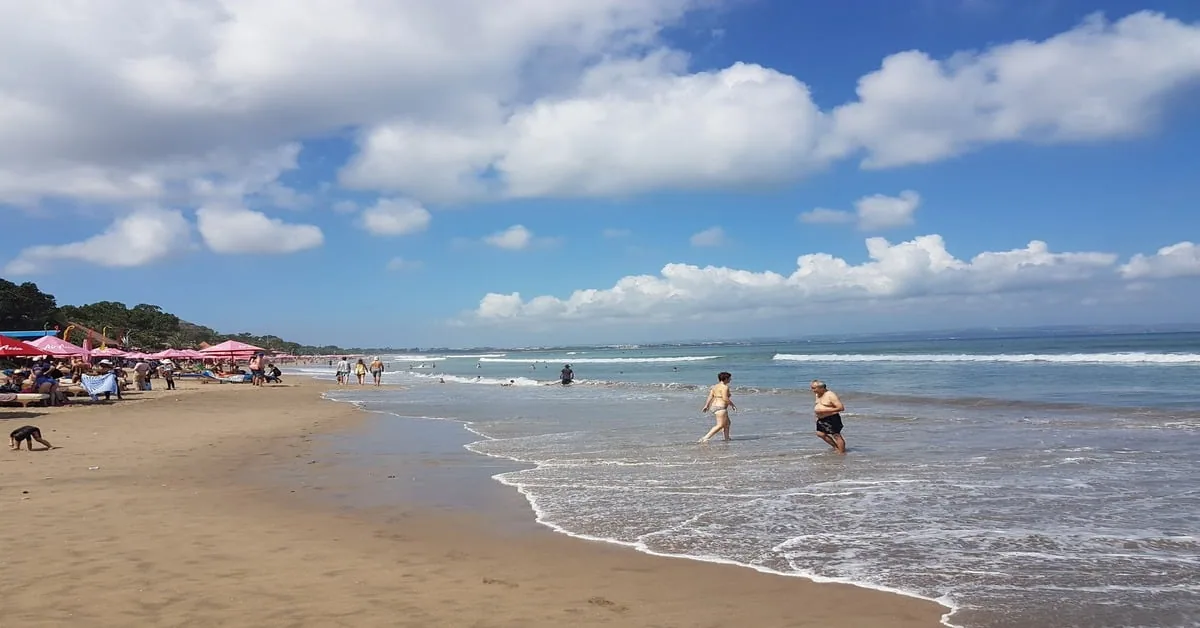
Seminyak Beach is where Bali's sophisticated side meets the sea. This fashionable stretch of sand is lined with upscale beach clubs, boutique hotels, and restaurants that serve everything from wood-fired pizza to traditional Balinese fare. As the sun sets, the entire beachfront glows amber, and the silhouettes of surfers riding the last waves of the day create a scene that feels almost cinematic.
The beach itself is wide and inviting, though the surf can be powerful. Beach clubs like Potato Head and Ku De Ta offer stylish daybeds, infinity pools, and cocktail menus that could fill a small book. This is the place to see and be seen in Bali.
Nusa Dua Beach
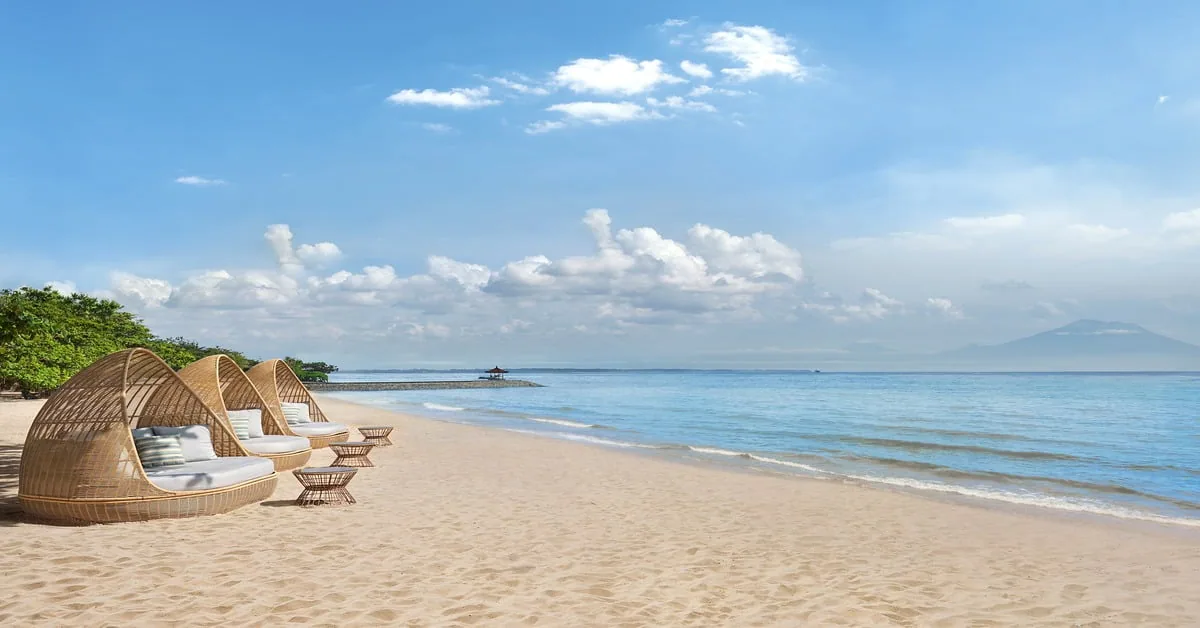
If Seminyak is the lively extrovert, Nusa Dua is the composed, elegant counterpart. The water here is remarkably calm, sheltered by an offshore reef that turns the bay into a natural swimming pool of crystalline blue. Luxury resorts line the shore, their manicured grounds blending seamlessly with the white sand.
Nusa Dua is ideal for families and travelers seeking tranquility without sacrificing comfort. Water sports abound, from parasailing to jet skiing, and the nearby Water Blow, a natural rock formation where waves crash spectacularly against limestone cliffs, is a must-see.
Phuket, Thailand
Patong Beach
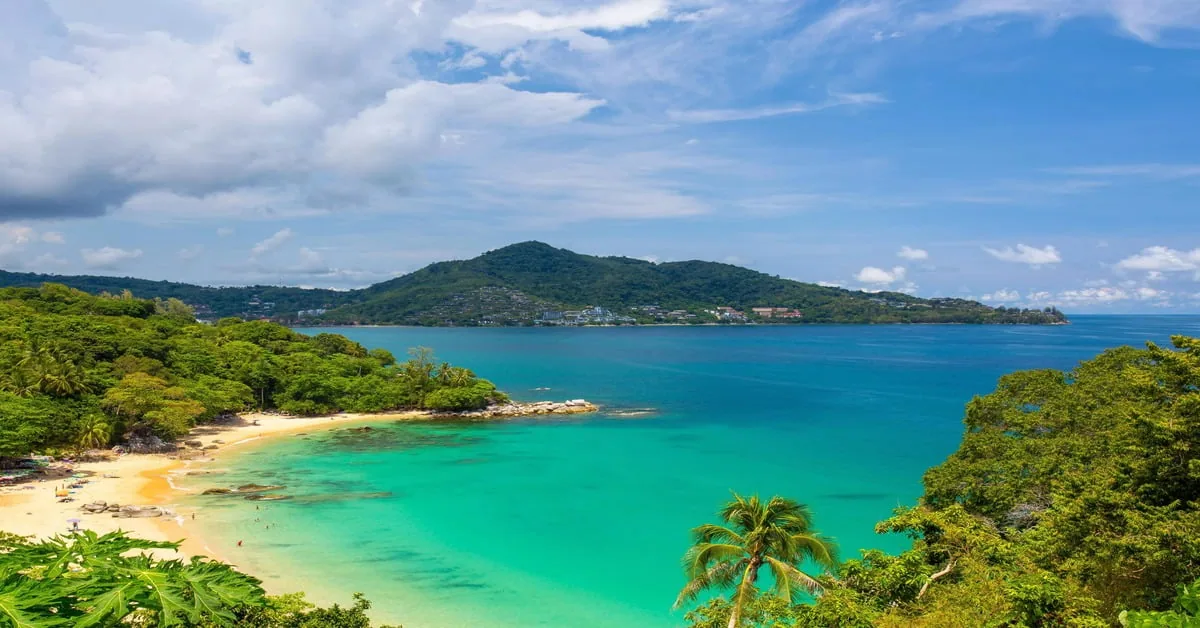
Patong Beach is the beating heart of Phuket's tourism scene. By day, the wide crescent of sand fills with sunbathers, swimmers, and vendors selling fresh mango and coconut water. The water is warm year-round, and the gentle slope of the seabed makes it perfect for wading in at your own pace.
By night, the energy shifts dramatically. Bangla Road erupts into a carnival of neon lights, thumping music, and street performers. Thai boxing matches, rooftop bars, and night markets selling everything from silk scarves to sizzling pad Thai keep the streets alive until the early hours.
Kata Beach
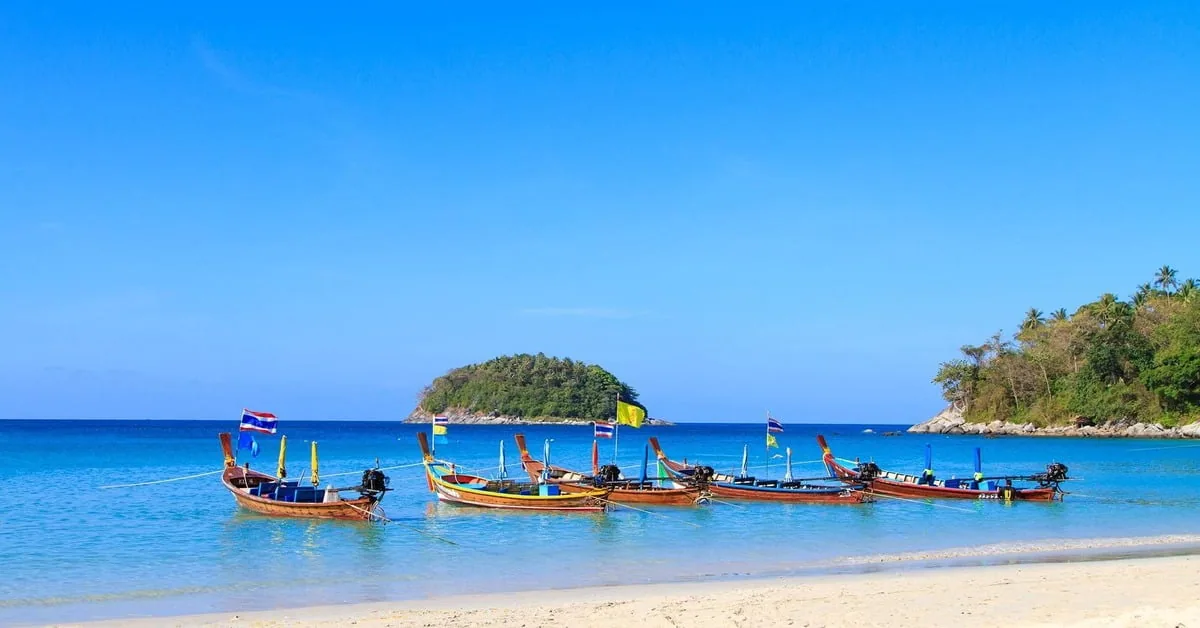
Just south of Patong, Kata Beach offers a more relaxed atmosphere while still providing plenty to do. The sand here is soft and golden, the water is inviting, and during the monsoon season, the waves attract surfers from around the world. A small island just offshore creates a beautiful focal point for sunset photographs.
Kata's dining scene punches well above its weight. Seafood restaurants line the beachfront road, serving whole grilled fish, spicy tom yum soup, and green curries that make your taste buds sing. The village atmosphere feels authentically Thai, a refreshing contrast to the bustle of Patong.
Boracay, Philippines
White Beach
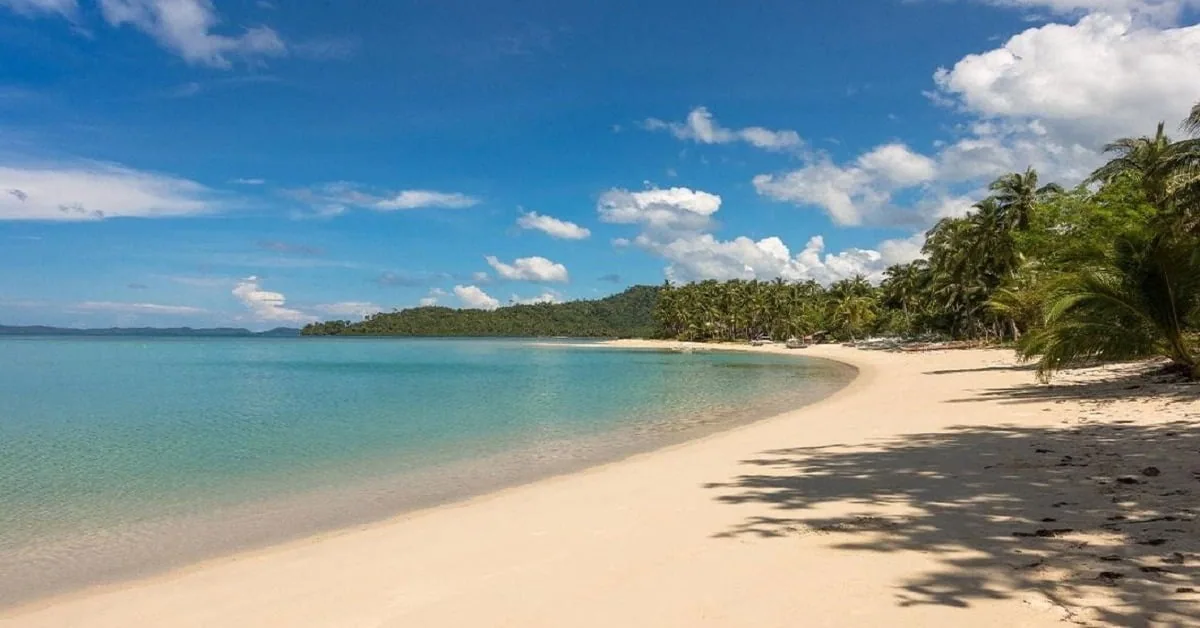
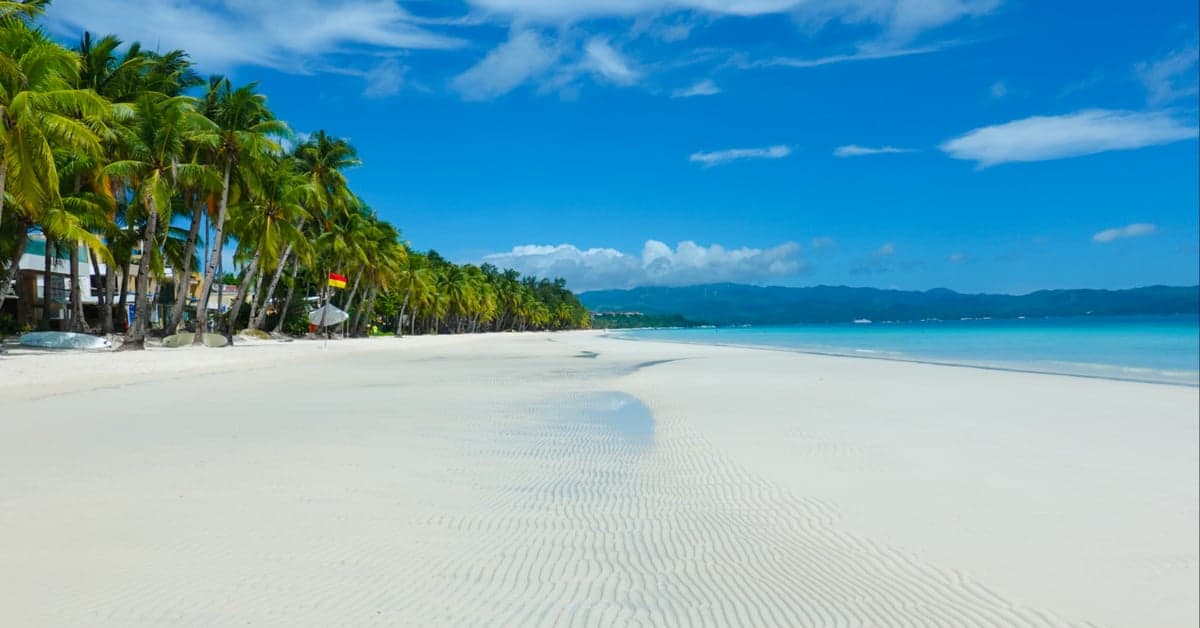
White Beach on Boracay Island is the kind of beach that makes you question whether you are dreaming. The sand is so fine and pale it resembles powdered sugar, and it stays cool underfoot even under the midday sun. The shallow turquoise water stretches far from shore, creating a vast wading area that glimmers like liquid glass.
Divided into three stations, White Beach caters to every traveler. Station 1 is quieter and more upscale. Station 2 is the vibrant center of activity with restaurants, bars, and shops. Station 3 offers budget-friendly accommodations and a more laid-back feel. All three share the same impossibly beautiful sand.
Puka Shell Beach
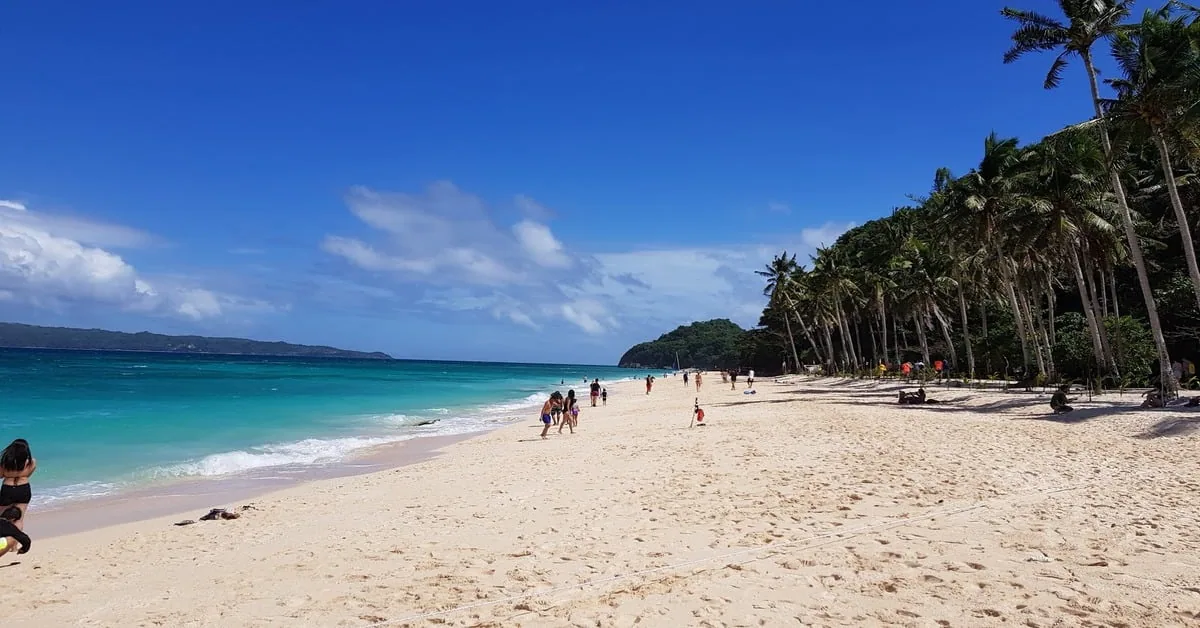
On the island's northern tip, Puka Shell Beach offers a wilder, less manicured alternative. Named for the tiny puka shells that wash ashore, this beach feels genuinely undiscovered compared to its famous southern neighbor. The waves are slightly rougher, the crowd is thinner, and the coconut palms lean dramatically over the sand.
Bring a picnic and a good book, because Puka Shell Beach rewards those who linger. The absence of beach clubs and loud music means you can hear nothing but waves, wind, and the occasional call of a tropical bird. It is Boracay at its most natural.
Andaman Islands, India
Radhanagar Beach
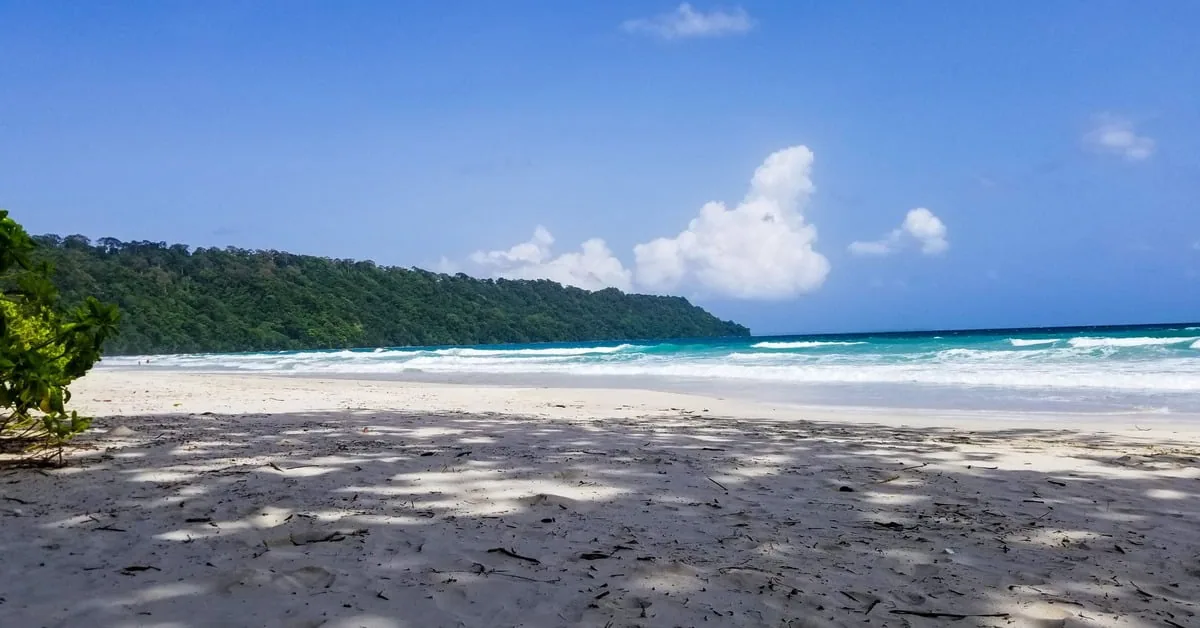
Radhanagar Beach on Havelock Island has been called one of Asia's finest beaches, and the moment you set foot on its broad, clean sweep of white sand, you will understand why. Dense tropical forest rises behind the beach, creating a lush green backdrop that makes the turquoise water pop with even greater intensity.
The beach faces west, meaning sunsets here are extraordinary. The sky erupts in shades of tangerine, rose, and deep violet as the sun sinks into the Bay of Bengal. Swimming is excellent during calm season, and the relative remoteness of the Andaman Islands means you will often have large stretches of sand to yourself.
Vietnam
Mui Ne
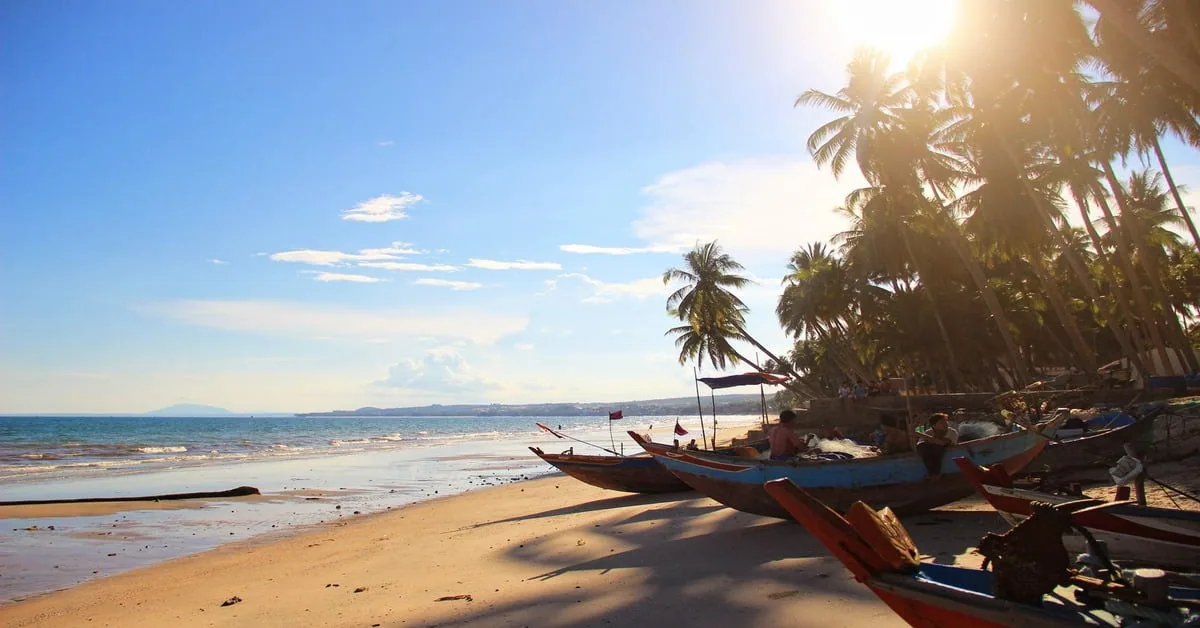
Mui Ne is a coastal town that feels like a secret shared among those who love wind, waves, and wide-open spaces. The beach stretches for miles, backed by striking red and white sand dunes that look like they belong in the Sahara rather than Southeast Asia. Kitesurfers and windsurfers flock here for the consistent breezes that whip across the bay.
The fishing village at Mui Ne's eastern end is a feast for the senses. Hundreds of colorful round basket boats bob in the harbor, fishermen mend their nets in the early morning light, and the scent of grilled seafood drifts from the beachside restaurants. It is Vietnam at its most photogenic.
Hoi An
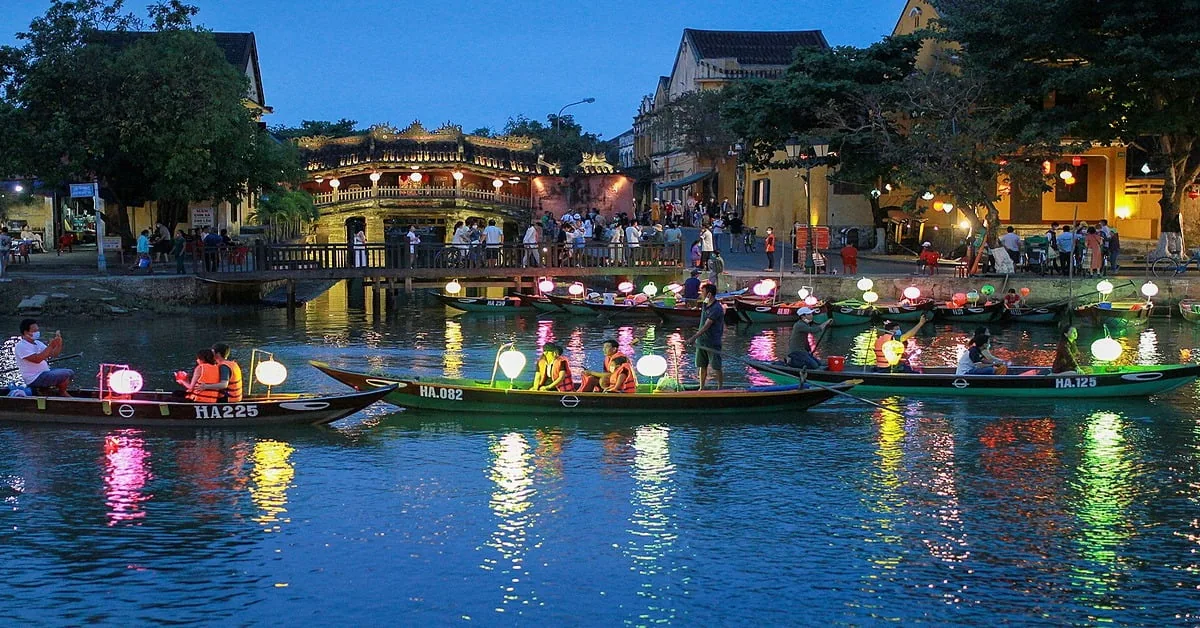
Hoi An is best known for its enchanting old town, a UNESCO World Heritage Site draped in silk lanterns and steeped in centuries of trading history. But the beaches just a short bicycle ride from town are a revelation. An Bang Beach and Cua Dai Beach offer golden sand, gentle waves, and a fraction of the crowds you will find at more famous destinations.
Spend a morning on the beach, then cycle into town for a bowl of cao lau noodles, a custom-tailored shirt from one of the legendary tailors, and a stroll through streets that glow with hundreds of handmade lanterns after dark. The combination of beach and culture here is unmatched.
Sri Lanka
Galle and the Southern Coast
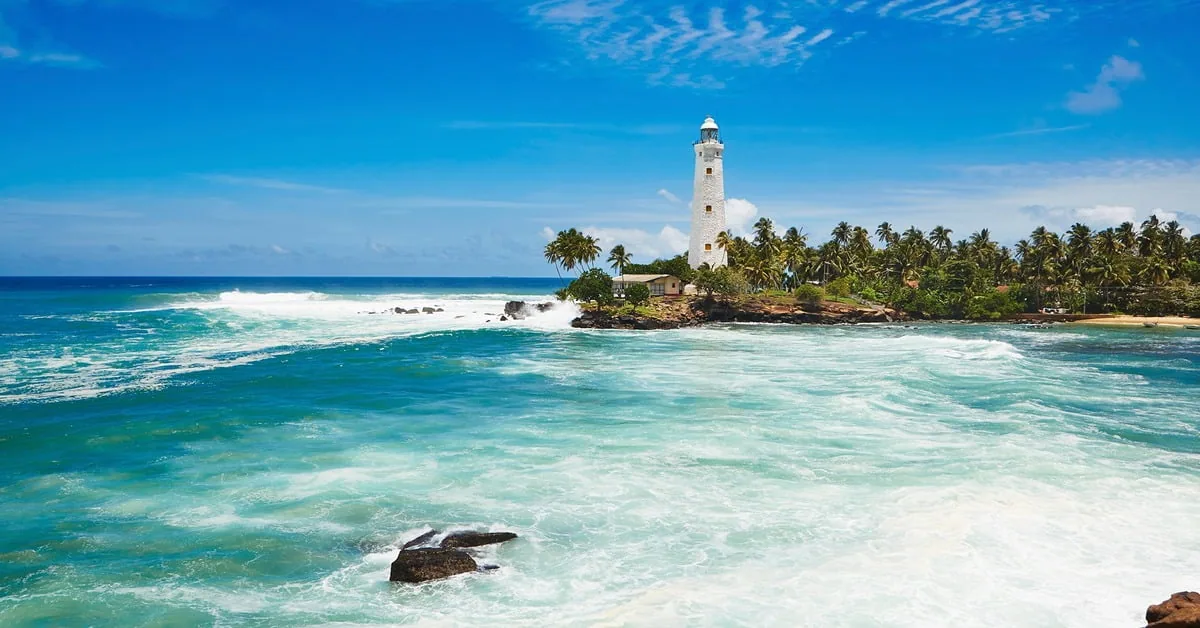
Sri Lanka's southern coast is a treasure chest of palm-fringed beaches, ancient fortresses, and warm smiles. The colonial-era Galle Fort, perched on a rocky promontory, overlooks a coastline where golden beaches stretch in both directions. Unawatuna, just minutes from the fort, offers a sheltered bay ideal for swimming and snorkeling.
Further east, the beaches of Mirissa and Tangalle grow quieter and even more beautiful. Mirissa is a prime spot for whale watching between November and April, when blue whales and spinner dolphins cruise the deep waters offshore. Fresh seafood barbecues on the beach at sunset are a nightly tradition along this coast.
Siargao, Philippines
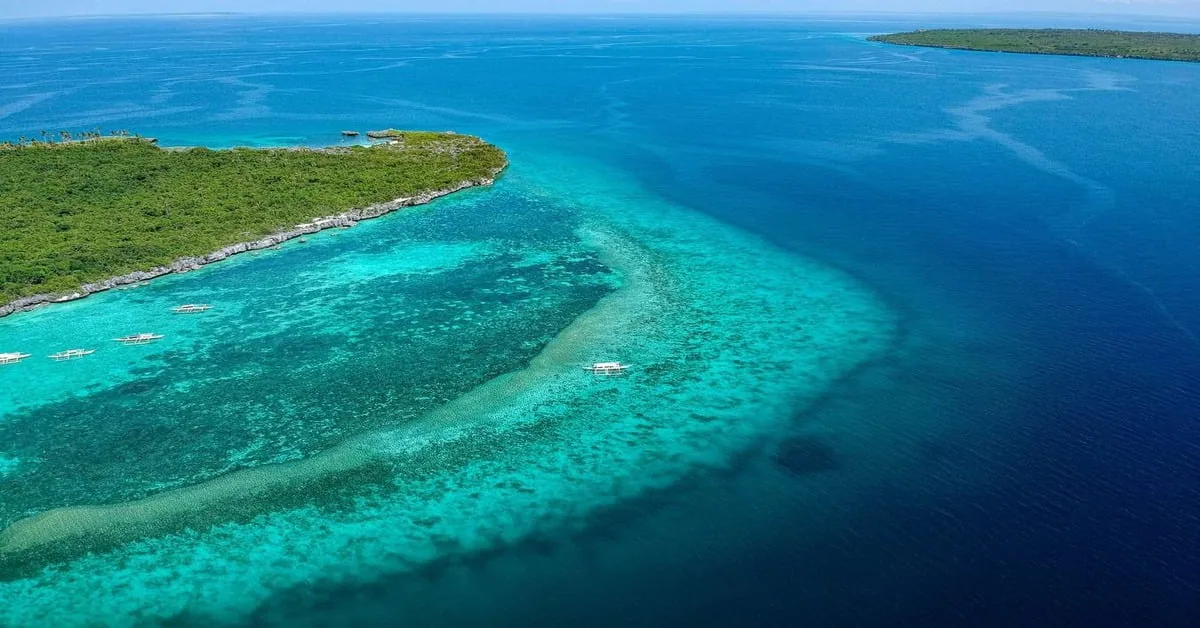
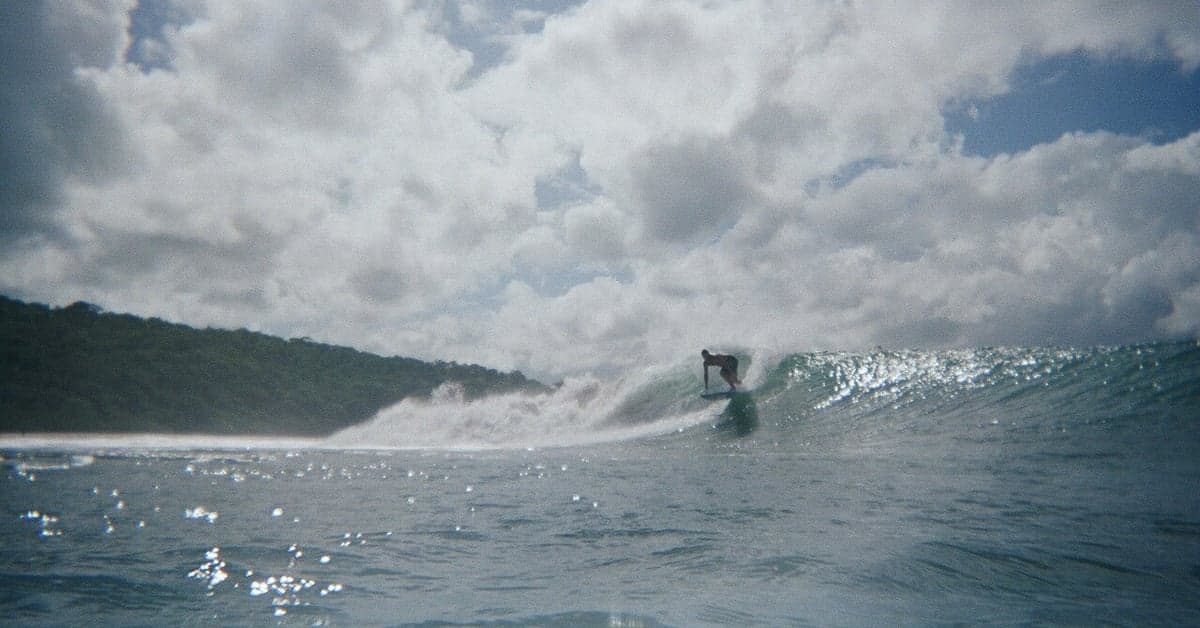
Siargao has emerged as one of Southeast Asia's most exciting beach destinations. Known primarily as the surfing capital of the Philippines thanks to the legendary Cloud 9 break, this teardrop-shaped island also boasts coconut palm forests, tidal pools, and lagoons of such vivid blue they look digitally enhanced.
The island's bohemian atmosphere attracts a creative, adventurous crowd. Surf in the morning, island-hop by boat in the afternoon, and dance barefoot at a beach party under the stars at night. Despite its growing popularity, Siargao retains a raw, unspoiled charm that many of Asia's beach destinations have lost.
Koh Rong, Cambodia
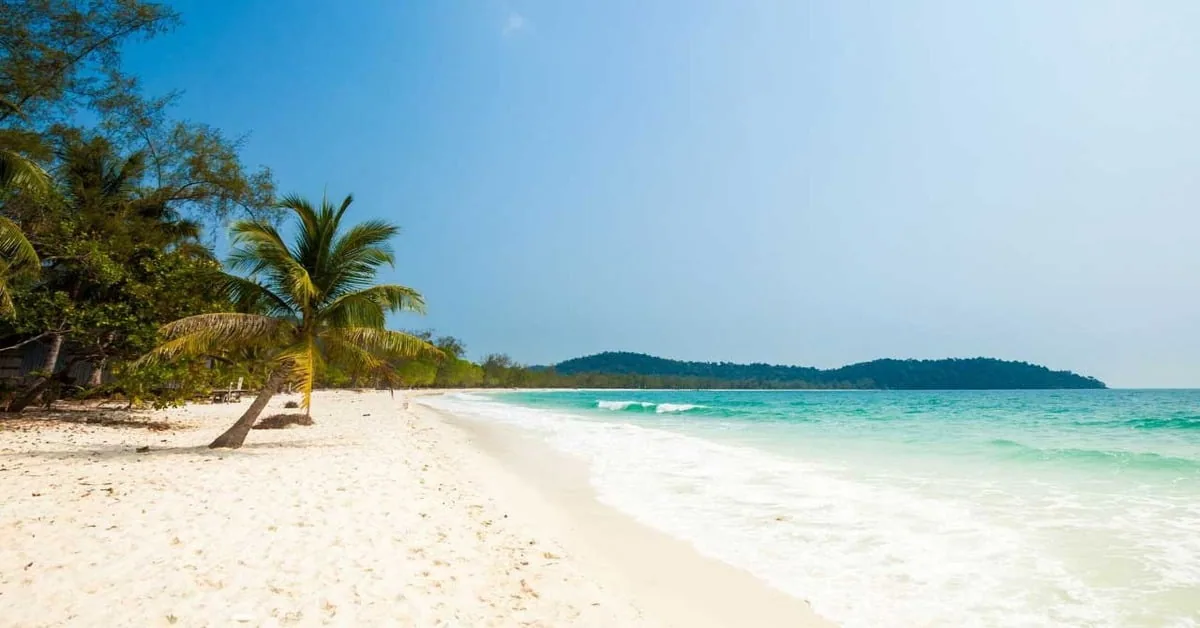
Koh Rong is Cambodia's island paradise, a place where jungle-covered hills tumble down to beaches so white and empty they feel almost otherworldly. Long Beach, stretching nearly five miles along the island's western coast, is one of those rare places where you can walk for an hour without encountering another soul.
The island's bioluminescent plankton is a magical surprise. Wade into the water on a dark night and watch the sea light up with every movement, as if the ocean itself is filled with tiny blue stars. Accommodations range from simple beach bungalows to eco-resorts, all sharing the same spectacular natural setting.
Tips for Beach Travel in Asia
- Research the best seasons for each destination, as monsoon patterns vary widely across Asia
- Pack light, breathable clothing along with a quality reef-safe sunscreen
- Respect local customs, particularly regarding dress codes at temples and religious sites
- Try street food fearlessly but stick to vendors with high turnover for the freshest meals
- Learn a few words in the local language, as even a simple greeting opens doors
Asia's beaches are as diverse as the continent itself. From the polished luxury of Bali to the untamed wilderness of Koh Rong, every shoreline offers its own version of paradise. The hardest part is choosing where to go first.
Frequently Asked Questions
What is the best beach in Asia?
Railay Beach in Thailand, El Nido in the Philippines, and Radhanagar Beach on Havelock Island in India consistently rank among Asia's best. Each offers powder-white sand, turquoise water, and dramatic limestone scenery, though they vary in accessibility and crowd levels.
What is the cheapest Asian country for a beach vacation?
Vietnam, Cambodia, and Indonesia are the most affordable options, with daily budgets of $30-50 covering accommodation, food, and transport. Thailand is slightly more expensive but still very budget-friendly at $40-60 per day outside peak season.
Is it safe to swim at beaches in Southeast Asia?
Most popular beaches in Southeast Asia are safe for swimming, but always check for local flags and warnings. Rip currents can occur at exposed beaches in Bali, Sri Lanka, and parts of Thailand. Jellyfish are a concern in some areas from October to April, so pack a rash guard.
When is the best time to visit beaches in Asia?
November through March is ideal for most Southeast Asian beaches, offering dry weather and calm seas. For East Asian beaches like Okinawa or South Korea, June through September is peak season. The Maldives is best from December through April.
Do you need a visa to visit beach destinations in Asia?
Most Asian beach destinations offer visa-free entry or visa-on-arrival for US, Canadian, and EU passport holders. The Philippines gives most of these passports 30 days visa-free, Thailand lets them in visa-free (the permitted stay has changed in recent years, so check before you go), Indonesia sells a visa on arrival or an e-visa online, and Vietnam requires an e-visa ($25) obtained online before arrival.
What are the most underrated beaches in Asia?
Koh Rong in Cambodia, Nacpan Beach in the Philippines, and the Gili Islands in Indonesia remain less crowded than their famous neighbors. Con Dao in Vietnam and Tangalle in Sri Lanka also offer stunning coastlines without the tourist masses.