San Andrés Island: Colombia's Sea of Seven Colors
Table of Contents
Prices in this guide are approximate and change often. Check with the hotel, airline or operator before you book.
San Andrés Island: Caribbean Colombia 770 Kilometers from the Mainland
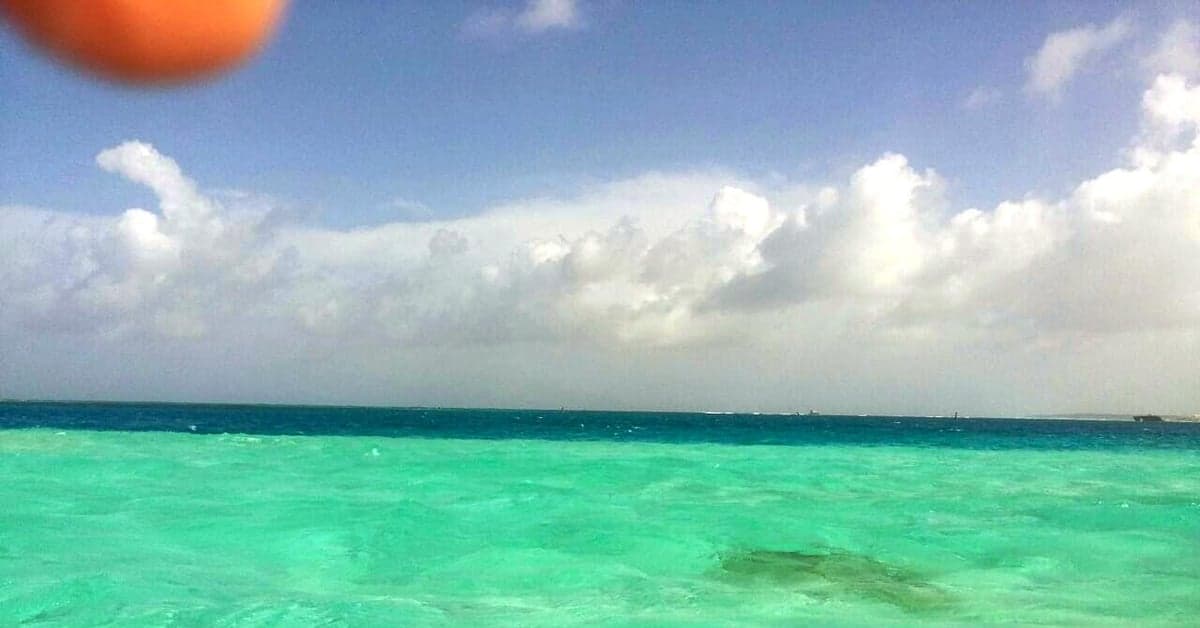
San Andrés sits in the southwestern Caribbean Sea, closer to Nicaragua than to Colombia. The island is 12.5 kilometers long and 3 kilometers wide, surrounded by a barrier reef that is part of the Seaflower Biosphere Reserve. The water here doesn't just turn blue — it cycles through seven distinct shades depending on depth, sand bottom, and coral coverage. Locals call it the "Sea of Seven Colors" (Mar de Siete Colores), and when you see it from the air on approach, you understand why.
The island has a complicated history. The Raizal people, English-speaking descendants of African slaves and British colonists, have lived here for centuries. Their culture, language (San Andrés Creole English), and architecture differ dramatically from mainland Colombia. You'll hear reggae and calypso as often as cumbia. The food leans Caribbean — fried fish, coconut rice, breadfruit, and rondón (a coconut milk seafood stew).
Flights from Bogotá, Medellín, and Cartagena take 1.5-2.5 hours and cost 300,000-600,000 COP ($75-150) round trip. Upon arrival, you'll pay a tourist tax of about 130,000 COP ($32) — keep the receipt, as it's checked at hotels.
Spratt Bight: The Main Beach
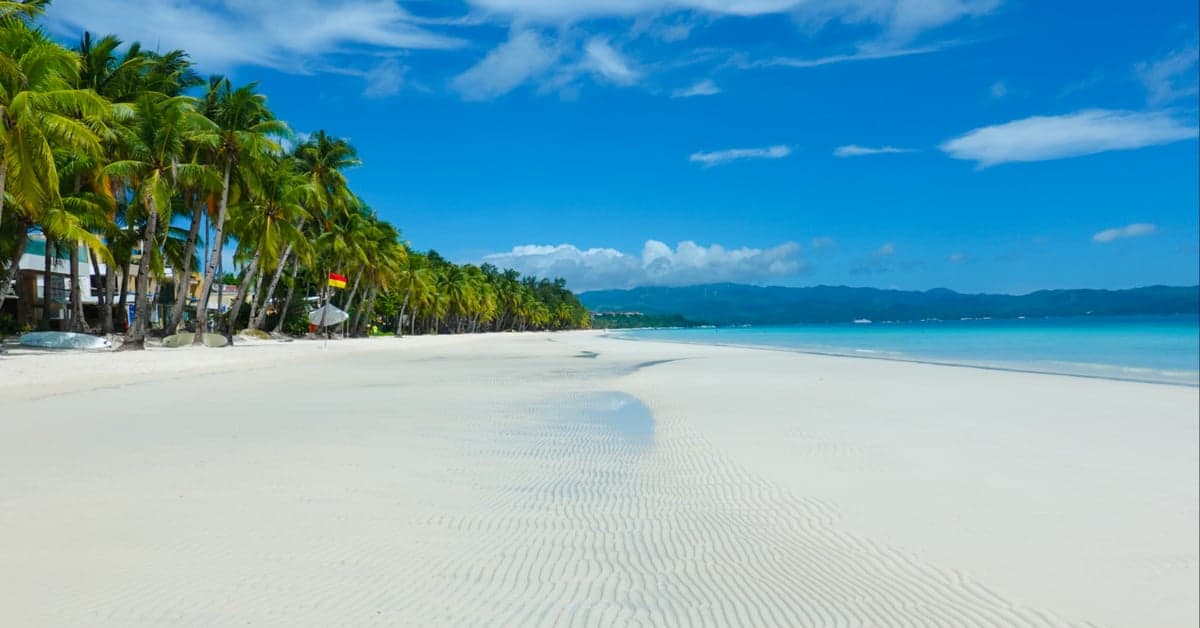
Spratt Bight runs along the north end of san andres island, directly in front of the main town. The sand is white and soft, the water protected by the reef, creating a calm swimming area that extends 200 meters out. It's the most accessible beach on the island — walk out from your hotel, and you're on the sand.
The beach gets busy on weekends and holidays. Beach chairs and umbrellas rent for 20,000-30,000 COP ($5-7.50). Vendors sell ceviche cups for 10,000-15,000 COP ($2.50-3.75) and cold Águila beer for 5,000 COP ($1.25). The promenade behind the beach has restaurants, dive shops, and rental agencies for golf carts — the preferred way to get around the island (80,000-120,000 COP per day / $20-30).
San Luis: The Quiet Side
San Luis is a neighborhood on the east coast with a more authentic Raizal feel. The wooden Caribbean houses painted in bright colors line the road, and the beach access points are smaller and less commercial than Spratt Bight. The water is shallow over seagrass beds — bring water shoes.
Rocky Cay, a tiny island about 200 meters offshore from San Luis, is reachable by wading at low tide. The snorkeling around Rocky Cay is solid — sergeant majors, parrotfish, and blue tangs swarm the shallow reef. A sunken cargo ship (the Nicaragüense) sits in shallow water nearby and makes for an easy snorkel exploration. San Luis gives you a different angle on san andres island life, away from the tourist strip.
Johnny Cay: The Postcard Island
Johnny Cay is a tiny coral island 1.5 kilometers north of San Andrés, ringed by white sand and coconut palms. Boat taxis run from Spratt Bight for 30,000-40,000 COP ($7.50-10) round trip. The island has a few food stalls, a reggae bar, and iguanas that wander the paths fearlessly.
The water around Johnny Cay is shallow and warm with good visibility. Swimming is best on the leeward (south) side — the north side gets rough swell. On weekends, boats from the mainland bring large groups and the small island fills up fast. Go on a weekday morning for the best experience. The views back toward san andres island from Johnny Cay are spectacular — the full gradient of the seven-color sea spreads out before you.
El Acuario and Haynes Cay
El Acuario (The Aquarium) is a shallow sandbar between two small cays south of Johnny Cay. At low tide, you can stand in waist-deep water on the sandbar with tropical fish swimming around your legs. It's a natural snorkeling pool — no deep water, no current, just warm Caribbean water over white sand with excellent visibility.
Haynes Cay, the slightly larger island next to El Acuario, has a reggae bar and fried fish served on banana leaves. Boat trips from Spratt Bight typically combine Johnny Cay, El Acuario, and Haynes Cay in one circuit for about 60,000-80,000 COP ($15-20). Bring your own snorkel gear — rentals on the cays are overpriced and poor quality.
West View and La Piscinita
These two natural swimming spots on the west coast of san andres island are not beaches — they're rocky shoreline areas with ladders into deep, clear water. West View has a wooden platform and ladders descending into a natural channel where fish congregate. Entry costs 15,000 COP ($3.75). The snorkeling is excellent — large schools of blue tangs, angelfish, and barracuda in 3-5 meters of water against a coral wall.
La Piscinita, a few hundred meters south, is similar but smaller and slightly cheaper (10,000 COP / $2.50). Both spots serve fried fish and patacones at small restaurants overlooking the water. These are the best snorkeling spots accessible without a boat, and the fish density rivals anywhere in the Caribbean.
Diving on San Andrés
The barrier reef around san andres island supports over 40 mapped dive sites. The reef wall drops to 30+ meters on the eastern side, with swim-throughs, coral gardens, and large pelagics. Blue Diamond Dive Shop and Karibik Diver are two of the most established operators. A two-tank dive costs about 250,000-350,000 COP ($62-87). A PADI Open Water certification runs 1,200,000-1,600,000 COP ($300-400).
Visibility averages 20-30 meters. The water temperature holds at 27-29°C year-round. Highlights include the Trampa Tortuga site (turtle cleaning station), Palacio de la Cherna (grouper palace with massive Nassau groupers), and the Blue Wall — a sheer coral drop-off that disappears into deep blue.
For more Caribbean dive destinations, explore our destination guides covering the best underwater sites in the region.
Where to Stay and Eat
Hotels cluster along the north end near Spratt Bight. Budget options start at 100,000-150,000 COP ($25-37) per night. Mid-range hotels with pools run 200,000-400,000 COP ($50-100). The Decameron chain operates several all-inclusive resorts from 450,000 COP ($112) per night — decent value if you want meals and drinks included.
For food, the Raizal dish to try is rondón — a slow-cooked coconut milk stew with fish, conch, yuca, plantain, and breadfruit. Miss Celia's in San Luis is the most famous spot for it (about 35,000-45,000 COP / $9-11 per plate). La Regatta on the waterfront near Spratt Bight does upscale seafood with sunset views (mains 45,000-80,000 COP / $11-20). The San Andrés government website has updated event and festival schedules.
When to Visit San Andrés Island
January through April offers the calmest seas and best visibility for diving and snorkeling. June through November is wetter with occasional storms, but prices drop 20-30% and crowds thin. Water temperature varies only 1-2 degrees across the year. The trade winds pick up November through March, which roughens the north-facing beaches but improves conditions on the sheltered west side.
San andres island is duty-free, so electronics, liquor, and perfume are significantly cheaper than on the Colombian mainland. The shopping district near Spratt Bight is small but competitive. Don't skip the island for Cartagena's coastal options — the reef system here is in a different league.
Nightlife and Culture
The Raizal cultural influence makes san andres island's nightlife distinct from mainland Colombia. Reggae bars outnumber salsa clubs. Coco Liso bar near the waterfront has live music most weekends — expect roots reggae, calypso, and soca from local musicians. The Green Moon Festival in November celebrates Raizal culture with music, dance, and traditional food over five days.
For a quieter evening, the boardwalk between Spratt Bight and the main pier fills with food carts after sunset. Grilled lobster tails (25,000-40,000 COP / $6-10) and fresh fruit cocktails make for a cheap and atmospheric dinner. The sunset from the western boardwalk, with the sea fading through its seven shades, is worth building your evening around.
Frequently Asked Questions
How do you get to San Andrés Island?
Fly from Bogotá (2.5 hours), Medellín (2 hours), or Cartagena (1.5 hours). Round-trip flights cost 300,000-600,000 COP ($75-150). A tourist tax of about 130,000 COP ($32) is collected at the airport upon arrival — keep the receipt for hotel check-in.
What is the Sea of Seven Colors?
The water around San Andrés displays seven distinct shades of blue and green, caused by varying depths, white sand bottom, seagrass beds, and coral coverage. The effect is most visible from the air on approach and from elevated viewpoints on the island's south end.
What is the best snorkeling on San Andrés?
West View and La Piscinita on the west coast offer the best shore-accessible snorkeling — entry costs 10,000-15,000 COP ($2.50-3.75) with large schools of tropical fish. El Acuario, a shallow sandbar reached by boat (60,000-80,000 COP circuit), has warm water and high visibility over white sand.
How much does a golf cart rental cost on San Andrés?
Golf carts rent for 80,000-120,000 COP ($20-30) per day and are the most popular way to explore the island. The full loop road is about 30 kilometers. Scooters are cheaper at 50,000-70,000 COP ($12-17) per day. Both are available from shops near Spratt Bight.
When is the best time to visit San Andrés?
January through April for the calmest seas, best diving visibility, and driest weather. June through November is wetter with occasional storms but offers 20-30% lower prices and fewer crowds. Water temperature stays at 27-29°C year-round.
What food should I try on San Andrés?
Rondón — a Raizal coconut milk stew with fish, conch, yuca, plantain, and breadfruit — is the essential dish. Miss Celia's in San Luis serves the best version for 35,000-45,000 COP ($9-11). Also try the ceviche cups from beach vendors (10,000-15,000 COP) and fried whole fish at Haynes Cay.
Is San Andrés Island expensive?
It's moderate by Caribbean island standards. Budget hotels start at 100,000 COP ($25) per night. A daily budget of 200,000-350,000 COP ($50-87) covers meals, transportation, and activities. All-inclusive Decameron resorts start at 450,000 COP ($112) per night with meals and drinks included.
Can you dive at San Andrés Island?
The barrier reef has 40+ dive sites with 20-30 meter visibility. Two-tank dives cost 250,000-350,000 COP ($62-87). PADI Open Water certification runs 1,200,000-1,600,000 COP ($300-400). Highlights include the Blue Wall drop-off and Palacio de la Cherna with massive Nassau groupers.