Los Roques: Venezuela's Untouched Caribbean Archipelago
Table of Contents
Prices in this guide are approximate and change often. Check with the hotel, airline or operator before you book.
Los Roques: The Caribbean Archipelago That Tourism Forgot
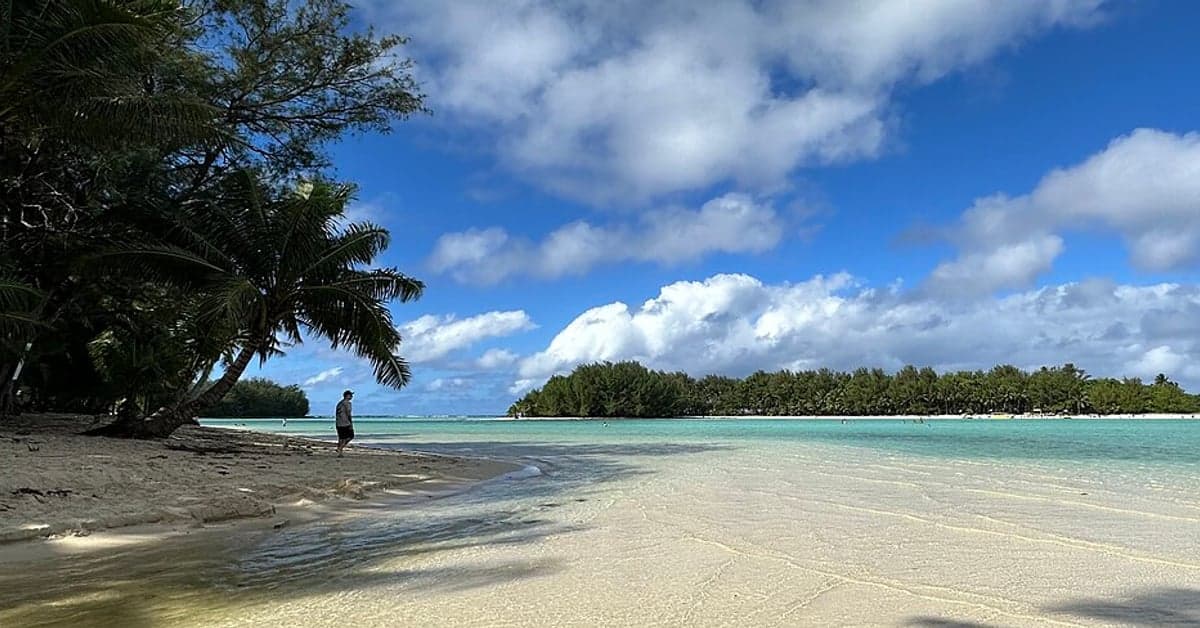
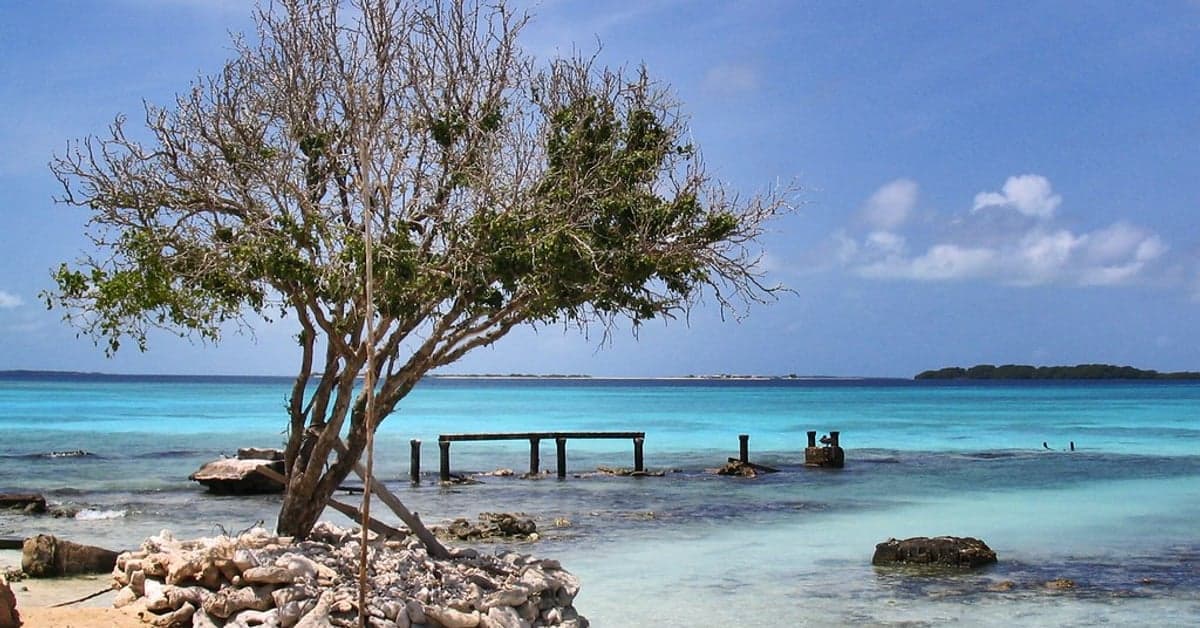
Los Roques is a national park archipelago 160 kilometers north of Caracas in the Caribbean Sea. It consists of about 350 islands, cays, and sandbanks spread across 40 by 25 kilometers of turquoise water. Only one island — Gran Roque — is inhabited, home to a village of about 1,500 people living in brightly colored houses along sandy streets. The rest of the archipelago is empty. No resorts, no cruise ships, no jet skis. Just sand, water, and sky.
Venezuela's political and economic crisis has drastically reduced tourism to Los Roques. Visitor numbers have fallen sharply since the early 2000s. The upside for those who do make the trip: the coral reefs remain pristine, the beaches are empty, and the local posada owners are genuinely grateful for guests. It's one of the last Caribbean destinations where you can have a white-sand beach entirely to yourself on a regular basis.
Getting to Los Roques Venezuela
The only way to reach Los Roques is by small plane from Caracas (Maiquetía Airport) or by private boat/charter. Commercial flights on small prop planes take 35-40 minutes. Small regional airlines and charter operators fly the route; check current schedules, as service has changed often. Flights are not bookable through major online platforms; you'll need to contact the airlines directly or book through a posada that arranges packages.
There is no ferry service. The airstrip on Gran Roque is short (800 meters) and only handles small aircraft. Weight limits are strict — expect 10-15 kg luggage allowance. Pack light. The flight itself is spectacular, with the reef system visible from altitude in every shade of blue and green imaginable.
Gran Roque: The Only Village
Gran Roque village is tiny — you can walk from one end to the other in 10 minutes. Sandy streets connect colorful posadas (guesthouses), a few restaurants, dive shops, and the park authority office. There are no cars. No ATMs. Internet is spotty. Power comes from generators and goes out regularly. This isn't rusticity as a design choice — it's just how the island works.
The beach on Gran Roque's west side is pleasant but not the main attraction. The village functions as a base for daily boat trips to the uninhabited cays where the real Los Roques experience unfolds. Most posadas arrange boat excursions as part of their packages.
The Cays: Empty Beaches in Every Direction
Cayo de Agua
Cayo de Agua is the most famous beach in the archipelago. A sandbar connects two small islands, creating a narrow strip of white sand with turquoise water on both sides. At certain tides, the sandbar narrows to just a few meters wide and you're walking on a ribbon of sand between two seas. The snorkeling on the reef side is excellent — brain coral, fan coral, parrotfish, and barracuda in 2-5 meters of water.
Boat trips from Gran Roque to Cayo de Agua take about 45 minutes and cost $30-50 per person round trip (typically shared with other posada guests). Bring your own snorkel gear — rentals are limited and overpriced. Pack lunch, water, and sunscreen. There is nothing on the cay. No shade, no vendors, no facilities. Just sand, water, and silence.
Francisquí
The Francisquí cays are closer to Gran Roque (20 minutes by boat) and the most visited after Cayo de Agua. Francisquí de Abajo has a long beach with shallow, warm water perfect for swimming. Francisquí de Arriba has a wider reef for snorkeling. A few basic palapa-style shade structures have been set up, and during peak season a vendor may sell drinks, but don't count on it.
Madrisquí and Rasquí
These two cays are connected by a shallow sandbar and accessible by a 15-minute boat ride from Gran Roque. Madrisquí has the widest beach in the archipelago — 200 meters of white sand curving around a calm bay. Rasquí, connected at low tide, is smaller with rockier shores and better snorkeling along the reef edge. Some posadas operate basic beach camps here with shade structures and lunch service.
Dos Mosquises
Dos Mosquises is home to a sea turtle research station run by the Fundación Científica Los Roques. Visits include a short tour of the turtle nursery (donations appreciated) and access to a small beach with good snorkeling. It's farther from Gran Roque (about 1 hour by boat) and usually combined with other cays in a full-day excursion.
Snorkeling and Diving
The reef system at Los Roques is among the healthiest in the Caribbean. The archipelago's national park status since 1972 and low visitor numbers have kept the coral in remarkable condition. Snorkeling is possible at nearly every cay — the water is warm (26-29°C), visibility averages 20-30 meters, and the marine life includes hawksbill turtles, nurse sharks, spotted eagle rays, queen angelfish, and lobsters.
Diving is more organized. Dive operators on Gran Roque run two-tank boat dives. The wall dives on the southern reef drop to 30+ meters with sponges, gorgonians, and pelagic fish. The Boca de Cote channel between the southern cays attracts larger species — reef sharks, tarpon, and occasional hammerheads.
For more Caribbean snorkeling and diving destinations, browse our destination guides.
Bonefishing
Los Roques is one of the top bonefishing destinations in the world. The vast flats between the cays hold large populations of bonefish, permit, and tarpon. Guided fly-fishing trips run $350-500 per day with a licensed guide and skiff. The season runs year-round, with the best conditions from November through June when winds are lighter and water clarity is highest. Serious anglers come here specifically for this — the fishing is world-class.
Where to Stay
Gran Roque has about 60 posadas ranging from basic rooms with shared bathrooms to comfortable guesthouses with air conditioning and private baths. Most operate on a full-board basis (breakfast, packed lunch, dinner) because dining options on the island are limited.
Budget posadas run $80-120 per person per night including meals and boat trips. Mid-range posadas with private rooms and better food charge $150-250. The top-tier posadas — Posada Acuarela, Posada Piano y Papaya, Posada Mediterraneo — run $250-400 per person per night for a more refined experience. All posada rates at Los Roques include meals because there's no realistic alternative.
Book through the posada directly — most have basic websites or can be reached by email and WhatsApp. Packages of 3-4 nights are standard and often include airport transfers in Caracas, the round-trip flight, all meals, and daily boat excursions.
Practical Information
Venezuela Travel Advice
Read this before anything else. As of October 2026, Canada's travel advice for Venezuela is to avoid all travel, citing violent crime, arbitrary detention, unstable political and economic conditions and shortages of medicine, fuel and water (updated September 28, 2026). UK government advice advises against all but essential travel to most of Venezuela and against all travel to some border and mining areas (updated September 2, 2026). Neither makes an exception for Los Roques, and travel insurance may not cover a trip made against official advice. If you still go, The economic situation means cash is king — bring US dollars in small bills ($1, $5, $10, $20). Credit cards may not work. Many posadas quote prices in US dollars. The exchange rate fluctuates significantly; confirm pricing close to your travel dates.
plan to transit Caracas quickly. Some posadas arrange same-day airport transfers that minimize time in the city. The Venezuelan National Parks Institute (INPARQUES) website has park regulations, though the site is intermittently available.
What to Bring
Reef-safe sunscreen (the strong Caribbean sun burns fast), snorkel gear, a waterproof bag for electronics, cash in US dollars, insect repellent, and any medications you need. The island has one small pharmacy with limited stock. There is no hospital — serious medical issues require evacuation to Caracas by air.
Best Months to Visit
December through April is the dry season with the calmest seas and best visibility. The trade winds blow consistently, keeping temperatures comfortable (27-31°C). May through November brings occasional rain and stronger winds, but the beaches remain spectacular. Hurricane risk is low, as the archipelago lies south of the main hurricane track, though not zero.
Park Fees
The national park entry fee is approximately $20-30 for foreign visitors, payable on arrival at Gran Roque. The fee structure has changed frequently in recent years — confirm current rates with your posada before arriving.
Frequently Asked Questions
How do you get to Los Roques?
Fly from Caracas (Maiquetía Airport) on a small plane, about 35-40 minutes. Small regional airlines and charter operators fly the route and schedules change often, so book through your posada or contact the operator directly. There is no ferry service.
Is it safe to travel to Los Roques Venezuela?
Official advice says not to go. As of October 2026, Canada advises avoiding all travel to Venezuela and the UK advises against all but essential travel, with no exception for Los Roques. Crime on the archipelago itself is low, but every trip transits Caracas, and insurance may not cover travel against official advice.
How much does a trip to Los Roques cost?
Budget posadas run $80-120 per person per night including meals and boat trips. Mid-range is $150-250. Top-tier posadas charge $250-400. Add $200-400 for round-trip flights from Caracas. A 3-4 night package covering flights, accommodation, meals, and excursions runs $600-1,500 per person.
What is the best beach at Los Roques?
Cayo de Agua, a sandbar connecting two islands with turquoise water on both sides, is the most famous. Madrisquí has the widest beach and Francisquí de Abajo the calmest swimming. All require a boat trip from Gran Roque.
When is the best time to visit Los Roques?
December through April for dry weather, calm seas and the best diving visibility. May through November is slightly wetter and windier, with fewer visitors. The archipelago lies south of the main hurricane track, so the risk is low, though not zero.
Is the snorkeling good at Los Roques?
Excellent — the reef system is among the healthiest in the Caribbean. Visibility averages 20-30 meters, water temperature stays at 26-29°C, and marine life includes hawksbill turtles, nurse sharks, eagle rays, and dense coral coverage. Bring your own gear — rentals on the island are limited.
Do I need cash at Los Roques?
Yes — bring US dollars in small bills ($1, $5, $10, $20). Credit cards are unreliable. Most posadas quote prices in US dollars. There are no ATMs on Gran Roque. Budget $30-50 per day in cash for tips, drinks, and small purchases beyond your posada package.
What is bonefishing at Los Roques like?
Los Roques is a world-class bonefishing destination. Vast shallow flats between the cays hold bonefish, permit, and tarpon. Guided fly-fishing days cost $350-500 including skiff and guide. Best conditions are November through June with lighter winds and clearer water.