How to Choose Between Airbnb and Hotels at the Beach
Table of Contents
Prices in this guide are approximate and change often. Check with the hotel, airline or operator before you book.
The Beach Accommodation Decision Has Gotten Complicated
A decade ago, the choice was simple: hotel for convenience, vacation rental for space. Now the line has blurred. Hotels offer apartment-style suites with kitchens. Airbnb hosts run professional operations with hotel-quality linens and 24-hour check-in. Both platforms compete on price, location, and experience — but each still has structural advantages depending on your trip type, group size, and destination.
This isn't a philosophical debate about which platform is "better." It's a practical comparison based on specific factors that matter for beach vacations: proximity to the water, cooking facilities (critical for families), cleaning fees, cancellation policies, and the hidden costs that change the total price equation.
Cost: The Real Comparison
Nightly Rate vs Total Cost
Airbnb's advertised nightly rate is misleading until you add the mandatory extras. A listing showing $120/night for a Maui condo typically becomes $150-180/night after cleaning fees ($100-250 per stay, amortized over your nights), service fees (14-16% of the subtotal), and taxes (13-18% depending on location). A 5-night stay at $120/night becomes $750-900 total, not the $600 the listing page implies.
Hotels are more transparent: the nightly rate plus tax (10-18% depending on location and jurisdiction) plus resort fees ($25-50/night at many beach properties). A $150/night hotel room for 5 nights becomes $875-1,075 after tax and resort fees. The resort fee — mandatory at many beach hotels, especially in Hawaii and the Caribbean — is the hotel industry's version of Airbnb's cleaning fee: an unavoidable surcharge that inflates the advertised price.
Where Airbnb Wins on Price
Groups of 4+ people: a 2-bedroom Airbnb sleeping four costs roughly the same as a single hotel room, halving the per-person cost. A beachfront 3-bedroom house in Outer Banks renting for $250/night ($83 per bedroom) undercuts three hotel rooms at $150-200 each. For families or friend groups, the savings are substantial.
Stays of 7+ nights: many Airbnb hosts offer weekly discounts of 10-20%. Cleaning fees, which are flat regardless of stay length, become negligible per night on longer stays. Monthly stays (28+ nights) can unlock discounts of 30-50% — relevant for remote workers and extended beach trips.
Destinations where hotel supply is limited: in small beach towns (Tulum, Koh Lanta, Algarve villages), hotels may be few and overpriced. The vacation rental market fills the gap with local apartments and houses at competitive rates.
Where Hotels Win on Price
Solo travelers and couples on short stays: a 2-night hotel stay avoids Airbnb's cleaning fee penalty. At $120/night Airbnb plus $150 cleaning fee, a 2-night stay costs $195/night effective. A $165/night hotel with no cleaning fee wins. The crossover point where Airbnb becomes cheaper is typically 4-5 nights.
All-inclusive resorts: properties in Mexico, the Caribbean, and Dominican Republic include meals, drinks, and activities in the room rate. A $300/night all-inclusive saves $100-200/day in food and drink costs versus a rental where you're buying groceries and eating out. For couples who eat and drink at the property, all-inclusive math is hard to beat.
Location: Beachfront Access
Airbnb Advantage
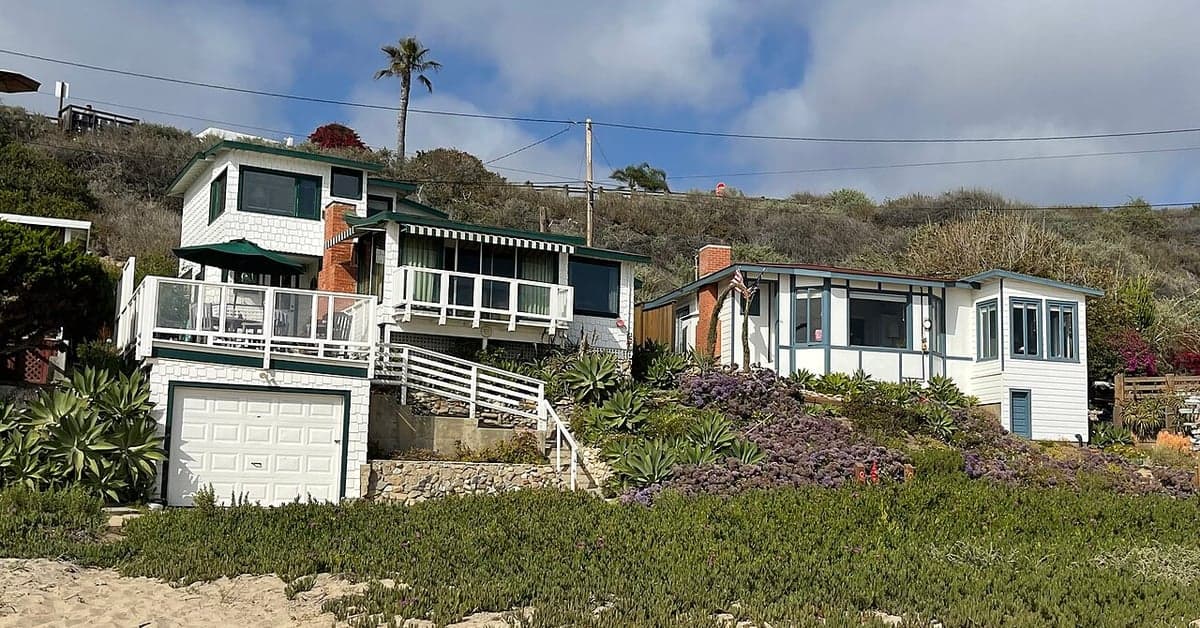
Vacation rentals often occupy prime beachfront positions that predate hotel development. A cottage directly on the sand in Cape Cod, a villa with a private beach path in Bali, or a condo with a balcony overlooking the surf in Puerto Rico — these listings offer proximity to water that only the most expensive hotel suites match.
In residential beach communities (Outer Banks, Gulf Coast of Florida, Margaret River in Australia), the entire housing stock is vacation-rental territory. Hotels may sit on a highway setback while rentals line the beach road.
Hotel Advantage
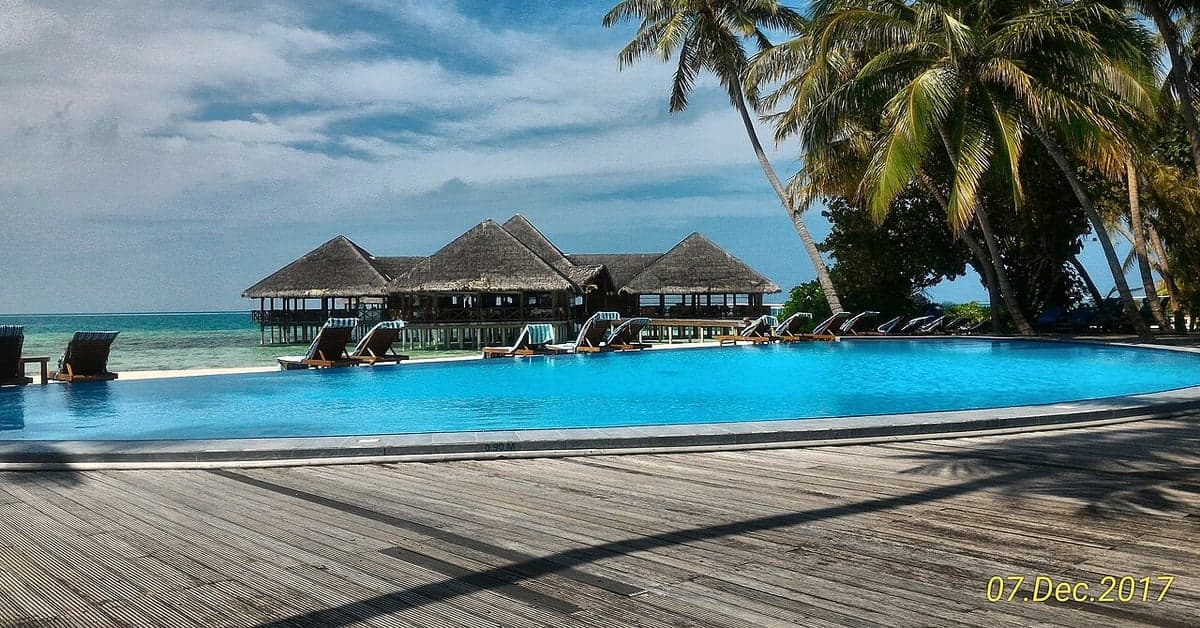
Hotels own beachfront infrastructure: maintained beach areas, lifeguards, beach chair and umbrella service, water sports equipment, and beachfront restaurants. An Airbnb on the beach gives you proximity; a hotel on the beach gives you service. At a resort, your beach experience is managed — chairs set up before you arrive, towels provided, a bar 50 meters from your sunbed.
Some destinations restrict beach access to hotel guests. In the Maldives, resort islands are one-hotel-per-island, meaning your beach is private. In Mexico, some resort zones have de facto restricted access despite Mexico's federal public beach law. Search beachfront hotel deals for direct beach access properties.
Kitchen and Cooking
This factor alone drives many families toward Airbnb. A full kitchen saves $50-100/day in restaurant costs for a family of four. Breakfast made in your rental kitchen (eggs, toast, fruit, coffee) costs $5-8 for a family versus $30-60 at a hotel restaurant. Kids are picky, meals can happen on their schedule, and nobody has to manage a restaurant situation with a tired toddler.
Hotels counter with suites that include kitchenettes (microwave, mini-fridge, sometimes a stovetop). Residence Inn, Homewood Suites, and Hyatt House properties specialize in this format, with rates often $20-40 more than standard rooms. Extended-stay hotels near beach areas (common in Florida and Hawaii) offer full kitchens at rates competitive with Airbnb.
Reliability and Risk
Hotel Consistency
A Marriott in Cancun and a Marriott in Phuket deliver predictable quality. The room will be clean, the bed comfortable, the Wi-Fi functional, and the front desk staffed. If something goes wrong — plumbing, AC, noise — a hotel solves it in minutes. This consistency is the core hotel product, and it's worth paying for when you're traveling internationally or to an unfamiliar destination.
Airbnb Variability
Airbnb quality varies from exceptional to disastrous. Photos can be misleading (wide-angle lenses, filters, photos from years ago). "Steps from the beach" might mean a 15-minute walk. "Private pool" might mean a shared plunge pool. The risk is highest for first-time listings with few reviews and in markets where regulation is light.
Mitigation: only book listings with 20+ reviews and a 4.7+ star rating. Read the most recent 10 reviews, not just the highlights. Check Google Maps satellite view to verify the actual distance to the beach. Message the host before booking to ask specific questions ("How many minutes to walk to the water?" "Is the kitchen fully equipped?").
Cancellation Policies
Hotels typically offer free cancellation up to 24-48 hours before check-in for flexible rates (5-15% more than non-refundable rates). This matters enormously for beach trips, where weather concerns, flight changes, and life events can disrupt plans.
Airbnb cancellation policies vary by host: Flexible (full refund up to 24 hours before), Moderate (full refund up to 5 days before), Strict (50% refund up to 7 days before, nothing after), and various long-term policies. Many professional hosts use Strict policies, which means a canceled trip loses 50-100% of the accommodation cost. Always check the cancellation policy before booking and factor the risk into your decision.
Decision Framework
Choose Airbnb When
You're traveling with 4+ people and want shared space. Your stay is 5+ nights (cleaning fees amortize). You want to cook (families with young children, dietary restrictions). You're visiting a residential beach community with limited hotels. You value privacy and independence over service. Check for package deals that may change the hotel math in your favor before committing.
Choose a Hotel When
You're a couple or solo traveler on a stay of 1-4 nights. You want beachfront infrastructure (beach service, pool, restaurant). You're visiting an unfamiliar international destination where reliability matters. You want flexible cancellation. You value daily housekeeping and concierge services. You're considering an all-inclusive that eliminates food and drink costs. Compare beachfront hotel rates on Expedia for your destination.
The Hybrid Approach
Some travelers split their trip: hotel for the first 2-3 nights (jet lag recovery, orientation, beachfront service), then an Airbnb for the remaining week (cooking, space, budget savings). This captures the benefits of both without committing fully to either. Many beach destinations accommodate this easily — Bali, the Algarve, and Mexico's Riviera Maya all have strong supply of both hotels and rentals within the same beach areas.
Frequently Asked Questions
Is Airbnb or a hotel cheaper for a beach vacation?
It depends on group size and stay length. For couples on 1-4 night stays, hotels are often cheaper after Airbnb's cleaning fees ($100-250 per stay) are factored in. For groups of 4+ or stays of 5+ nights, Airbnb is typically 20-40% cheaper. The breakeven point is usually around 4-5 nights for couples.
What hidden fees should I watch for on Airbnb?
Cleaning fees ($100-250 per stay), Airbnb service fees (14-16% of the subtotal), and local taxes (10-18%) all add to the advertised nightly rate. A listing showing $120/night typically costs $150-180/night after all fees. Always check the total price before booking, not just the nightly rate.
What are hotel resort fees?
Resort fees are mandatory daily charges added on top of the room rate at many beach hotels, especially in Hawaii, the Caribbean, and Las Vegas. They theoretically cover amenities like pool access, Wi-Fi, and fitness centers. Not all hotels charge them — check the fine print before booking. They're the hotel equivalent of Airbnb cleaning fees.
Is it safe to book an Airbnb for a beach vacation?
Generally yes, if you follow precautions: only book listings with 20+ reviews and 4.7+ ratings. Read the 10 most recent reviews. Verify the location on Google Maps satellite view. Message the host with specific questions before booking. Airbnb's guest protection covers major issues like inaccurate listings and last-minute cancellations by hosts.
Should families choose Airbnb or hotels at the beach?
Families of 4+ usually save money and gain convenience with Airbnb. A kitchen saves $50-100/day in restaurant costs, separate bedrooms mean parents get privacy, and a washing machine handles sandy beach laundry. Hotels win for short stays (1-3 nights), when all-inclusive packages are available, or when parents want kids' clubs and pool supervision.
Can I get a beachfront Airbnb?
Yes, vacation rentals often have better beachfront positioning than hotels, especially in residential beach communities. However, verify the actual beach distance before booking — 'steps from the beach' can mean 5 minutes or 15 minutes. Use Google Maps satellite view and ask the host for specifics. True beachfront rentals command 30-50% premiums over properties one or two streets back.
What cancellation policy should I look for?
Hotels typically offer free cancellation up to 24-48 hours before check-in with flexible rates. On Airbnb, look for Flexible (full refund 24 hours before) or Moderate (full refund 5 days before) policies. Strict policies (50% refund up to 7 days) are risky for beach trips where weather and travel disruptions are common. Always check the policy before booking.