Grenada Beach Guide: Spice Island Snorkeling and Volcanic Sand
Table of Contents
Prices in this guide are approximate and change often. Check with the hotel, airline or operator before you book.
The Spice Island at the Bottom of the Caribbean
Grenada sits at the southern end of the Windward Islands, 100 miles north of Venezuela, about as far south as you can go in the Caribbean chain before hitting South America. The island is volcanic in origin — green, mountainous, and covered in nutmeg, cinnamon, and cocoa plantations that give it the nickname Spice Island. The interior smells like a kitchen. The coastline alternates between white sand coves on the southwest, dramatic dark volcanic sand on the north, and protected marine areas that make grenada beaches among the best snorkeling destinations in the Caribbean.
Grenada also hosts the world's first underwater sculpture park, a deliberately sunk collection of artwork on the sea floor off the west coast. The combination of volcanic geology, spice culture, and marine conservation gives the island a character distinct from every other Caribbean destination. Tourism is growing but remains modest — about 170,000 stayover visitors per year, compared to over 4 million for the Dominican Republic.
Southwest Coast: The Main Beach Zone
Grand Anse Beach
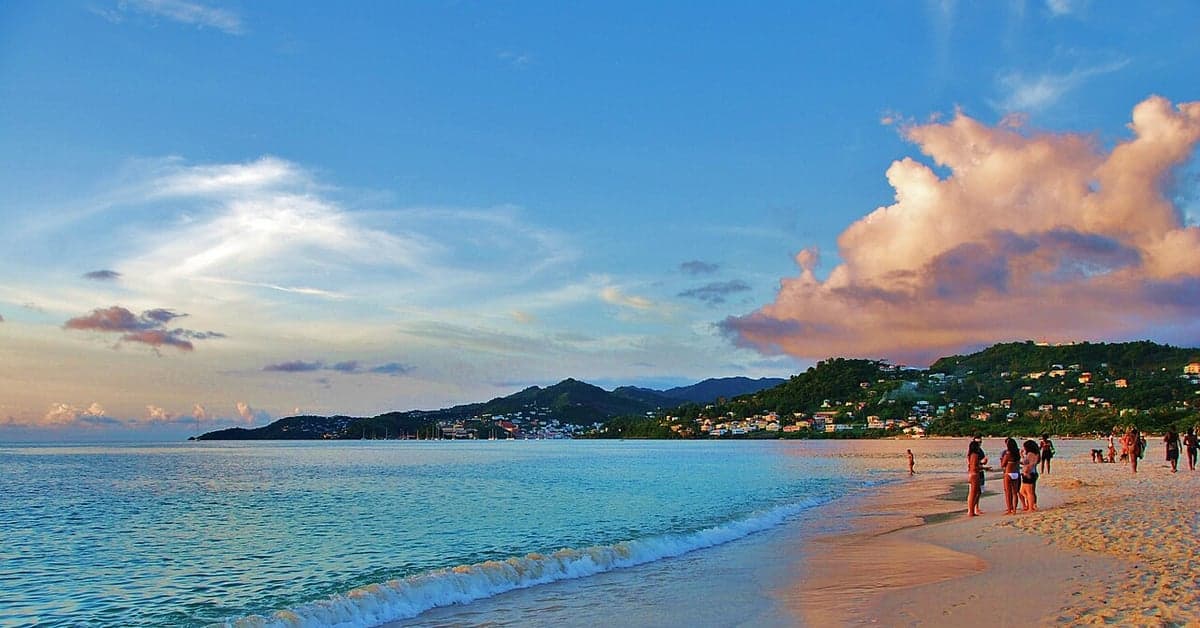
Grand Anse is the flagship — a two-mile crescent of white sand on the southwest coast, consistently ranked among the best beaches in the Caribbean. The water is calm, warm (80-84°F year-round), and turquoise. The depth increases gradually, making it excellent for swimming at all levels. Several hotels line the beach, including the Spice Island Beach Resort ($500-900 USD/night, all-inclusive) and the Radisson Grenada ($180-300 USD/night), but the sand is public and accessible at multiple points.
Umbrellas Beachbar on Grand Anse serves grilled fresh fish ($15-22 EC / $6-8 USD) with cold Carib beer and a direct view of the sunset. The beach gets its busiest stretch around the hotels but thins out toward the southern end near the Quarantine Point headland. Mornings before 10 AM and late afternoons after 4 PM are the best times for swimming with fewer people. Among all grenada beaches, Grand Anse has the most consistent quality across its entire length.
Morne Rouge (BBC Beach)
South of Grand Anse, around a headland, Morne Rouge is a smaller, more sheltered cove with exceptionally calm water. The bay faces southwest and is protected from waves on all sides, creating near-pool conditions most days. The sand is white and fine, the crowd is smaller than Grand Anse, and the water color shifts between electric turquoise and deep teal depending on the cloud cover.
A few small restaurants operate at the beach — Roger's Barefoot Beach Bar does grilled lobster and rum punch directly on the sand. This is the grenada beaches option most recommended for families with young children or anyone who wants the calmest possible swimming conditions.
Magazine Beach
Adjacent to the Rex Grenadian resort on the southwest tip, Magazine Beach has a small reef close to shore that makes it the best snorkeling beach accessible by foot from the hotel zone. The coral sits in about 6 feet of water, and the fish population includes parrotfish, trumpetfish, and juvenile barracuda. Bring your own mask and snorkel — rental options are limited here. The Aquarium Beach Club restaurant on the sand serves lunch and has sunbed rentals.
North and Northeast: Volcanic Sand
Bathway Beach
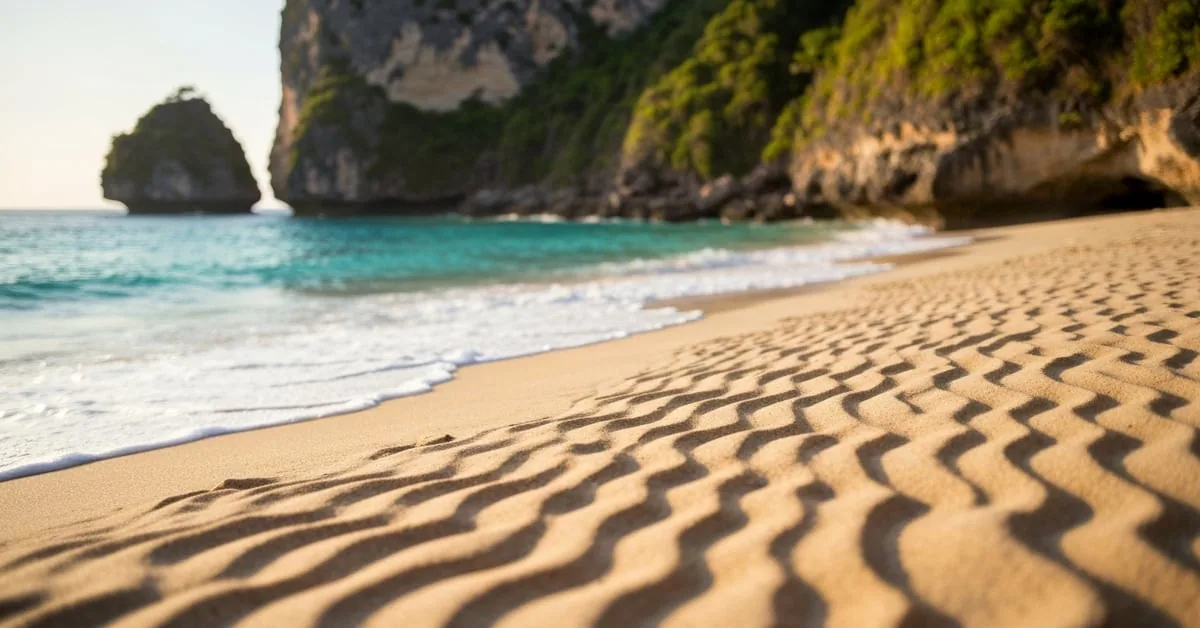
On the far northeast coast, 45 minutes from Grand Anse, Bathway Beach has dark volcanic sand and a natural reef barrier that creates a large, calm lagoon. The lagoon stays waist-to-chest deep at most tides, making it safe for swimming even though the open Atlantic crashes against the outer reef. The contrast between the calm lagoon and the white water on the reef edge is dramatic.
Bathway is remote by Grenada standards — a few beach shacks sell drinks and snacks on weekends, but during the week you may have the beach largely to yourself. The dark sand heats up significantly by midday; bring water shoes or arrive early. This is one of the most distinctive grenada beaches, and the drive through the rural north coast passes through nutmeg plantations and small fishing villages.
Levera Beach
At the northeastern tip of the island, Levera Beach is where leatherback sea turtles nest between March and August. The beach is wild, remote, and backed by mangrove wetlands. Swimming is dangerous due to strong currents, but the turtle nesting experience is extraordinary. During peak season (April through June), the Ocean Spirits conservation group ($30 EC / $11 USD donation) leads guided night walks to observe nesting mothers without disturbing them.
Levera National Park encompasses the beach, offshore islands, and mangrove forest. Birdwatching here is excellent — look for frigatebirds, pelicans, and the occasional blue heron in the mangroves. The drive from Grand Anse takes about an hour on the cross-island road through the mountainous interior.
Underwater Grenada
Moliniere Underwater Sculpture Park
Created by British sculptor Jason deCaires Taylor in 2006, the Moliniere Underwater Sculpture Park features over 75 cement sculptures on the sea floor at depths of 5-25 feet. The pieces have been colonized by coral and sponges, transforming from art installations into functioning artificial reefs. The most famous piece — a ring of figures holding hands — has become an icon of Grenada.
Snorkeling trips to the sculpture park cost $25-40 USD per person from operators in Grand Anse. The site is close to shore and the water is calm, making it accessible to snorkelers of all abilities. Scuba divers get a closer look at the deeper pieces ($60-80 USD for a two-tank dive including the sculpture park). The combination of art and marine biology makes this unlike any other snorkeling experience among all grenada beaches and dive sites.
Reef Diving
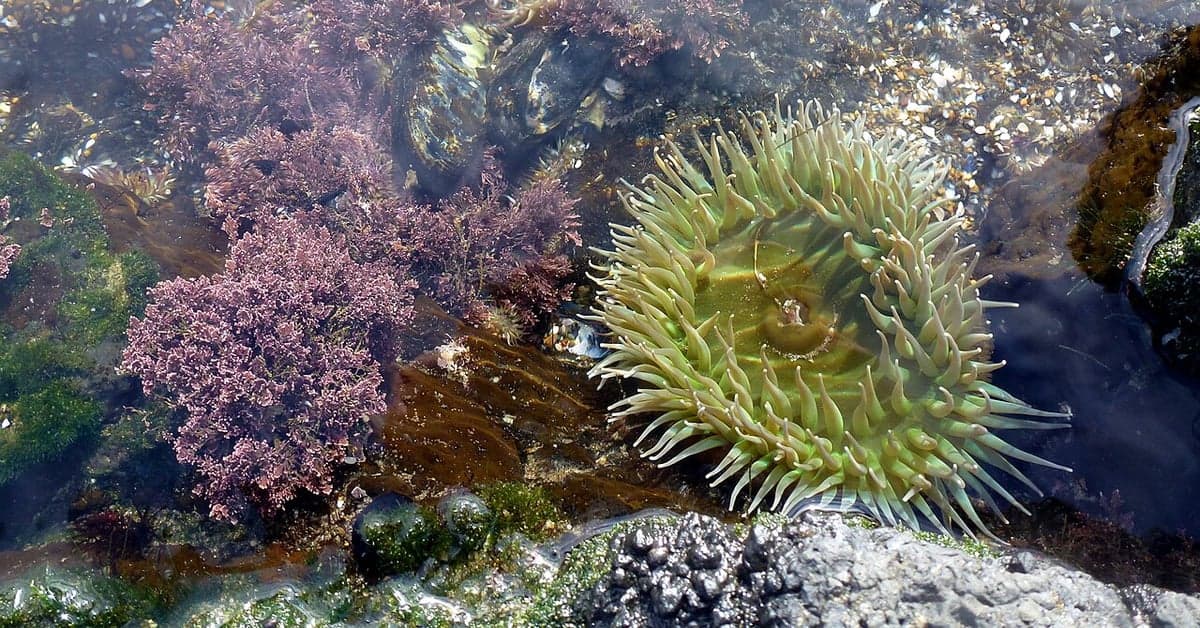
Grenada's reef systems are healthy compared to many Caribbean islands. The Marine Protected Areas around the south and west coast support hard and soft corals, sponge gardens, and a strong fish population. Flamingo Bay, Boss Reef, and Dragon Bay are popular dive sites with visibility often exceeding 80 feet. The Bianca C — a 600-foot Italian cruise ship that sank in 1961 — sits in 165 feet of water and is the largest shipwreck in the Caribbean, accessible to advanced divers. Two-tank reef dives average $80-100 USD.
Spice Culture and Food
Grenada is one of the world's best-known nutmeg producers, and the fruit appears on the national flag. Visit the Gouyave Nutmeg Processing Station ($5 EC / $2 USD) to see how nutmeg is sorted and graded by hand, a process unchanged for generations. Belmont Estate ($15 EC / $6 USD) in the interior combines a cocoa plantation tour with chocolate making and a Creole lunch ($40 EC / $15 USD) using ingredients grown on site.
The Friday night Fish Fry in Gouyave (west coast fishing town) is Grenada's best weekly food event. Outdoor stalls grill fresh-caught tuna, snapper, and lobster while sound systems play soca and calypso. A grilled fish plate with provisions (root vegetables) costs $15-25 EC ($6-9 USD). The event runs from 7 PM to midnight and the vibe is overwhelmingly local — tourists are welcome but not the target audience. Check our destination guides for more Caribbean food events.
Practical Information
Getting Around
Rental cars cost $40-55 USD per day plus a $30 EC temporary license. Driving is on the left. Roads are steep and winding through the interior — a compact SUV is recommended. Minibuses ($2.50-5 EC per ride) run along the west coast but service to northern beaches is infrequent. Water taxis connect Grand Anse beaches and the capital St. George's ($10-15 EC per person). Taxis from the airport to Grand Anse cost $25-35 USD.
When to Visit
January through May is dry season with temperatures of 78-86°F and calm seas. The Spice Mas Carnival in August is the island's biggest cultural event — a week of music, costume parades, and parties. June through November brings occasional heavy rain and hurricane risk, though Grenada's southern position reduces storm frequency compared to islands further north. Water temperature on grenada beaches stays between 79-84°F year-round.
Costs
Grenada is moderately priced for the Caribbean. The Eastern Caribbean Dollar (EC) is the local currency, pegged at $2.70 EC to $1 USD. Budget travelers can manage on $80-120 USD per day with guesthouse accommodation and local food. Mid-range visitors spending $200-350 USD get beachfront hotels and restaurant dining. Luxury resorts start at $400 USD/night. Most grenada beaches are public and free to access.
Frequently Asked Questions
What is the best beach in Grenada?
Grand Anse Beach is the island's flagship — a two-mile crescent of white sand with calm turquoise water, beach bars, and hotel access. For calmer swimming, Morne Rouge (BBC Beach) is a sheltered cove with near-pool conditions. Magazine Beach has the best shore snorkeling near the hotel zone.
What is the Underwater Sculpture Park in Grenada?
Created by artist Jason deCaires Taylor in 2006, the Moliniere Underwater Sculpture Park features over 75 cement sculptures at depths of 5-25 feet off the west coast. The pieces have been colonized by coral and sea life. Snorkeling trips cost $25-40 USD per person from Grand Anse operators. It is accessible to snorkelers of all abilities.
Can you see sea turtles nesting in Grenada?
Yes. Leatherback sea turtles nest at Levera Beach from March through August. The Ocean Spirits conservation group leads guided night walks during peak season (April-June) for a $11 USD donation. You observe nesting mothers from a respectful distance. Levera Beach is on the remote northeast coast, about an hour's drive from Grand Anse.
What is the Gouyave Fish Fry?
A weekly Friday night event in the west coast fishing town of Gouyave. Outdoor stalls grill fresh tuna, snapper, and lobster while music plays. A full grilled fish plate costs $6-9 USD. The event runs 7 PM to midnight and is mostly locals, with a lively, authentic atmosphere.
Is Grenada good for scuba diving?
Excellent. Grenada has healthy reefs, multiple Marine Protected Areas, and visibility often exceeding 80 feet. Top sites include Flamingo Bay, Boss Reef, and Dragon Bay. The Bianca C, a 600-foot Italian cruise ship that sank in 1961, is the largest shipwreck in the Caribbean. Two-tank reef dives average $80-100 USD.
When is the best time to visit Grenada?
January through May is dry season with 78-86°F temperatures and calm seas. Spice Mas Carnival in August is the island's biggest cultural event. June through November brings rain and hurricane risk, though Grenada's far-south position means fewer storms. Water temperature stays between 79-84°F year-round.
How much does a beach vacation in Grenada cost?
Budget travelers can manage on $80-120 USD per day with guesthouse accommodation and local food. Mid-range visitors spending $200-350 USD per day get beachfront hotels and restaurant meals. Luxury resorts like Spice Island Beach Resort start at $500 USD/night. Most beaches are public and free.
Why is Grenada called the Spice Island?
Grenada is one of the world's best-known nutmeg producers and also grows cinnamon, cloves, ginger, and cocoa. The nutmeg fruit appears on the national flag. The Gouyave Nutmeg Processing Station ($2 USD) and Belmont Estate cocoa plantation ($6 USD tour) are the main spice-culture attractions. The island's interior genuinely smells like spices.