Florianópolis Beach Guide: 42 Beaches from Jurerê to Naufragados
Table of Contents
Florianópolis Has 42 Beaches and No Two Are Alike
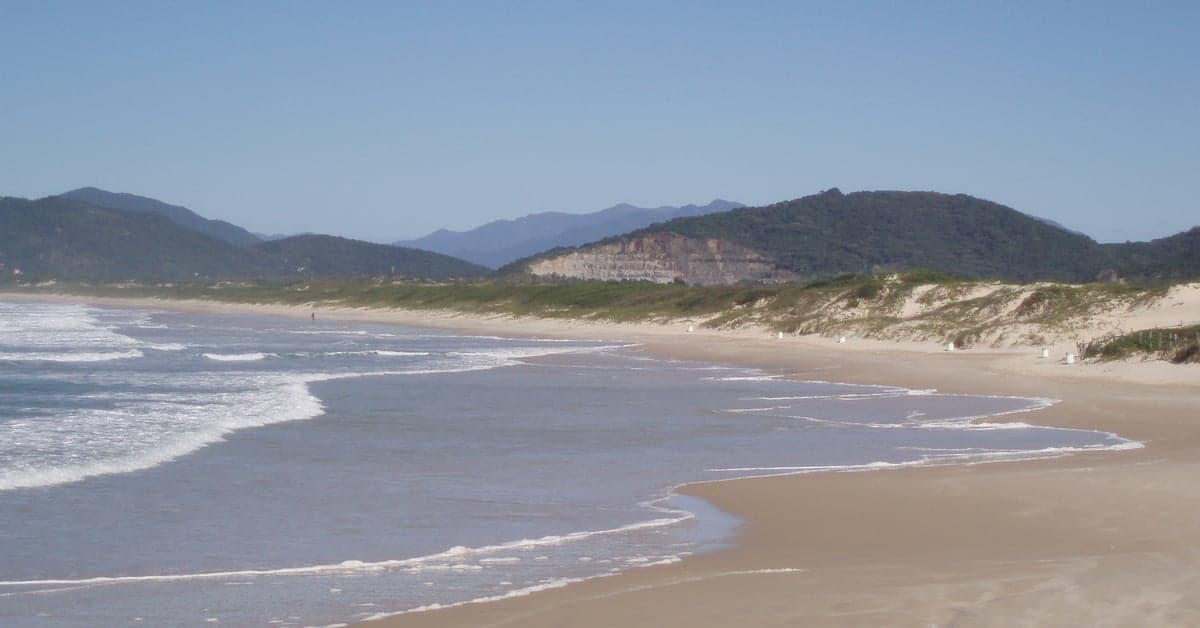
Florianópolis, Floripa to locals, is the capital of the Brazilian state of Santa Catarina, and most of the city sits on Santa Catarina Island, about 700 kilometers south of São Paulo by road. Three bridges connect the island to the mainland: the Colombo Salles and Pedro Ivo Campos road bridges, and the Hercílio Luz suspension bridge, which reopened in December 2019 after almost four decades closed. The island is roughly 54 kilometers long north to south, and the count most often used locally is 42 beaches. East-facing shores catch Atlantic swell and produce real surf. North-facing bays stay calmer and warmer. The south has long, lightly developed stretches backed by dunes and Atlantic Forest.
The beaches draw Argentine families (Buenos Aires is about a two-hour flight), Brazilian surfers and a growing number of remote workers. Summer runs December through March, with afternoon highs often around 28 to 30°C and sea temperatures generally in the low 20s °C.
Before You Swim: Water Quality and Lifeguards
Santa Catarina's environmental agency, IMA, samples bathing water at monitoring points around the island and publishes results roughly weekly on its balneabilidade (bathing water quality) map, marking each point próprio (fit for bathing) or impróprio (unfit). Points near river and stream outlets, especially on the busier north-coast beaches, are the ones most often flagged, so check the map before swimming. Lifeguard coverage is concentrated in the summer season; the surf beaches on the east coast have strong rip currents, so swim near a staffed post and follow the flags.
North Coast: Calm Water and Family Beaches
Jurerê Internacional
Jurerê Internacional is Floripa's most upscale beach: a planned district of large houses and beach clubs on a long bay with fine white sand and shallow, calm water. The day clubs run DJ events with bottle service and cover charges in high season. For the same calm water without the club scene, walk east to Jurerê Tradicional.
Canasvieiras and Ingleses
These two north-coast beaches are the most popular with Argentine families. The water is warm and usually gentle, many restaurants cater to Spanish speakers, and you will hear as much Spanish as Portuguese in January. Canasvieiras has the widest choice of budget pousadas. Ingleses runs for about 5 kilometers and has more space, with bigger surf toward its eastern end. Both are heavily built up, and both have monitoring points that IMA sometimes rates impróprio after heavy rain.
Lagoinha
Praia da Lagoinha is a small cove at the island's northern tip, between Ponta das Canas and Praia Brava. The water is clear and calm, and beach bars serve fried fish. It fills quickly on summer weekends, so arrive early if you are driving.
East Coast: Surf and Sand Dunes
Joaquina
Joaquina is Floripa's best-known surf beach. South and southeast swells reach it most of the year, and it has hosted international surf contests, including world tour events, over the decades. Behind the beach are the Joaquina dunes, where sandboards are rented by the hour and the ride down is faster than it looks. Rip currents are strong here; swim only near the lifeguard posts.
Praia Mole
Praia Mole sits between rocky headlands just north of Joaquina. The waves are usually a little smaller and the crowd younger, and the beach has long been popular with the LGBTQ+ community. From the north end of Praia Mole, a short trail over the rocks leads to Galheta, a small undeveloped beach with no facilities. Galheta was known for decades as a naturist beach, but Florianópolis's city council ended its naturist status in 2016, so nudity there is no longer legally permitted.
Barra da Lagoa
Barra da Lagoa is a fishing village with a wide, open beach and a narrow canal that connects Lagoa da Conceição to the ocean. The surf is usually gentler than at Joaquina. Cross the pedestrian bridge over the canal and follow the coastal trail to Prainha da Barra, a small cove with calmer, clear water that suits snorkeling on flat days; the walk takes about 20 minutes.
South Coast: Wild and Empty
Lagoinha do Leste
Lagoinha do Leste is the best-known of Floripa's beaches without road access. It sits inside a municipal park created in 1992 to protect one of the island's last large areas of Atlantic Forest. The shorter trail starts in Pântano do Sul: about 2.3 kilometers, steep, and usually around an hour to an hour and a half each way. A longer, gentler route of about 4 kilometers starts at Matadeiro, near Armação. Sections turn to mud after rain. Bring water, food and sun protection; there are no reliable vendors or facilities at the beach.
The beach is a long arc of sand backed by green hills, with a small freshwater lagoon behind it that gives the beach its name. The ocean side has powerful waves and currents, and there are no lifeguards, so most people swim in the calmer lagoon. Weekdays outside January and February are the quietest.
Pântano do Sul
Pântano do Sul is a working fishing village at the end of the road on the south coast. Fishing boats line the beach, and the restaurants serve the day's catch, typically grilled or fried whole fish with rice, beans and farofa. Bar do Arante, the village's best-known restaurant, is famous for walls and ceilings covered with notes left by visitors over decades. The beach is wide with moderate surf.
Naufragados
Naufragados, at the island's southern tip, is reached by a 3-kilometer trail from Caieira da Barra do Sul or by boat from the same village. The Naufragados lighthouse, built in 1861, stands on the headland, and the remains of 1890s coastal gun emplacements are nearby. A handful of simple restaurants operate in season, but there is no road, so plan for a half day.
Lagoa da Conceição
Lagoa da Conceição is a large saltwater lagoon in the middle of the island and Floripa's social center. Restaurants, bars and shops line the waterfront in the village of Lagoa. The wind on the lagoon is steady, which makes it one of southern Brazil's main spots for kitesurfing and windsurfing lessons, and the evening bar scene around the village center is the busiest on the island.
Where to Stay
Pick a base by what you want to do. Lagoa da Conceição is central, with the most restaurants and nightlife. Barra da Lagoa suits surfers and has a village feel. Campeche is residential and close to the south and east beaches. The north-coast beaches (Canasvieiras, Ingleses, Jurerê) have the most hotels and the calmest water but are farthest from the south. January and February are the peak, coinciding with Brazilian school holidays and the Argentine summer, so book early for those months.
Getting There and Around
Hercílio Luz International Airport (FLN), operated by Zurich Airport Brasil since 2017, is on the island about 14 kilometers south of downtown; its current terminal opened in 2019. Citizens of the United States, Canada and Australia have needed an eVisa for Brazil since April 10, 2025; check the U.S. State Department's Brazil page or your own government's travel advice before booking.
A rental car is the easiest way to reach several beaches in a day. City buses run through integration terminals, but routes between beaches are indirect and slow, and ride-hailing apps work across the island. The main roads (SC-401 to the north, SC-405 to the south) back up badly on summer weekends, so drive early in the morning or late in the afternoon.
Best Time to Visit
December through March is the beach season: hot days, the warmest water and full beaches. January and February are the busiest and most expensive. March and April are still warm, with fewer crowds and lower rates. From May through September the weather is cool (average daily temperatures in the mid to high teens °C in winter) and the sea is cold, which suits surfers in wetsuits more than swimmers.
What to Eat
The island specialty is sequência de camarão, a multi-course shrimp meal that usually includes fried shrimp, shrimp in sauce, shrimp soup or risotto and grilled shrimp, served family-style. The other draw is oysters: Florianópolis is Brazil's largest oyster-farming municipality, with most of the farms in the sheltered bays on the island's west side. The waterfront restaurants of Ribeirão da Ilha in the south and Santo Antônio de Lisboa and Sambaqui in the northwest serve them fresh, raw or gratinated, with views across the bay to the mainland.
Frequently Asked Questions
How many beaches does Florianópolis have?
The count most often used locally is 42, though it depends on how small coves are counted. The east coast has the surf beaches (Joaquina, Praia Mole, Barra da Lagoa), the north has calm bays (Jurerê, Canasvieiras, Ingleses), and the south has lightly developed and trail-only beaches (Lagoinha do Leste, Naufragados).
What is the best surf beach in Florianópolis?
Joaquina is the best-known surf beach and has hosted international contests, including world tour events, over the decades. It picks up south and southeast swells most of the year. Praia Mole and Barra da Lagoa also get regular waves, usually a little smaller. All three have strong rip currents, so swim near lifeguard posts.
When is the best time to visit Florianópolis beaches?
December through March is the beach season, with afternoon highs often around 28 to 30°C and sea temperatures in the low 20s °C. January and February are the busiest and most expensive months. March and April are still warm with fewer crowds. May through September is cool, with cold water.
Is the water clean at Florianópolis beaches?
Most monitoring points pass, but not all. Santa Catarina's environmental agency, IMA, tests bathing water around the island and publishes results roughly weekly, marking each point próprio (fit for bathing) or impróprio (unfit). Points near stream outlets on the busier north-coast beaches are flagged most often, especially after heavy rain. Check the IMA map before swimming.
Do I need a car in Florianópolis?
It helps. City buses run through integration terminals, but routes between beaches are slow and indirect. Ride-hailing apps work across the island. The main roads back up badly on summer weekends, so plan beach trips for early morning or late afternoon.
How do I get to Lagoinha do Leste?
On foot or by boat. The shorter trail from Pântano do Sul is about 2.3 kilometers and steep, usually an hour to an hour and a half each way. A longer, gentler route of about 4 kilometers starts at Matadeiro. Bring water, food and sun protection, and wear proper shoes because the trail gets muddy after rain.
Is Galheta still a nude beach?
Not legally. Galheta, reached by trail from the north end of Praia Mole, was known for decades as a naturist beach, but Florianópolis's city council ended its naturist status in 2016, so nudity there is no longer legally permitted.
What food is Florianópolis known for?
Sequência de camarão, a multi-course shrimp meal served family-style, and oysters. Florianópolis is Brazil's largest oyster-farming municipality, and the waterfront restaurants of Ribeirão da Ilha, Santo Antônio de Lisboa and Sambaqui serve them fresh.
Do Americans need a visa for Brazil?
Yes. Citizens of the United States, Canada and Australia have needed an eVisa for Brazil since April 10, 2025. Apply before you travel and check your government's travel advice for current entry rules.