Budget Beach Destinations in Central America
Table of Contents
Prices in this guide are approximate and change often. Check with the hotel, airline or operator before you book.
Central America: The Budget Beach Corridor
Central America compresses six countries and two coastlines into a landmass smaller than Texas. The Pacific side has consistent surf breaks and dramatic sunsets. The Caribbean side has warm, calm water, coral reefs, and Afro-Caribbean culture that feels nothing like the Pacific coast villages 200 miles west. Both sides are cheap.
Daily budgets run from about $20 to $70 per person, with El Salvador and Nicaragua at the low end and Costa Rica at the top. Here's what each country costs and where to find the best beaches for the least money.
Nicaragua: $25-40 Per Day
San Juan del Sur
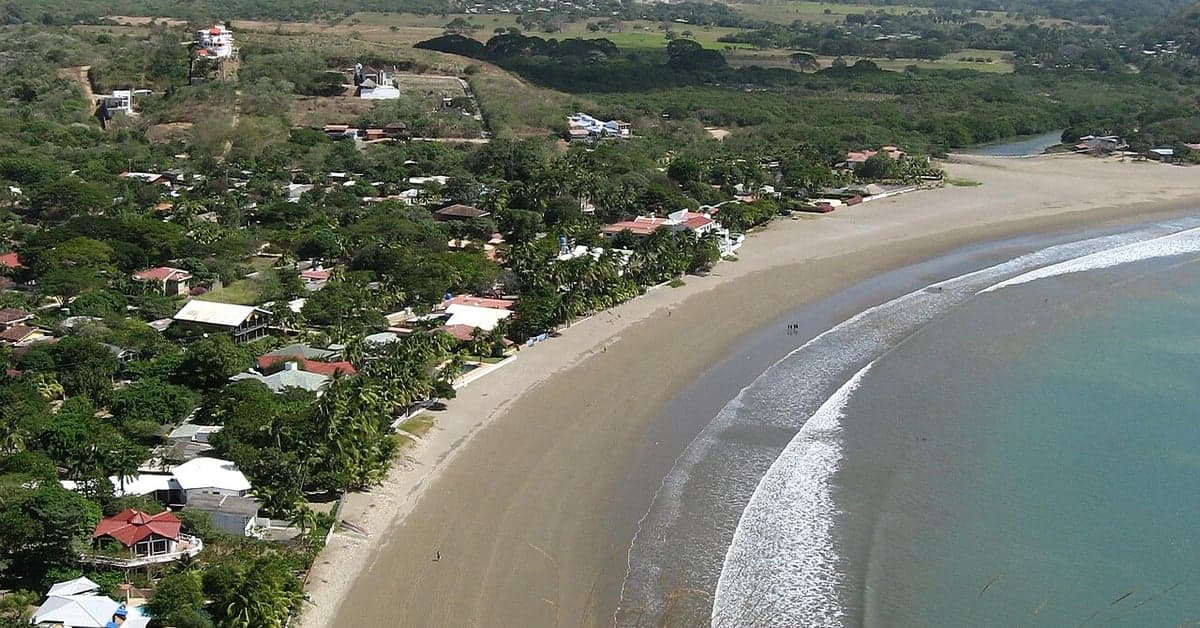
San Juan del Sur is the backpacker hub, and prices reflect the competition. Hostels with dorm beds run $7 to $12, private rooms $18 to $30. Casa de Olas near the south end of the main beach charges $22 for a double with fan and shared kitchen. The beach in town is fine but not special — the real draws are Playa Maderas (20 minutes north by shuttle, $3 round-trip) and Playa Hermosa (30 minutes south), both with better waves and fewer people.
Pacific Beaches North of San Juan
Popoyo, two hours north of San Juan del Sur, attracts serious surfers with a powerful reef break and zero nightlife. Rooms at Popoyo Surf Lodge start at $15. Magnific Rock, a climbing-gym-meets-surf-camp compound on the cliff above the break, has dorms for $10. Restaurants in the area serve casado (rice, beans, meat, plantain) for $3 to $5.
Corn Islands
Little Corn Island, off the Caribbean coast, is the best beach in Nicaragua — turquoise water, no cars, no ATMs, and reggae playing from every other building. Getting there requires a flight from Managua to Big Corn ($80-120 one way on La Costeña airlines), then a panga boat to Little Corn ($6, 30 minutes). Budget guesthouses like Grace's Cool Spot charge $20 to $35 per night. Lobster dinners cost $8 to $12 from October through June.
Daily Budget
- Accommodation: $10-25
- Food: $8-15
- Transport: $2-5
- Activities: $0-5
- Total: $25-40/day
El Salvador: $20-35 Per Day
El Tunco
El Tunco is El Salvador's main surf beach, a strip of black volcanic sand 40 minutes from San Salvador. It's developed enough to have restaurants, surf shops, and hostels, but small enough to walk end to end in 10 minutes. Papaya Lodge has dorms for $9 and private rooms for $22. La Guitarra hostel charges $8 for a dorm and has a pool. Board rental runs $5 to $8 per day.
El Zonte
Ten minutes west of El Tunco, El Zonte gained international attention as "Bitcoin Beach" — many businesses accept Bitcoin, which is an interesting novelty but irrelevant to your budget. What matters: the beach is less crowded than El Tunco, the wave is friendlier for beginners, and Esencia Nativa hostel charges $7 for a dorm bed with ocean views.
Food Costs
Pupusas — thick corn tortillas stuffed with cheese, beans, or pork — cost $0.30 to $0.50 each. Three pupusas with curtido (cabbage slaw) and salsa roja is a complete meal for $1.50. This is the national dish and you'll eat them daily, happily. Casados at comedores run $2.50 to $4. A Pilsener beer at a tienda costs $1.
Daily Budget
- Accommodation: $8-22
- Food: $6-10
- Transport: $1-3
- Activities: $0-5
- Total: $20-35/day
Guatemala: Pacific Coast and Caribbean
Pacific Side
Guatemala's Pacific coast is the least touristed beach region in Central America. El Paredon, a fishing village turned surf camp, is the main destination. Driftwood Surfer hostel has dorms for $8 and private cabanas for $20. The wave is a fast, hollow beach break best suited for intermediate surfers. Boat tours through the mangrove channels cost $10 per person and include wildlife spotting — crocodiles, iguanas, and dozens of bird species.
Caribbean Side
Livingston, accessible only by boat from Rio Dulce, is a Garifuna community on the Caribbean coast. Tapado — a coconut milk seafood soup — costs $5 to $8 and is one of the best meals in Central America. Budget hotels along the waterfront charge $15 to $25. The beach at Playa Blanca is a 30-minute boat ride ($5 round-trip) and has white sand and decent snorkeling.
Daily Budget
- Accommodation: $8-25
- Food: $6-12
- Transport: $2-5
- Activities: $0-10
- Total: $20-45/day
Honduras: Roatán and the Mainland
Roatán on a Budget
Roatán is the most expensive destination in Honduras but also the most rewarding for divers. A PADI Open Water certification costs $250 to $300 — cheaper than almost anywhere else in the world. Utila, the neighboring island, is even cheaper at $220 to $280 for the same cert. Budget accommodation on Roatán's West End runs $20 to $40 for a simple room. Dive shops like Coconut Tree Divers offer hostel bunks for $10 if you're diving with them.
Mainland Beaches
Tela, on the Caribbean mainland coast, has a long, palm-lined beach with almost no tourists. Hotel Ejecutivos Mango charges $15 for a room with AC. The Garifuna communities of Triunfo de la Cruz and Miami (yes, Miami — a village of about 1,000 people) serve fried fish and coconut bread for $3 to $5. Lancetilla Botanical Garden, the second-largest tropical botanical garden in the world, is $3 entrance and a 30-minute walk from town.
Daily Budget
- Accommodation: $10-35
- Food: $7-15
- Transport: $2-8
- Activities: $0-15 (diving days push higher)
- Total: $25-60/day
Panama: Bocas del Toro
The Archipelago
Bocas del Toro is a cluster of islands off Panama's Caribbean coast, accessible by a $6 water taxi from Almirante (bus from Panama City to Almirante takes 10 hours and costs $28 on the express service). Bocas Town on Isla Colón is the main hub — colorful Caribbean houses on stilts, reggae bars, and a revolving population of backpackers.
Accommodation
Hostel Heike has dorms for $10 and private rooms for $28. Mondo Taitu charges $8 for a hammock and $12 for a dorm bed, with a bar and dock over the water. For something quieter, catch a $3 boat taxi to Isla Bastimentos and stay at Palmar Tent Lodge ($35 for a tent on a wooden platform over the jungle — more glamping than budget, but memorable).
Food and Activities
Restaurants along the waterfront in Bocas Town charge $5 to $10 for Caribbean seafood plates. Super Gourmet deli does sandwiches for $4. A boat tour to Starfish Beach, Zapatilla Islands, and Coral Cay costs $25 per person and includes lunch — this is the one tour worth paying for. Snorkel gear rental runs $5 per day.
Daily Budget
- Accommodation: $10-35
- Food: $8-15
- Transport: $3-8
- Activities: $0-10
- Total: $25-55/day
Costa Rica: Expensive but Manageable at $50-70 Per Day
Why It Costs More
Costa Rica is the most expensive country in Central America by a significant margin. National park fees range from $12 to $18 per person. A casado at a soda (local restaurant) costs $5 to $8 — compared to $2.50 to $4 in El Salvador or Nicaragua. Budget rooms start at $25 to $40 per night where equivalent rooms in neighboring countries cost $10 to $20.
Where to Go Cheap
Santa Teresa on the Nicoya Peninsula has the best surf and the widest range of budget lodging. Selina hostel has dorms for $14 and private rooms for $40. Casa Zen Guesthouse charges $30 for a double. Avoid Manuel Antonio — it's overpriced for what it offers. Puerto Viejo de Talamanca on the Caribbean side is cheaper (dorms $8-12, doubles $20-30) and has a reggae-infused vibe similar to Bocas del Toro.
Daily Budget
- Accommodation: $15-40
- Food: $12-20
- Transport: $5-10
- Activities: $5-15
- Total: $50-70/day
Overland Travel Between Countries
Chicken Buses
The "chicken bus" — a retired American school bus painted in bright colors and driven at alarming speeds — is the primary public transport in Guatemala, Honduras, and El Salvador. Routes cost $0.50 to $3 depending on distance. They're crowded, loud, sometimes have livestock aboard, and are the single most authentic transportation experience in Central America. Long-distance routes between cities run $5 to $15.
Border Crossings
Land borders between Central American countries charge exit and entry fees. Guatemala to El Salvador is usually free. Honduras charges a $3 exit fee. Nicaragua charges $12 to $15 at the border. Panama charges $3 to $5 depending on the crossing point. Always carry small US bills — borders accept dollars and rarely have change for large notes. Arrive early (before 10 AM) to avoid lines. The CA-4 agreement between Guatemala, Honduras, El Salvador, and Nicaragua allows free movement between those four countries on a single visa stamp for 90 days.
Shuttle Services
Tourist shuttles between major destinations (Antigua to El Tunco, for example) cost $25 to $45 and run door to door. They're five times the price of public buses but save hours of transfers and confusion. Worth it once or twice on a long trip; not worth it as your primary transport if you're budget-focused.
Frequently Asked Questions
What is the cheapest beach destination in Central America?
El Salvador is the cheapest at $20-35/day. Dorm beds in El Tunco cost $8-9, pupusas (the national dish) are $0.30-0.50 each, and surfboard rental runs $5-8/day. Nicaragua is close behind at $25-40/day with hostels from $7 and lobster dinners on Little Corn Island for $8-12.
Is Central America safe for beach travel?
Tourist beach areas are generally safe across the region. El Tunco and El Zonte in El Salvador, San Juan del Sur in Nicaragua, Bocas del Toro in Panama, and the Corn Islands are well-established backpacker circuits. Use normal precautions — avoid walking alone late at night, keep valuables secure, and use registered transport.
How do you get around Central America cheaply?
Retired American school buses (chicken buses) are the primary public transport in Guatemala, Honduras, and El Salvador, costing $0.50-3 per ride. Long-distance routes between cities run $5-15. Tourist shuttles between major destinations cost $25-45 door to door. The CA-4 agreement allows free movement between Guatemala, Honduras, El Salvador, and Nicaragua for 90 days.
What is the best surf beach in Central America?
El Tunco and El Zonte in El Salvador have consistent Pacific breaks with board rental at $5-8/day. Popoyo in Nicaragua has a powerful reef break favored by experienced surfers. Santa Teresa in Costa Rica offers the widest range of surf and accommodation. El Paredon in Guatemala is a fast, hollow beach break for intermediates.
Is Costa Rica more expensive than other Central American countries?
Yes, significantly. Costa Rica costs $50-70/day versus $20-40 in El Salvador and Nicaragua. National park fees are $12-18, a local restaurant meal costs $5-8 (versus $2.50-4 elsewhere), and budget rooms start at $25-40. The tradeoff is better infrastructure, safer roads, and more polished tourism services.
What is the best Caribbean beach in Central America?
Little Corn Island, Nicaragua has the best Caribbean beach in the region — turquoise water, no cars, no ATMs, and lobster dinners for $8-12. Budget guesthouses charge $20-35/night. Bocas del Toro, Panama offers colorful Caribbean houses on stilts and boat trips to Starfish Beach for $25 per person including lunch.
How much does scuba certification cost in Central America?
Honduras offers the cheapest PADI Open Water certification in the world. Utila costs $220-280 and Roatan costs $250-300 for full certification. Dive shops on Roatan like Coconut Tree Divers offer hostel bunks for $10/night if you are diving with them. Both islands sit on the Mesoamerican Barrier Reef.