Best Surfing Beaches for Beginners Worldwide
Table of Contents
Prices in this guide are approximate and change often. Check with the hotel, airline or operator before you book.
Why Beginners Need the Right Beach
Surfing's learning curve depends heavily on where you paddle out. A mellow break with a sandy bottom, waist-high whitewater and lifeguards makes standing up in your first lesson realistic. A reef break with overhead sets is the opposite. The places on this list share a few traits: consistent small waves, a forgiving bottom (sand, or reef deep enough at the right tide), mostly warm water, and plenty of surf schools that rent soft-top boards. Before you go anywhere, learn to spot a rip current; the US National Weather Service rip current guide is a good five-minute primer, and its first rule applies everywhere: swim and surf near a lifeguard and ask about conditions.
The Eight Compared
| Beach | Bottom | Water | Most consistent season | Wetsuit |
|---|---|---|---|---|
| Waikiki (Canoes), Hawaii | Reef, well offshore | 76 to 82°F | South swells, roughly April to September; winter is small | No |
| Tamarindo, Costa Rica | Sand | About 80°F | Surfable most days; crowded December to April | No |
| Muizenberg, South Africa | Sand | Low 60s to about 70°F | - | Yes, 3/2 or thicker in winter |
| Kuta, Bali | Sand | About 80°F | Dry season, roughly April to October | No |
| Sayulita, Mexico | Beach break | Low 70s (winter) to mid 80s °F (summer) | - | - |
| Byron Bay (Main Beach, Clarkes), Australia | - | High 60s (winter) to high 70s °F (summer) | - | - |
| Praia da Arrifana, Portugal | Sand | About 60 to 68°F | - | Yes |
| Weligama, Sri Lanka | Sand | 80 to 84°F | November to April | No |
Waikiki Beach, Oahu, Hawaii
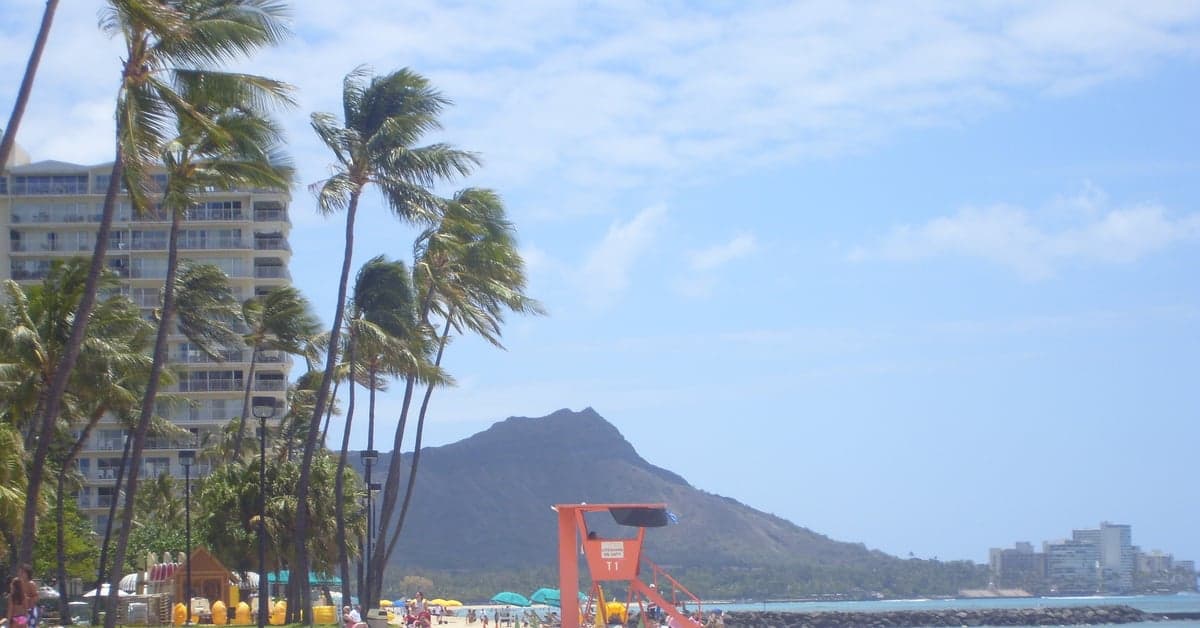
Waikiki is where Duke Kahanamoku and the beach boys popularized modern surfing, and it remains one of the most beginner-friendly places on earth. The break at Canoes sits well offshore and produces slow, rolling waves, usually in the two-to-four-foot range, that give long rides. It breaks over reef rather than sand, so expect the bottom to be shallower at low tide and wear a leash. The water is warm all year, roughly 76 to 82°F.
Surf schools and board-rental stands line the beach along Kalakaua Avenue. Group lessons are among the most expensive anywhere (often around $80 to $120 for two hours), and private lessons cost more. Compare what is included: board, rash guard and the instructor-to-student ratio.
Best Time to Go
Waikiki faces south, so its most consistent surf comes from south swells in the summer months (roughly April to September); Canoes stays manageable on most days. In winter the big surf hits the North Shore, and Waikiki is often small, which suits complete beginners. Spring break and the Christmas holidays are the most crowded periods.
Tamarindo, Costa Rica
Tamarindo's main beach break works on most tides and is surfable most days of the year. The sandy bottom is forgiving, the water sits around 80°F, and the lineup is full of other learners. The town has many surf schools and board-rental shops, and lessons and day rentals are cheaper than in Hawaii.
The town itself is busy and built up. It gets crowded in the dry season (December to April). Playa Avellanas, about half an hour's drive south, has similar waves with fewer people.
Muizenberg, Cape Town, South Africa
Muizenberg's long, rolling whitewater at Surfer's Corner is one of the gentlest beginner waves in Africa. It breaks over sand, and the water is cool (roughly the low 60s to around 70°F depending on season), so you will want a wetsuit, typically a 3/2 or thicker in winter. Several surf schools operate from the beachfront, and the colorful beach huts along the promenade make it one of the most photographed surf spots in the country.
False Bay has great white sharks. Muizenberg has no shark net (the only exclusion net in the area is at Fish Hoek), but it is covered by the Shark Spotters program, whose spotters watch from the mountainside and raise flags and sirens when a shark is seen. Learn the flag system before you paddle out, and get out of the water when the siren sounds.
Kuta Beach, Bali, Indonesia
Kuta is Bali's original surf beach, and despite heavy development the wave itself is good for beginners: a beach break over sand with consistent small waves and water around 80°F. Board rental from the stands along the beach is cheap, and dozens of surf schools run group lessons.
Kuta is loud and touristy, but the infrastructure makes it easy for first-timers. Seminyak, farther up the same stretch of coast, is quieter; Canggu's currents and crowds suit improving surfers better than first-timers. The best season on this west-facing coast is the dry season, roughly April to October.
Sayulita, Mexico
This small town on Mexico's Pacific coast in Nayarit has a reliable beach break that works on most tides, with a gentle left near the river mouth that is popular with learners. Water temperatures range from the low 70s °F in winter to the mid-80s in summer. Plenty of surf schools operate on the beach.
The real drawback is water quality. Sayulita has had long-running problems with sewage and river runoff, especially after heavy rain, which can make the water murky and unsafe near the river mouth. Check recent local reports and avoid surfing near the river after storms.
Byron Bay, Australia
The Pass at Byron Bay is famous among longboarders and gets very crowded, so beginners usually learn at Main Beach or Clarkes Beach, where several surf schools run lessons. Water temperatures range from the high 60s °F in winter to the high 70s in summer. Byron is expensive by Australian standards. Once you improve, The Wreck (the remains of the steamer Wollongbar, off Main Beach) produces a fun peak close to shore.
Praia da Arrifana, Portugal
Portugal's southwest coast is one of Europe's main surf-learning regions, and Arrifana, near Aljezur, is one of its most sheltered beaches. The curved bay, backed by high cliffs, takes the edge off Atlantic swell and gives organized waves over sand. Water temperatures run roughly 60 to 68°F through the year, so a wetsuit is essential. Several surf schools operate here and in nearby Aljezur.
The beach lies inside the Southwest Alentejo and Vicentine Coast Natural Park, so development is limited and the landscape is dramatic: high cliffs and coastal trails. A few restaurants sit above the beach, and Aljezur, the nearest town, is about a 15-minute drive.
Weligama, Sri Lanka
Weligama Bay on the south coast of Sri Lanka is a textbook beginner spot. The wide, sandy bay produces gentle rollers with plenty of room to practice, and the water is warm all year (around 80 to 84°F). Board rental and lessons are among the cheapest anywhere, and surf schools line the beach road. The November-to-April season brings the most consistent conditions on this coast; from about May to October the southwest monsoon makes it rougher.
Gear Tips for First-Timers
Rent before you buy. A soft-top board of 8 to 9 feet is all you need for your first sessions, because the extra volume makes catching waves much easier. If you decide to buy, inexpensive 8-foot foam boards are widely sold at big-box stores in the US and are a popular first board. Use a water-resistant, broad-spectrum sunscreen and reapply after every session.
- Rash guard: Prevents board rash on your chest and stomach, and adds sun protection. Worth it even in warm water.
- Booties: Useful for rocky entries, reef breaks and cold water. On warm sand beaches, bare feet are fine.
- Leash: Always use one. A runaway board is dangerous to other surfers and swimmers.
- Wax: Comes in tropical, warm, cool and cold grades; match it to the water temperature. Rental shops usually wax boards for you.
Etiquette That Matters
Beginners get a lot of slack, but not infinite slack. Learn three rules before you paddle out. First, the surfer closest to the peak has right of way, so do not drop in on someone already riding. Second, paddle wide around the break, not straight through the lineup. Third, hold onto your board when a wave comes at you; letting it go puts everyone behind you at risk.
Most lineups are friendlier than the internet suggests. A simple "sorry" when you make a mistake goes a long way. Surf schools teach these basics, which is another reason to take a lesson or two before going solo.
Frequently Asked Questions
What is the easiest beach in the world to learn to surf?
Waikiki in Oahu, Hawaii is widely considered one of the easiest. The waves at Canoes are usually two to four feet and roll slowly, giving long rides, and the water is warm all year (roughly 76 to 82°F), so no wetsuit is needed. It breaks over reef, so it is shallower at low tide; wear a leash.
How much do surf lessons cost for beginners?
It varies widely by country. Hawaii is among the most expensive, with group lessons often around $80 to $120 for two hours. Costa Rica and Mexico are cheaper, and Bali and Sri Lanka are among the cheapest places in the world to take lessons and rent boards. Check what is included (board, rash guard, group size).
What size surfboard should a beginner use?
A soft-top foam board between 8 and 9 feet long. The extra volume and length add stability and make it much easier to catch waves. Rent one for your first sessions before deciding to buy.
Is it safe to learn surfing without lessons?
You can teach yourself, but a lesson or two shortens the learning curve and reduces injury risk. Instructors cover wave reading, rip currents and right-of-way rules that self-taught surfers often miss. At minimum, learn to spot a rip current and surf near a lifeguard.
What is the best time of year to learn to surf?
It depends on the coast. Waikiki is beginner-friendly all year, with the most consistent surf in summer and smaller waves in winter. Bali's west coast is best in the dry season (roughly April to October), Sri Lanka's south coast from November to April, and Portugal's Atlantic coast is most comfortable from June to September.
How long does it take to learn how to surf?
Many people stand up on whitewater in their first lesson. Catching unbroken waves consistently usually takes many more sessions, and reaching an intermediate level where you can turn and read waves takes months of regular practice.
Do you need to be a strong swimmer to learn surfing?
You should be comfortable swimming in open water and handling being knocked over by a wave. Beginner spots are often shallow enough to stand, but not always. If you are not a confident ocean swimmer, build that up before you surf.