Best Beaches in Rio de Janeiro: Copacabana, Ipanema, and Beyond
Table of Contents
Prices in this guide are approximate and change often. Check with the hotel, airline or operator before you book.
Rio de Janeiro Beaches: More Than Just the Famous Two
Rio de Janeiro has over 90 kilometers of coastline and dozens of beaches, but most visitors never get past Copacabana and Ipanema. That's a mistake. The city stretches from the wild surf of Prainha in the west to the sheltered coves of Urca in the east, with radically different vibes at each stop. Water temperature hovers around 22-26°C year-round, and beach culture here isn't a weekend activity — it's a way of life.
The iconic Rio de Janeiro beaches draw over 2 million international tourists annually. Understanding which stretch of sand fits your mood separates a good trip from a great one.
Copacabana: The World's Most Famous Beach
Copacabana runs four kilometers along a gentle arc, backed by the famous black-and-white mosaic promenade, laid out in its current form by Roberto Burle Marx in the 1970s. The beach is divided into postos (lifeguard stations) numbered 1 through 6, each with a distinct personality. Posto 5 and 6 near the Copacabana Fort attract locals and older residents. Posto 2 and 3 are tourist central, packed with beach vendors selling caipirinhas for 12-18 reais ($2.50-3.50) and grilled cheese on a stick.
Rent a beach chair and umbrella from a barraqueiro for about 20-25 reais ($4-5) for the day. The waves here are moderate — manageable for swimming but watch the undertow near Posto 1. For food, skip the hotel restaurants and walk to Cervantes on Avenida Prado Júnior for their steak-and-pineapple sandwich (about 45 reais). It's a late-night institution.
New Year's Eve on Copacabana is legendary. Over two million people crowd the sand for fireworks launched from boats offshore. If you're visiting during Réveillon, book hotels at least six months ahead and expect to pay triple the normal rate.
Ipanema and Leblon: Where Cariocas Actually Go
Ipanema
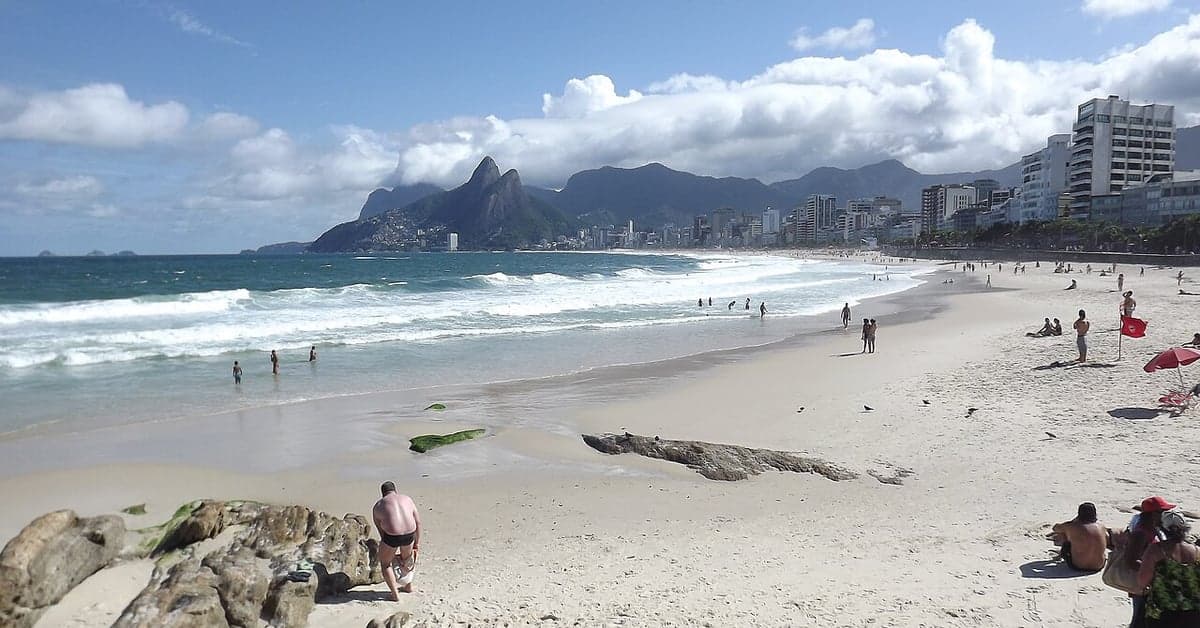
Ipanema sits just west of Copacabana, separated by the rocky point of Arpoador. The sand is slightly coarser, the waves stronger, and the crowd noticeably more local. Each posto has carved out its identity over decades. Posto 9 is the bohemian-counterculture section where artists and intellectuals have gathered since the 1960s. Posto 8 is the LGBTQ+ hub. The area near Posto 7 fills with families on weekends.
The real draw of Rio de Janeiro beaches like Ipanema is the sunset ritual. Every evening, crowds gather at Arpoador Rock to watch the sun drop behind the Dois Irmãos (Two Brothers) peaks. When it finally dips below the ridge, people applaud. Get there 30-40 minutes early for a spot on the rocks.
For lunch, walk two blocks inland to Zaza Bistrô Tropical on Rua Joana Angélica. Their Asian-Brazilian fusion dishes run 55-90 reais ($11-18) and the decor is worth the visit alone.
Leblon
Leblon is the quieter, wealthier extension of Ipanema. The sand is the same quality, the water nearly identical, but the scene is more polished. Families dominate the eastern end near Posto 12, which has a dedicated playground area called Baixo Baby. Leblon's beachfront kiosks serve better-than-average food — Barraca do Pepê is a local institution for açaí and sandwiches.
Arpoador: The Surfer's Perch
Arpoador is technically its own beach, wedged between Copacabana and Ipanema around a rocky headland. It's small — maybe 500 meters — but produces Rio's most accessible surf break. The left-hand point break works best on south swells from April through September. Board rentals from shops across the road cost about 50-70 reais ($10-14) for two hours.
Even if you don't surf, Arpoador is worth a visit for the flat rocks that extend into the water. Locals perch here with beers and snacks at golden hour. It's the most relaxed sunset spot among all the Rio de Janeiro beaches.
Prainha and Grumari: Rio's Wild West
Prainha
Forty minutes west of Ipanema (without traffic — double that on weekends), Prainha is a 700-meter crescent of sand hemmed in by green hills. The surf is powerful and consistent, attracting Rio's best surfers. There are no high-rises, no vendors, and no postos. Just a small parking lot, a couple of food trucks, and waves.
Prainha is part of an environmental protection area, which is why development stopped here. The water is noticeably cleaner than the city beaches. Come on a weekday morning and you might share it with a dozen surfers and nobody else.
Grumari
Just past Prainha, Grumari is even wilder. A long stretch of sand backed by restinga vegetation, with a few rustic barracas serving fried fish and cold beer. The far western end is a designated nudist section (Praia do Abricó). Grumari gets fewer visitors because of the distance from the Zona Sul, but that's exactly the appeal. These quieter Rio de Janeiro beaches feel like a different country from Copacabana.
Praia Vermelha and Urca
Praia Vermelha sits at the base of Sugarloaf Mountain and is one of Rio's most sheltered beaches. The cove is protected from open-ocean swell, making the water calm and warm — perfect for swimming with small children. The sand has a reddish tint from mineral deposits in the surrounding rocks, which gives the beach its name (Red Beach).
The beach is small, about 300 meters long, and fills quickly on weekends. Come early. The cable car to Sugarloaf departs from a station just behind the beach — tickets cost 130 reais ($26) for adults. Combine a morning beach session with an afternoon ride up the mountain.
Around the headland, the Urca neighborhood has a waterfront wall called the Mureta da Urca where locals drink chopp (draft beer) and eat pastéis while watching boats in Guanabara Bay. A chopp costs about 10-12 reais. It's one of Rio's most genuine experiences.
Barra da Tijuca: Space to Breathe
Barra da Tijuca runs for 18 kilometers, making it Rio's longest beach. The western sections are empty on weekdays — long stretches of clean sand with strong waves and no buildings immediately behind the dunes. The eastern end near Shopping Village Mall is more developed, with kiosks and a boardwalk. Among the Rio de Janeiro beaches, Barra offers the most room to spread out.
Barra was the main venue zone for the 2016 Olympics, and the area has good infrastructure. If you're staying in an Airbnb (apartments here cost less than Zona Sul), the beach is a strong daily option. Bus 2018 connects Barra to Ipanema in about 45 minutes.
Practical Tips for Rio de Janeiro Beaches
Safety
Petty theft is real. Don't bring anything you can't afford to lose. Leave your phone at the hotel or use a waterproof pouch tight to your body. Don't set bags down where you can't feel them. The "arrastão" (group grab-and-run) still happens occasionally at the far ends of beaches near the streets. Stay between postos during daylight hours and you'll be fine.
Getting Around
The metro connects the Zona Sul beaches efficiently. Stations at General Osório (Ipanema), Cantagalo (Copacabana/Ipanema border), Siqueira Campos and Cardeal Arcoverde (Copacabana) put you within a five-minute walk of sand. For Prainha and Grumari, take an Uber or rent a car — expect 60-90 reais ($12-18) each way from Ipanema by rideshare.
Best Months to Visit
Rio's beach season peaks December through March when temperatures hit 32-38°C and the city is at full energy. Carnival (usually February) is the ultimate experience but accommodation prices spike 3-5x. April through June offers warm weather, smaller crowds, and lower prices — the sweet spot for Rio de Janeiro beaches. The official Rio tourism site has current event listings.
What to Eat on the Sand
Beach vendors sell biscoito Globo (puffy tapioca crackers, 5 reais), queijo coalho (grilled cheese skewers, 8-12 reais), mate gelado (cold mate tea, 5-7 reais), and açaí cups (15-20 reais). The matte and biscoito combo is the quintessential Rio de Janeiro beaches snack — salty, crunchy, cold, and cheap.
For more on coastal destinations across the continent, check our destination guides covering every major beach region.
Beyond the Beach: Rio's Coastal Hikes
The Trilha do Telégrafo above Grumari leads to a cliff edge with an optical illusion that makes it look like you're standing over a sheer drop — the Instagram classic. The hike takes about 40 minutes each way and rewards with panoramic views of the entire western coastline. Wear proper shoes; the trail is rocky and exposed.
Pedra Bonita, in Tijuca National Park, gives you a bird's-eye view of São Conrado beach and the hang gliders launching from the ramp below. The hike is 1.5 kilometers and moderately steep. Entry is free. From the top, you can see the full sweep of Rio de Janeiro beaches stretching east toward Copacabana.
Frequently Asked Questions
Which is better, Copacabana or Ipanema?
Ipanema has a more local, upscale feel with distinct cultural zones at each posto and the famous Arpoador sunset. Copacabana is wider, more tourist-friendly, and has better nightlife access. For a first visit, spend a day at each — they're a 15-minute walk apart.
Is it safe to swim at Rio de Janeiro beaches?
Most beaches have lifeguards (postos) and flag systems indicating conditions. Copacabana and Ipanema are generally safe for swimming, though rip currents occur. Prainha and Grumari have stronger surf. Praia Vermelha is the calmest option. Always swim between the flags and check conditions with lifeguards.
When is the best time to visit Rio de Janeiro beaches?
Peak beach season is December through March with temperatures of 32-38°C. April through June is the sweet spot — warm weather, smaller crowds, and lower hotel prices. Avoid July-August if you want beach weather, as temperatures can drop to 20°C.
How much does a day at the beach cost in Rio?
Budget about 60-100 reais ($12-20) per person for a comfortable day: chair and umbrella rental (20-25 reais), two caipirinhas (24-36 reais), snacks like biscoito Globo and queijo coalho (15-20 reais), and a coconut water (8-12 reais).
How do I get to Prainha beach from Ipanema?
Prainha is about 40 minutes west of Ipanema without traffic. Take an Uber or taxi for 60-90 reais ($12-18) each way. There's no direct public transit. On weekends, allow double the drive time due to traffic on the coastal road.
Can you surf at Rio de Janeiro beaches?
Arpoador has a consistent point break great for intermediate surfers. Prainha has powerful waves attracting Rio's best surfers. Barra da Tijuca has multiple peaks spread along 18 kilometers. Board rentals cost 50-70 reais ($10-14) for two hours at shops near each break.
What should I not bring to Rio's beaches?
Leave jewelry, expensive watches, laptops, and cameras at your hotel. Carry only a small amount of cash (50-100 reais), your room key, and sunscreen. Use a waterproof phone pouch if you must bring your phone. Petty theft, including group grab-and-run incidents, is common.
Are there nude beaches in Rio de Janeiro?
Praia do Abricó at the western end of Grumari is Rio's only official nudist beach. It's about 50 minutes from Ipanema by car and is well-maintained with basic facilities. The beach is sheltered and relatively private due to its distance from the city center.