
The Best Beaches in the US Virgin Islands
Table of Contents
Caribbean Beaches, American Territory
The U.S. Virgin Islands sit about 1,100 miles southeast of Miami -- three main islands (St. Thomas, St. John, St. Croix) and dozens of smaller cays scattered across some of the clearest water in the Caribbean. No passport required. The currency is the U.S. dollar. Your cell phone plan works. These are American beaches with Caribbean water, and that convenience factor is a big part of the draw.
St. Thomas is the commercial hub -- cruise ships, duty-free shopping, resorts. St. John is two-thirds national park, with beaches that consistently rank among the best in the world. St. Croix is the largest and least visited, with a stronger local culture and excellent diving. Each island has a distinct personality, and the inter-island ferries and seaplanes make it easy to combine two or three in a single trip.
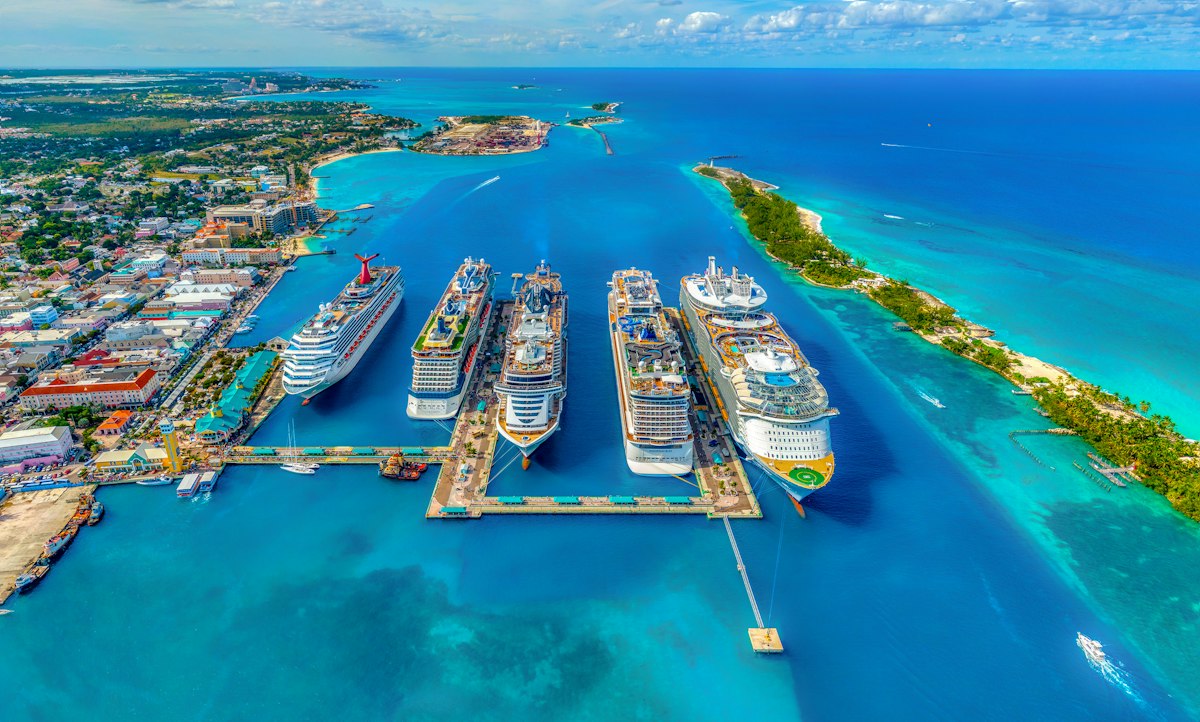
Trunk Bay (St. John)
Trunk Bay is the most photographed beach in the Virgin Islands, and probably the most photographed in the entire Caribbean. The aerial view -- white sand, turquoise water, a small offshore cay, all framed by green hillsides -- is the image that sells the USVI to the world. It's part of the Virgin Islands National Park and charges a $5 entry fee.
The beach is large enough to absorb crowds, though it gets busy between 10 AM and 2 PM when the tour vans from Cruz Bay arrive. Go early or late for a calmer experience. The underwater snorkel trail -- a marked path with informational plaques embedded in the reef -- runs along the shore of the offshore cay. It's a good introduction for first-time snorkelers, though the coral has suffered from bleaching and storm damage over the years.
Facilities
Trunk Bay has lifeguards, bathrooms, a snack bar, and snorkel gear rental ($10/day). It's the most developed beach in the national park. The parking lot fills early in high season, so either arrive by 8:30 AM or take a taxi from Cruz Bay ($7 per person).
Magens Bay (St. Thomas)
Magens Bay is a heart-shaped bay on the north shore of St. Thomas, surrounded by steep green hillsides that give it a landlocked, lagoon-like feel. The water is almost always flat calm -- waves rarely exceed six inches. The sand is soft and white, and the beach curves for about three-quarters of a mile. Entrance is $5 per person.
It's a popular beach with both tourists and locals. Weekend afternoons bring a festive energy, with families, music, and food vendors setting up along the tree line. The beachside bar and grill does a decent cheeseburger for $12 and sells cold Cruzan rum drinks.
The Drive Down
The road from Charlotte Amalie (the capital) to Magens Bay crosses over the mountain spine of St. Thomas. At the top, the Mountain Top bar -- a long-running tourist institution -- claims to have invented the banana daiquiri. The claim is dubious but the view from the terrace is real: a panorama of the British Virgin Islands, Hans Lollik island, and the Sir Francis Drake Channel. A banana daiquiri here ($12) is a reasonable tourist tax.
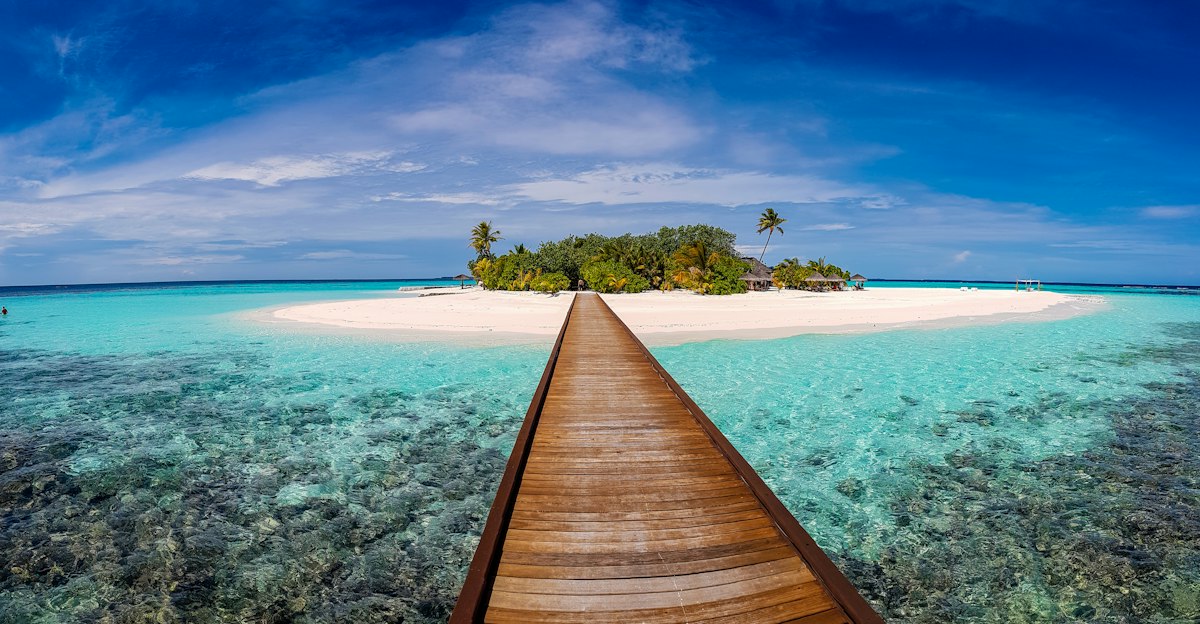
Cinnamon Bay (St. John)
Cinnamon Bay is the national park beach with the most to do. The beach is long and wide, backed by a campground and eco-resort that was rebuilt after Hurricane Irma in 2017. The Cinnamon Bay Resort & Campground offers tent sites ($60-80/night), eco-cottages ($200+), and equipment rentals for kayaks, paddleboards, and snorkel gear.
The snorkeling here is better than Trunk Bay. The reef on the east side of the bay is healthier and more diverse, with elkhorn coral, sea fans, and regular appearances by southern stingrays. The water is calm in the morning and can get a light chop by afternoon when the trade winds pick up.
The Ruins Trail
Behind the beach, a short trail leads to the ruins of a Danish sugar plantation. Interpretive signs explain the history -- these islands were Danish colonies until the U.S. purchased them in 1917 for $25 million. The ruins are atmospheric, shaded by century-old trees, and take about 20 minutes to explore.
Sapphire Beach (St. Thomas)
Sapphire Beach is on the east end of St. Thomas, facing St. John across the Pillsbury Sound. It's a wide, accessible beach with calm water and solid snorkeling. The reef runs along the right side and is home to blue tangs, sergeant majors, and the occasional spotted eagle ray.
The Sapphire Beach Resort operates beach chair and gear rentals. The on-site restaurant does a serviceable lunch. But the real reason to come here is the Sunday Reggae Beach Party -- a long-running event with live music, barbecue, and a crowd that mixes tourists with off-duty locals. It starts around noon and runs until sunset. Cover is free; food and drinks are pay-as-you-go.
Ferry to St. John
The Red Hook ferry terminal, the main departure point for St. John, is a 10-minute drive from Sapphire Beach. Ferries run roughly every hour from 6:30 AM to midnight, take 20 minutes, and cost $7.50 each way. No reservation needed -- just show up and board.
Lindquist Beach (St. Thomas)
Lindquist Beach (also called Smith Bay Park) is the quiet alternative to Magens Bay. It's on the northeast tip of St. Thomas, a short drive from Red Hook. The beach is backed by sea grape trees and capped by a rocky point at each end. Entry is $5. The parking lot is small, which naturally limits crowds.
The water is calm and clear, with a sandy bottom that slopes gradually. There's no beach bar, no jet skis, no vendors -- just sand, water, and shade trees. Bring your own cooler. It's the kind of beach where you can read an entire book without being interrupted.

Buck Island (St. Croix)
Buck Island sits about a mile and a half off the northeast coast of St. Croix and is a National Monument managed by the National Park Service. The island's underwater snorkel trail is the real attraction -- a marked path through an elkhorn coral barrier reef with visibility that regularly exceeds 100 feet. It's one of the best snorkeling experiences in the Caribbean, full stop.
You can only reach Buck Island by boat. Charter operators from Christiansted (the main town on St. Croix) run half-day trips for $65-85 per person, including snorkel gear and a beach stop on the island's west side. Big Beard's Adventure Tours and Caribbean Sea Adventures are two established operators.
St. Croix: The Overlooked Island
St. Croix doesn't get the tourist traffic of St. Thomas or St. John, and that's part of its appeal. Christiansted is a charming Danish colonial town with excellent restaurants. Zion Modern Kitchen does Caribbean-fusion small plates ($12-18 each) in a converted warehouse. The Galleon restaurant, on the boardwalk, has been serving fresh seafood and harbor views for decades (mains $25-40).
The island also has the best scuba diving in the USVI. The wall at Cane Bay drops from 30 feet to 3,000 feet just offshore -- one of the most accessible wall dives in the Caribbean. Shore-entry dives cost nothing but your own gear rental ($30-40/day from dive shops in Frederiksted or Christiansted).
Planning Your USVI Trip
Which Island to Choose
- St. Thomas: most flights and services, duty-free shopping, bustling. Good base for easy access to St. John by ferry.
- St. John: national park beaches, limited development, quieter. No airport -- access by ferry from St. Thomas (Red Hook or Charlotte Amalie).
- St. Croix: largest island, fewest tourists, best diving, strongest local food culture. Separate airport (STX) with direct flights from Miami, Atlanta, and Charlotte.
Getting Around
Rent a car on St. Thomas or St. Croix. Roads are steep and narrow, and you drive on the left (a holdover from Danish colonial rule) in left-hand-drive American cars. It's confusing for exactly one day, then you adapt. On St. John, open-air Jeep rentals ($65-90/day) are the standard vehicle -- the roads to some beaches require 4WD.
Budget Considerations
- The USVI is expensive. Groceries cost 30-50% more than the mainland.
- Restaurant meals: $20-45 per person at casual spots, $50+ at upscale places
- National park entrance (St. John): $5/person or free with an America the Beautiful Pass
- Accommodation: budget guesthouses from $100/night, mid-range hotels $200-350, luxury resorts $500+
- Rum is cheap: Cruzan rum is distilled on St. Croix and a bottle at the duty-free shop costs $6-10
Duty-Free Shopping
The USVI has the most generous duty-free allowance of any U.S. territory -- $1,600 per person, versus $800 from most international destinations. Liquor allowance is 5 liters. The Havensight and Crown Bay shopping areas in St. Thomas cater to cruise ship passengers, but the prices on watches, jewelry, and spirits are genuinely competitive.
The U.S. Virgin Islands combine Caribbean quality beaches with American convenience. You won't find the cheapest prices in the Caribbean here, but you will find some of the clearest water, healthiest reefs, and most accessible national park beaches anywhere in the region. Pack your snorkel gear and leave your passport at home.
Related reading: Grenada Beach Guide · San Andrés Island · The Best Beaches in the Whitsunday Islands, Australia
Frequently Asked Questions
Do you need a passport for the US Virgin Islands?
No, US citizens do not need a passport. The USVI is a US territory, so traveling there is the same as flying between US states. You just need a government-issued photo ID. Non-US citizens need the same documentation required to enter the United States. There is no customs or immigration process for US citizens.
What is the best beach in the US Virgin Islands?
Trunk Bay on St. John is the most famous, with an underwater snorkeling trail and powdery white sand. Magens Bay on St. Thomas is a calm, mile-long crescent perfect for families. Cane Bay on St. Croix has shore diving with a wall drop-off right from the beach. Each island has a different beach character.
When is the best time to visit the US Virgin Islands?
December through April is the dry season with the best weather — sunny, 27-30°C, and low humidity. February through April is ideal. Hurricane season runs June through November with September and October as the riskiest months. Water temperatures stay at 26-29°C year-round. Summer is cheaper and less crowded but hotter and wetter.
How much does a USVI vacation cost?
The USVI is moderately expensive by Caribbean standards. Hotels on St. Thomas run $200-350 per night. St. John is pricier with limited options ($250-500+). St. Croix offers the best value at $150-250. Restaurant meals cost $20-40 per person. Renting a car is $50-80 per day. Budget travelers should consider Airbnbs and cooking — grocery prices are high (2-3x mainland US).
Which US Virgin Island is best to visit?
St. John is best for beaches and nature — two-thirds of the island is national park with world-class beaches. St. Thomas has the most shopping, nightlife, and cruise ship activity. St. Croix is the largest, most affordable, and most culturally rich, with Danish colonial architecture and the best scuba diving. Most first-timers combine St. Thomas and St. John.
How do you get from St. Thomas to St. John?
A public ferry runs from Red Hook on St. Thomas's east end to Cruz Bay on St. John every hour from 6 a.m. to midnight. The crossing takes 20 minutes and costs $7.50 each way. A less frequent ferry also runs from Charlotte Amalie (downtown St. Thomas) to Cruz Bay for about $14, taking 45 minutes.
Can you use US dollars in the US Virgin Islands?
Yes, the US dollar is the official currency. US credit and debit cards work everywhere. ATMs are available on all three islands. Prices are generally higher than the US mainland due to shipping costs. Tipping customs are the same as the US mainland — 15-20% at restaurants.

