The Best Beaches in the Seychelles
Table of Contents
Prices in this guide are approximate and change often. Check with the hotel, airline or operator before you book.
Granite, Palms, and Water That Doesn't Look Real
The Seychelles sits roughly 1,500 kilometers off the east coast of Africa, an archipelago of 115 islands spread across the Indian Ocean. The inner islands — Mahé, Praslin, and La Digue — are granitic, meaning they're the remnants of an ancient supercontinent. Giant boulders sit on beaches like sculptures dropped by a careless god. The outer islands are coral atolls, flat and remote, visited mostly by divers and nesting seabirds.
This is not a cheap destination. A basic guesthouse on Mahé runs €80-120 per night. A plate of grilled red snapper with rice at a takeaway (called a "roulotte") costs SCR 150 (about €10). A taxi from Mahé airport to Beau Vallon is SCR 400. But the beaches are extraordinary — consistently ranked among the world's best for good reason — and with some planning, you can visit without selling a kidney.
Anse Source d'Argent, La Digue
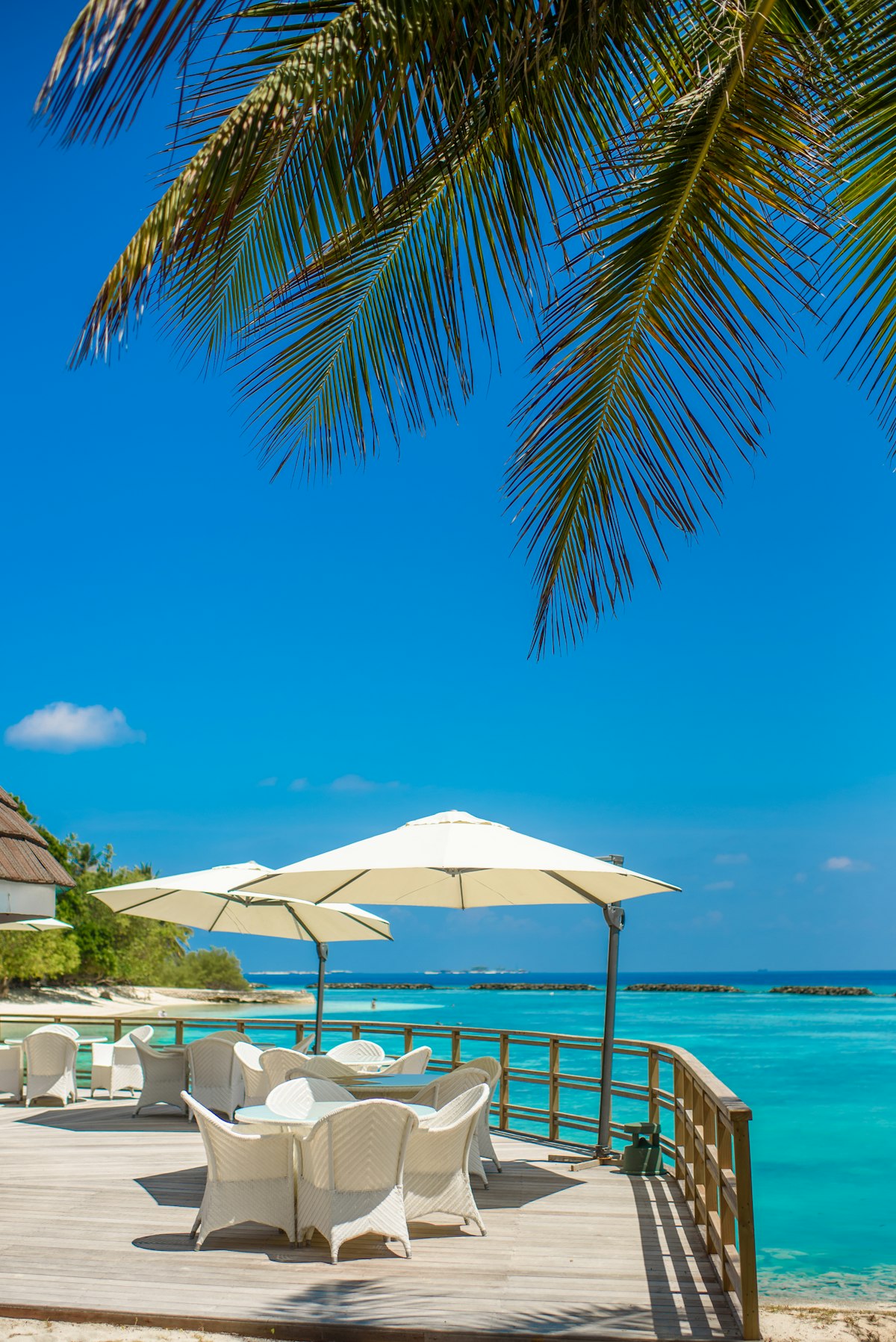
You've seen this beach in photographs. Massive granite boulders, smoothed and weathered into organic shapes, frame shallow turquoise pools. The sand is fine and pale. Coconut palms lean at improbable angles. It's the most photographed beach in the Seychelles, possibly in the world, and it earns the reputation.
Access is through L'Union Estate, a copra plantation that charges SCR 200 (about €13) for entry. The fee includes access to the estate's colonial-era plantation house, a giant tortoise pen, and a traditional copra oven. Walk through the estate and past a cluster of takamaka trees to reach the beach. Early morning — before 9 a.m. — is when you'll have stretches of it to yourself. By 11, the day-trippers from Praslin start arriving.
Swimming depends on the tide. At low tide, the water barely reaches your knees in most areas. At high tide, small channels between the boulders create natural swimming pools. The offshore reef keeps waves minimal, making this safe for kids.
Where to Eat Nearby
Lanbousir Restaurant, a five-minute bike ride from L'Union Estate, serves Creole fish curry with breadfruit for SCR 200. The fish changes daily based on what the boats bring in. Chez Jules does grilled octopus with a garlic-chili sauce that's worth the walk to the east side of La Digue.
Anse Lazio, Praslin
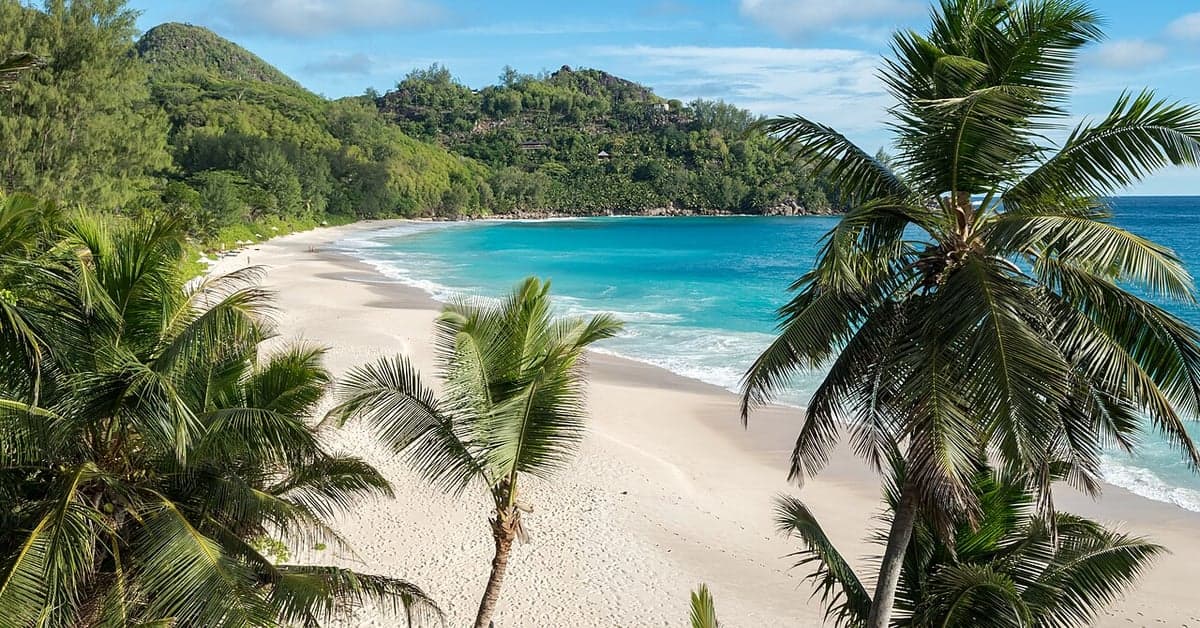
If Anse Source d'Argent is the Seychelles' most photographed beach, Anse Lazio is its best for swimming. A deep bay on Praslin's northwest coast, framed by granite headlands and tall takamaka trees that provide natural shade. The sand is white and powdery. The water is deep enough for real swimming within a few strokes of shore.
The access road is steep and unpaved for the last stretch. Park at the top and walk down — about 10 minutes. There are two restaurants at the beach: Bonbon Plume on the north end (grilled fish for SCR 350, cold SeyBrew beer for SCR 70) and a smaller unnamed place at the south end that does takeaway plates.
Snorkeling is decent at both ends of the bay, near the rocks. Look for butterflyfish, moorish idols, and the occasional octopus in the crevices. The center of the bay is sandy bottom with less to see.
A Warning About Currents
During the southeast monsoon (May-September), Anse Lazio can develop a strong undertow. A red flag system operates on the beach. Respect it. Two drownings occurred here in recent years when visitors ignored the flags.
Beau Vallon, Mahé
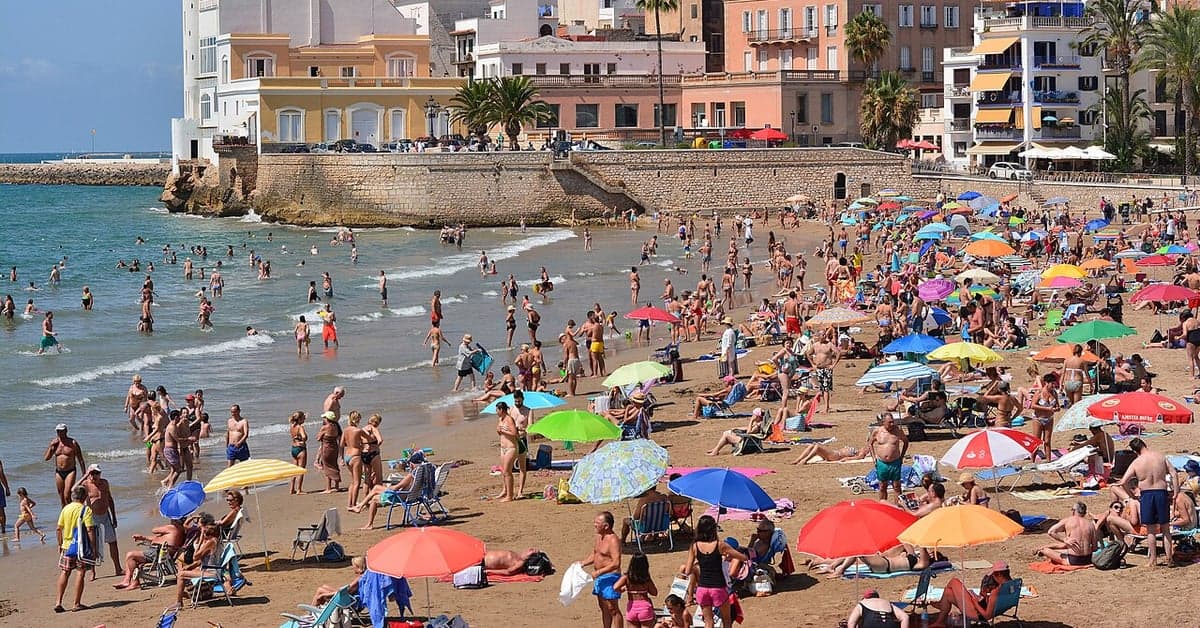
Beau Vallon is the Seychelles' most accessible and most populated beach. A long curve of sand on Mahé's northwest coast, backed by hotels, guesthouses, and the island's main tourist infrastructure. It's not the prettiest beach in the country, but it's where locals and tourists mix, where you can rent jet skis, and where the Wednesday evening bazar (night market) fills the beach road with stalls selling grilled fish, satay, and Creole samosas for SCR 10 each.
The Boat House restaurant sits right on the sand and does a solid tuna steak with Creole sauce for SCR 300. La Plage next door is pricier but has better cocktails. For budget food, walk across the road to any of the small takeaway shops — a plate of fish curry, rice, lentils, and salad runs SCR 80-100.
Diving from Beau Vallon
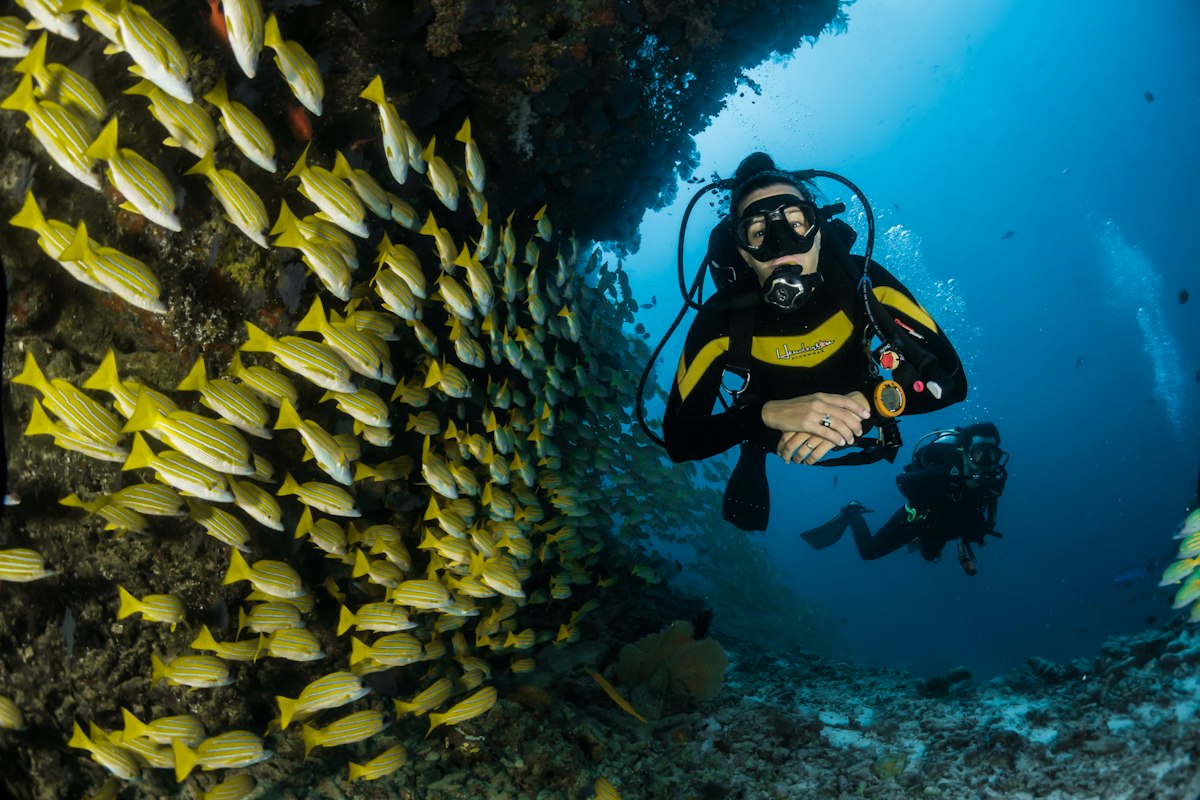
Several dive operators work from the beach. Blue Sea Divers charges €65 for a single dive, €110 for two tanks. The sites within a 20-minute boat ride include granite boulder formations, a small wreck, and drift dives where you might see eagle rays and whale sharks between October and January.
Anse Georgette, Praslin
Anse Georgette is the beach that luxury resorts don't want you to know is public. It sits on the grounds of the Constance Lemuria hotel, and while the resort would prefer you book a tee time at their golf course instead, Seychellois law guarantees public beach access. You can either call ahead to arrange walking access through the hotel grounds, or take the coastal trail from Anse Lazio — a rugged 45-minute hike over granite boulders that requires some scrambling.
The reward is a small, crescent-shaped bay with water that shifts between emerald and sapphire depending on the light. The beach holds maybe 30 people comfortably. On most days, you'll find fewer than 10. No vendors, no restaurants, no facilities. Bring water and sunscreen.
Grand Anse, La Digue
Grand Anse is La Digue's wild side — a long beach facing the open Indian Ocean with actual surf and no protective reef. The waves here can be serious, especially during the southeast monsoon. Swimming is dangerous during rough conditions, and locals will tell you so directly.
But as a beach to walk, photograph, and sit on, it's magnificent. The sand is wide and cream-colored, backed by coconut palms and a few beach shacks. A small restaurant at the access point sells fried fish and rice for SCR 150. From Grand Anse, you can walk south along the coast to Petite Anse and Anse Cocos — two increasingly secluded beaches that require progressively more scrambling over rocks to reach.
Aldabra Tortoises: The Unexpected Stars
The Seychelles is home to about 100,000 Aldabra giant tortoises — more than the Galápagos has of its own species. On La Digue, they roam the grounds of L'Union Estate. On Curieuse Island (a short boat trip from Praslin), they wander freely on the beach and through mangroves. They're slow, unbothered, and will eat a banana from your hand if you're patient. Curieuse day trips run about €40-50 from Praslin, including a barbecue lunch on the island.
Getting Between Islands
The inter-island ferry system is the backbone of Seychelles travel. Cat Cocos runs fast catamarans between Mahé and Praslin (one hour, SCR 1,100 round trip for tourists). From Praslin, a smaller ferry runs to La Digue (15 minutes, SCR 200 one way). Book Cat Cocos tickets online in advance — they sell out during peak season (December-January and July-August).
Air Seychelles operates small prop planes between Mahé and Praslin (15 minutes, from €90 one way). The flight is short but the aerial view of the islands is spectacular.
Getting Around the Islands
- Mahé: Rent a car (€35-50/day). Roads are narrow and hilly but manageable. SPTC buses cover the main routes for SCR 7 per ride.
- Praslin: Rent a car or scooter. Taxis are expensive.
- La Digue: Bicycles. The island is small and mostly flat. Rent a bike for SCR 150/day from any of the shops near the ferry jetty. No cars are needed or really wanted here — the island has more ox carts than taxis.
Practical Information
- Best time to visit: April-May and October-November (shoulder seasons between monsoons). Calmer seas, lower prices, fewer crowds.
- Currency: Seychellois Rupee (SCR). About SCR 15 to €1. Many places accept euros directly.
- Visas: No visa needed for most visitors, but you must apply online for a Seychelles travel authorization before you fly. The visitor's permit itself is issued on arrival.
- Budget tip: Self-catering guesthouses on Mahé and Praslin cost €60-100/night. Buy fish from the market in Victoria (SCR 50-80 per kg) and cook it yourself to cut food costs significantly.
- Flights: Emirates via Dubai, Ethiopian Airlines via Addis Ababa, and Condor from Frankfurt are the main routes. Direct flights from Abu Dhabi on Etihad started recently.
The Seychelles earns its reputation as one of the world's great beach destinations. The cost of getting here and staying here is real, but the beaches — those ancient granite boulders, that impossible water — exist nowhere else on earth. Budget travelers can manage it with guesthouses and self-catering. Everyone else can throw money at it and be rewarded handsomely.
Frequently Asked Questions
How much does a Seychelles vacation cost?
The Seychelles is expensive but more accessible than its reputation suggests. Luxury resorts cost $500-2,000+ per night, but guesthouses on Mahé and Praslin run $80-150. Self-catering apartments start at $60-90. A local meal costs $8-15, a restaurant dinner $25-50. Budget travelers staying in guesthouses and cooking some meals can manage $100-150 per day for two.
When is the best time to visit the Seychelles?
April, May, October, and November are the transition months with calm seas, warm water (28-29°C), and the best visibility for snorkeling. December through February brings the northwest monsoon with warmer temperatures but more rain. June through September has cooler, drier weather but rougher seas. There's no bad time — the Seychelles is outside the cyclone belt.
What is the most beautiful beach in the Seychelles?
Anse Source d'Argent on La Digue is the most photographed beach in the world — pink sand between sculpted granite boulders. Anse Lazio on Praslin is a classic crescent of white sand. Anse Intendance on Mahé has dramatic waves and untouched beauty. Grand Anse on La Digue is wild and uncrowded but has strong currents.
How do you get around the Seychelles?
Inter-island ferries connect Mahé, Praslin, and La Digue (Mahé to Praslin: 1 hour, €50-60; Praslin to La Digue: 15 minutes, €15). On Mahé, rent a car (€35-50/day). On Praslin, rent a car or bicycle. On La Digue, everyone gets around by bicycle (€10-15/day) — there are almost no cars. Air Seychelles flies to outer islands for €100-300 round trip.
Is the Seychelles safe?
The Seychelles is one of the safest destinations in Africa and the Indian Ocean. Violent crime against tourists is extremely rare. Petty theft can occur at beaches if you leave belongings unattended. The biggest safety concerns are strong ocean currents at some beaches (check conditions, especially June-September) and sunburn — the sun is intense near the equator.
How many days do you need in the Seychelles?
A minimum of 5-7 days lets you cover the three main islands: 2-3 days on Mahé, 2 days on Praslin (including Vallée de Mai), and 1-2 days on La Digue for cycling and Anse Source d'Argent. With 10+ days, you can add outer islands like Silhouette or Bird Island, or simply slow down and beach-hop without rushing.