
The Best Beaches in the Dominican Republic
Table of Contents
Two Coasts, Completely Different Beaches
The Dominican Republic gets pigeonholed as an all-inclusive destination, and that reputation isn't wrong -- Punta Cana's hotel zone stretches for miles. But the country has over 800 miles of coastline, and the beaches on the north coast (Samana, Puerto Plata) look and feel nothing like the east coast resort strips. One side gives you wild, undeveloped coves backed by coconut palms. The other gives you infinity pools and buffet wristbands. Both have their place.
Flights from the U.S. East Coast run 3-4 hours. A beer costs $2. A plate of rice, beans, and chicken from a roadside comedor runs $3-5. The DR is one of the most affordable Caribbean destinations, and once you get outside the resort gates, the food and culture are vastly more interesting than what's on the buffet line.
Bavaro Beach (Punta Cana)
Bavaro is the main event. It's the beach that built Punta Cana's tourism industry -- about 20 miles of unbroken white sand running along the eastern tip of the island. The water is warm, shallow, and that particular shade of Caribbean turquoise that looks Photoshopped in pictures but is somehow real in person.
The catch is that most of this beach is controlled by the mega-resorts that line it. If you're staying at a Barcelo, Hard Rock, or Iberostar property, you'll have a dedicated section with loungers and drink service. If you're not, public access points exist but they're not well-marked.
Beyond the Resorts
The best public section of Bavaro is near the Cortecito area, where independent restaurants and shops create a more local feel. Capitan Cook restaurant, right on the sand, does a solid grilled lobster for about $25. Grab a beach chair from one of the independent operators for $5-10 and you've got essentially the same beach as the $400/night resort next door.
Playa Rincon (Samana Peninsula)
Playa Rincon regularly appears on lists of the best beaches in the world, and it delivers. It's a 2-mile stretch of sand where the jungle drops right down to the waterline. No hotels. No development. Just a handful of rustic fish shacks at the west end where they'll grill whatever came in on the boats that morning.
The water is clean and calm on most days, with a gentle slope that's good for swimming. The far eastern end is almost always empty -- you can walk for 20 minutes without seeing another person.
Getting There
Playa Rincon is accessible by boat from Las Galeras (about $15-20 per person round trip, 15 minutes) or by a rough road that requires a high-clearance vehicle. The boat is the better option. Arrange a pickup time with your captain and spend the day.
For lunch, the fish shacks charge around $10-15 for a plate of fried fish with tostones, rice, and a cold Presidente beer. Simple and perfect.
Bahia de las Aguilas
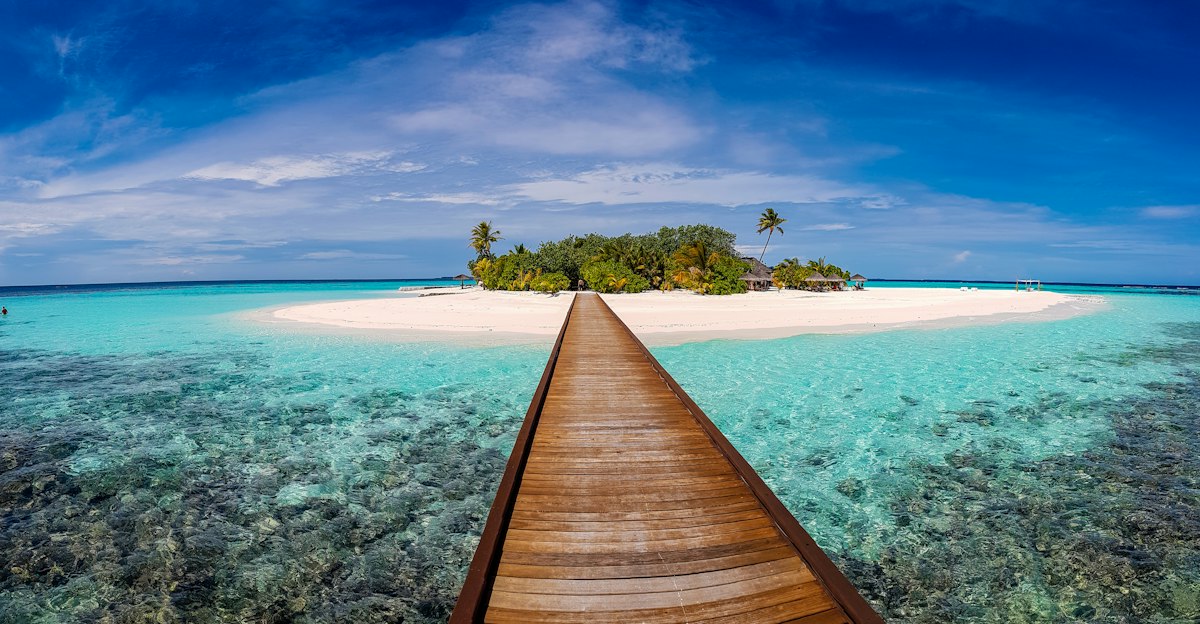
This is the most beautiful beach in the Dominican Republic, and it's not close. Bahia de las Aguilas sits in Jaragua National Park on the far southwestern coast, about as far from Punta Cana as you can get while staying on the same island. The sand is blindingly white. The water is glass-clear. The beach runs for five miles with absolutely nothing on it -- no buildings, no vendors, no roads.
Getting here takes effort. From the town of Pedernales, you hire a boat at Cabo Rojo (the Dominican Cabo Rojo, not the Puerto Rican one) for about $20-25 per person round trip. The ride takes 15 minutes along dramatic cliff coastline. There are no facilities at the beach itself -- bring everything you need, including shade.
Worth the Effort?
Absolutely. This is one of the last truly untouched Caribbean beaches. The government has so far resisted development pressure, though there's constant talk of a resort project. Go before that changes. The town of Pedernales has basic guesthouses starting around $30/night and a few restaurants. It's not luxury travel. It's adventure travel.
Playa Grande (Rio San Juan)
On the north coast, Playa Grande is a dramatic crescent of golden sand flanked by rocky headlands and backed by tall palms. The Amanera resort sits on the bluff above (rooms from $800/night), but the beach itself is public and has excellent food vendors.
The waves here are real. This is one of the better surf beaches in the DR, with consistent swells from November through March. Beginners should stick to the inside section near the river mouth on the west end. The main break can get powerful and the current pulls toward the rocks.
The Food Shacks
The cluster of comedores at the beach entrance is worth the trip on its own. Fried fish with coconut rice ($8-10), fresh passion fruit juice ($2), and empanadas de yuca ($1 each). The women running these kitchens have been here for decades and the food is legitimately some of the best casual eating on the north coast.
Sosua Beach
Sosua gets a mixed reputation, and some of it is deserved. The town has a well-known nightlife scene that skews seedy. But the beach itself is a genuinely beautiful half-moon bay with calm, clear water that's excellent for snorkeling. The reef is accessible right from shore -- swim out 30 yards and you're over healthy coral with sergeant majors, parrotfish, and the occasional ray.
The beach is lined with vendors selling everything from Dominican cigars to hair braiding. It's busy and commercial, but that's part of the energy. For a quieter experience, head to Playa Alicia, a smaller beach just around the headland to the west.
Where to Stay
Sosua has a huge range of accommodation, from $25/night guesthouses to beachfront boutique hotels in the $100-150 range. The Victorian House Hotel, perched above the beach, has some of the best views in town and rooms starting around $85.
Macao Beach
Macao is the wild beach near Punta Cana -- the one the tour operators bus people to for ATV excursions and surfing lessons. It has a more rugged feel than Bavaro, with stronger waves and coarser sand. The public section at the south end is free of development and has strong rip currents, so pay attention to conditions.
Several surf schools operate here, offering lessons for about $40-60 per session. The waves are forgiving enough for beginners on the inside but can get head-high on the outside. It's a good spot to try surfing for the first time if you're already staying in Punta Cana.
Las Terrenas (Samana)
Las Terrenas is less a single beach than a beach town with European DNA. French and Italian expats settled here decades ago, and their influence shows in the restaurants, bakeries, and general vibe. The main beach, Playa Cosita, is a palm-studded stretch right in town, but the better sand is at Playa Bonita, a few minutes west by scooter.
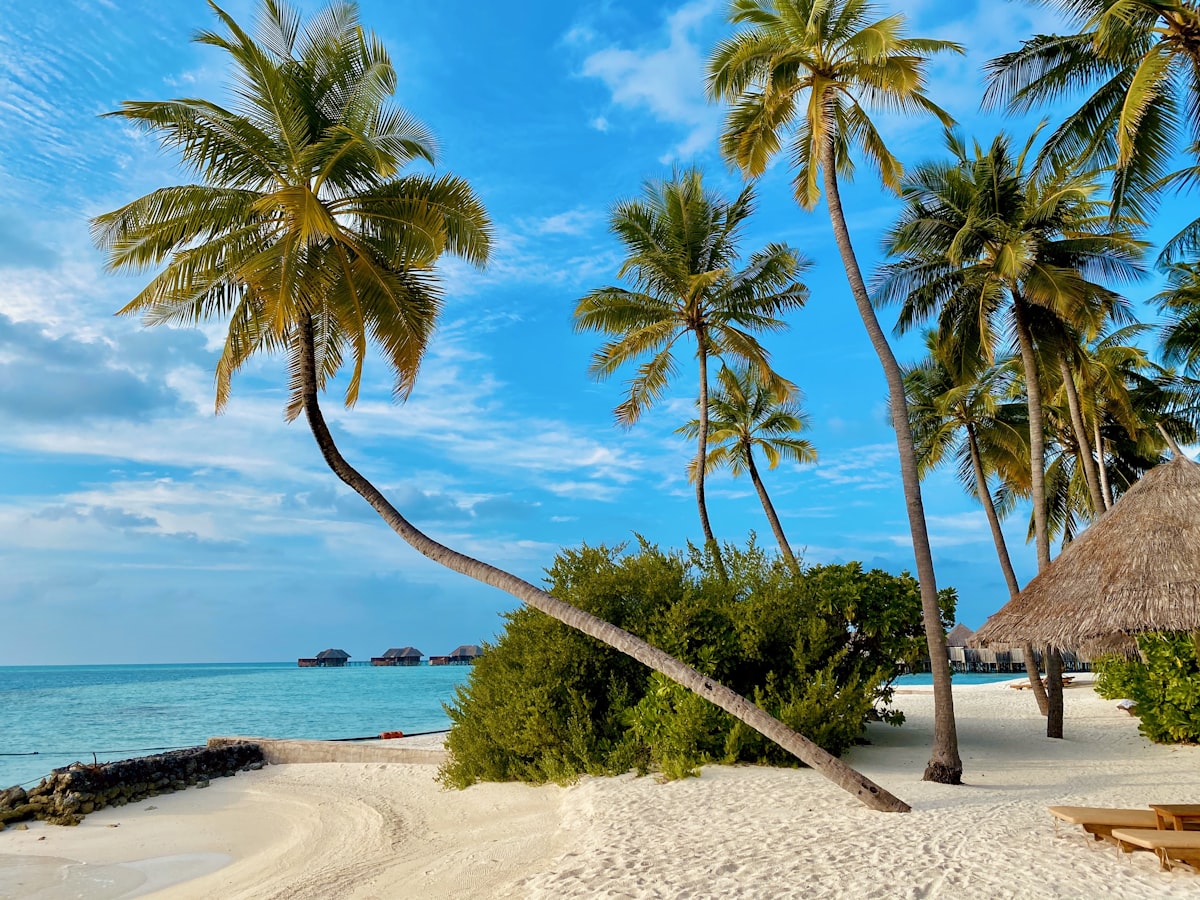
Playa Bonita lives up to its name. The coconut palms lean over the sand at dramatic angles, the water is calm and warm, and a handful of low-key beach bars serve cocktails and grilled seafood. La Terrasse restaurant does a wood-fired pizza that has no business being this good in the Caribbean ($10-14).
Getting Around Samana
Scooter rental is the move in Las Terrenas -- about $20-25/day from shops all over town. The roads are decent but watch for random speed bumps. From Las Terrenas, you can reach Playa Rincon, El Limon waterfall, and the whale-watching boats in Samana town within an hour.
Planning Your Trip
North Coast vs. East Coast
The east coast (Punta Cana, Bavaro) is the resort zone. Fly into PUJ airport, check into your all-inclusive, and you may never need to leave the property. It's easy, predictable, and the beaches are beautiful. The north coast (Samana, Puerto Plata, Cabarete) requires more independence -- rent a car, find your own restaurants, navigate on your own. The payoff is more authentic culture, fewer tourists, and some of the best beaches in the Caribbean.
Best Time to Visit
December through April is peak season with the driest weather. August and September are the rainiest months and sit in the hurricane window. Whale watching in Samana Bay runs January through March -- humpbacks come to breed in the warm water and the boat tours from Samana town are spectacular ($50-60 per person).
Budget Breakdown
- All-inclusive resorts in Punta Cana: $150-400/night per person
- Independent hotels in Samana or north coast: $40-120/night
- Meals at local comedores: $3-8
- Restaurant meals: $10-25
- Car rental: $30-50/day
- Presidente beer at a colmado: $1.50
The Dominican Republic is a two-speed destination. You can do the all-inclusive thing and have a perfectly good time. Or you can rent a car, head to Samana or the southwest coast, and find beaches that rival anything in the Caribbean at a fraction of the price. The second option is harder. It's also better.
Related reading: The Best Beaches in Antigua · The Best Beaches in Jamaica Beyond the Resorts · The Best Beaches in Puerto Rico
Frequently Asked Questions
What is the best beach in the Dominican Republic?
Playa Rincón on the Samaná Peninsula is often considered the most beautiful — a long stretch of golden sand backed by coconut palms with no major development. Bavaro Beach in Punta Cana is the most popular for resort-goers. Bahía de las Águilas near the Haitian border is the most pristine and remote, with 8 km of untouched white sand.
Is the Dominican Republic safe for tourists?
Tourist areas like Punta Cana, Samaná, and Puerto Plata are generally safe. Most visitors have trouble-free trips. Petty theft can occur at beaches and in cities — don't leave valuables unattended. Avoid driving at night on rural roads. The all-inclusive resort areas are very secure. Santo Domingo requires more street awareness, especially after dark.
When is the best time to visit Dominican Republic beaches?
December through April is the driest period with the best beach weather. Water temperature stays at 26-28°C year-round. Hurricane season runs June through November, with peak risk in September. The north coast (Puerto Plata) gets more rain than Punta Cana. February through April offers the best combination of weather and value.
How much does a Dominican Republic vacation cost?
The DR offers excellent value for all-inclusive packages. A decent all-inclusive resort in Punta Cana costs $120-200 per person per night, including meals, drinks, and activities. Independent travelers can manage $40-60 per day with local guesthouses ($20-40/night) and meals at comedores ($3-5). Taxis and excursions are extra.
Is Punta Cana just resorts?
The immediate Punta Cana hotel zone is almost entirely all-inclusive resorts along Bavaro and Punta Cana beaches. But beyond the resort strip, there's more to explore: Hoyo Azul cenote, Saona Island day trips, zip-line parks, and the fishing village of Bayahibe. Renting a car or booking excursions gets you past the resort bubble.
What is the most beautiful part of the Dominican Republic?
The Samaná Peninsula on the northeast coast is the most naturally beautiful region — lush mountains dropping to empty beaches, the El Limón waterfall, and humpback whale watching from January through March. Bahía de las Águilas in the far southwest is the most pristine beach. For culture, Santo Domingo's Zona Colonial is a UNESCO World Heritage Site.
Can you see whales in the Dominican Republic?
Yes, humpback whales migrate to Samaná Bay every year from mid-January through late March to breed and calve. Boat tours from the town of Samaná cost $50-70 per person and sightings are almost guaranteed during peak season. It's one of the best and most accessible whale watching experiences in the Caribbean.

