Table of Contents
Prices in this guide are approximate and change often. Check with the hotel, airline or operator before you book.
A Volcanic Island Where Mountains Meet the Sea
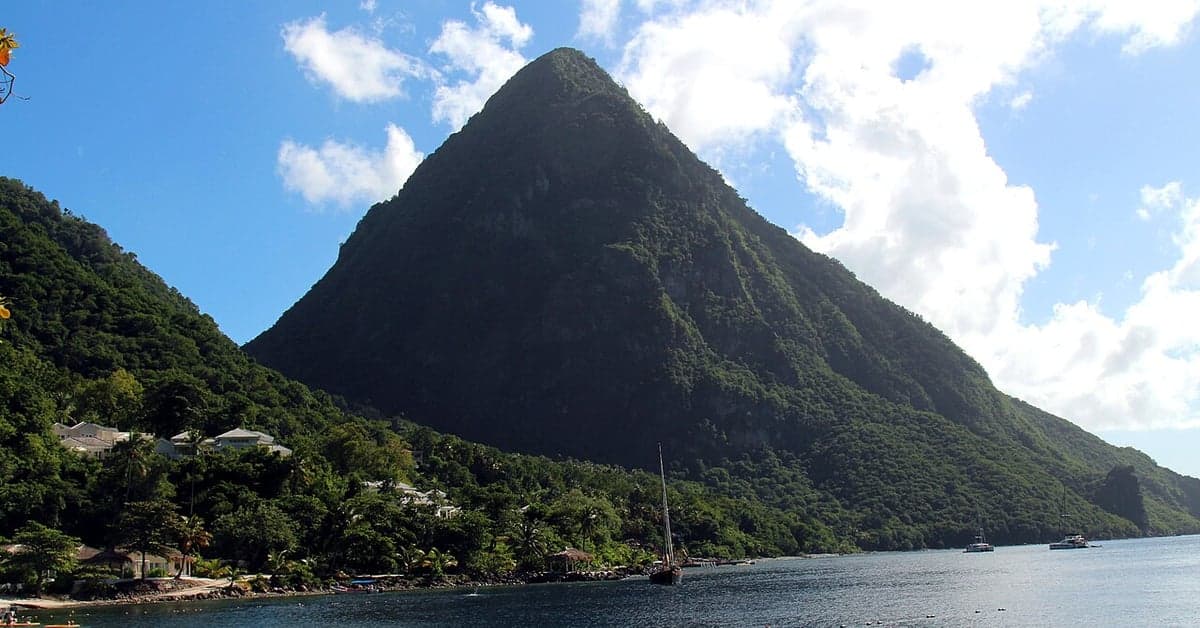
St. Lucia is not a flat island with miles of unbroken sand. It's a volcanic peak jutting out of the Caribbean, its coastline carved into coves, bays, and inlets between steep green ridges. The beaches are smaller here -- intimate, not expansive. What they lack in length, they make up for with scenery that no other Caribbean island can match. The Pitons, twin volcanic spires rising 2,400 feet straight from the sea, loom behind several of the best beaches on the island. It's the kind of backdrop that makes every phone photo look like a professional shoot.
St. Lucia draws a honeymoon and luxury crowd, and the prices reflect it. But the island has a scrappy, authentic side too -- roadside barbecue pits, rum shops with no name on the door, fishermen selling their catch off the boat in Soufriere. The trick is knowing where to look beyond the resort gates.
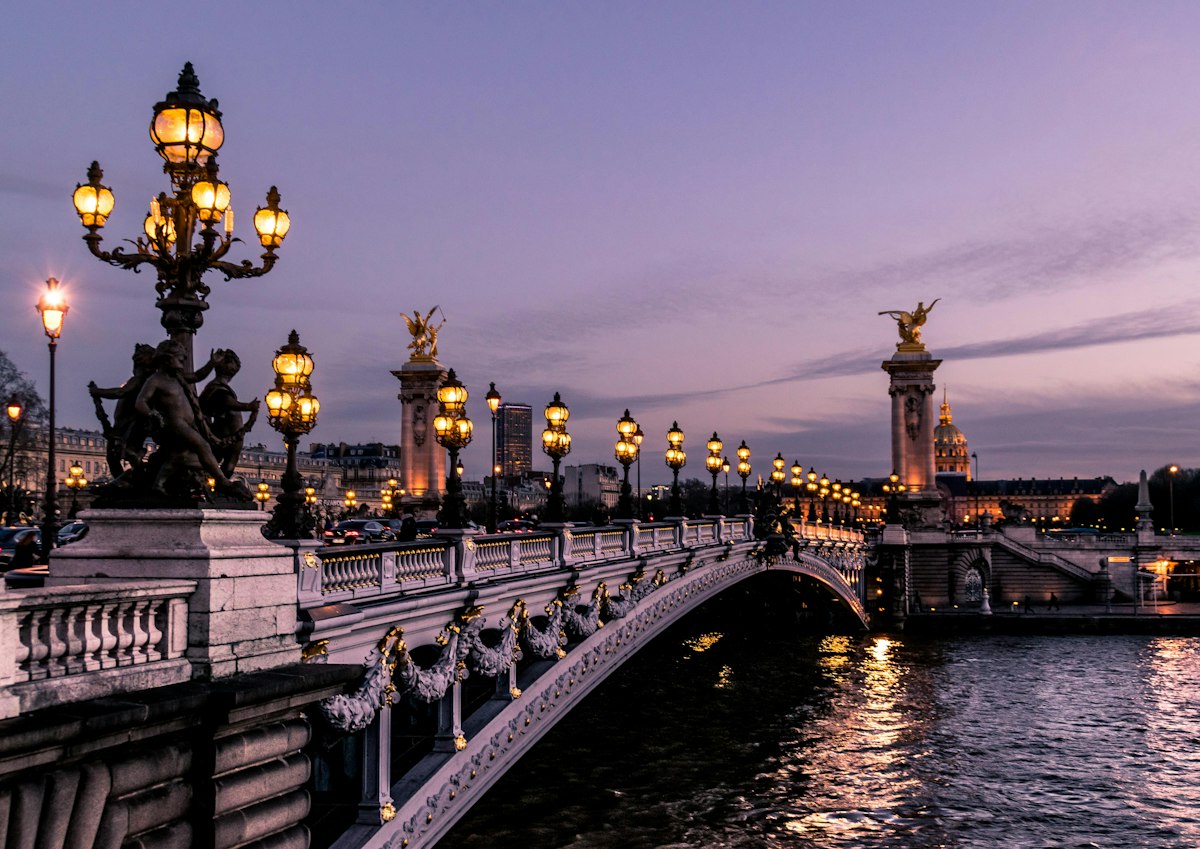
Sugar Beach
Sugar Beach (also called Anse des Pitons or Jalousie Beach) sits in the narrow valley between the two Pitons. The setting is absurd. Two massive volcanic spires frame a crescent of imported white sand with turquoise water in between. The Viceroy Sugar Beach resort controls most of the beach, but public access exists -- you can reach it by water taxi from Soufriere ($10-15 EC round trip) or by driving through the resort's entrance and telling security you're accessing the public beach.
The water is deep close to shore, which makes for excellent snorkeling. The reef along the base of Petit Piton is home to trumpetfish, spotted drums, and the occasional seahorse. Visibility regularly exceeds 50 feet.
The Resort Experience
If you're willing to spend, the Viceroy Sugar Beach is one of the finest resorts in the Caribbean. Rooms start around $800/night and go well past $2,000 for the villas with private plunge pools. Even if you're not staying there, the resort's Bayside Restaurant serves lunch to walk-ins -- a grilled catch of the day with plantains runs about $45 USD. Expensive for lunch. Cheap for the view.
Reduit Beach (Rodney Bay)
Reduit is the beach that actually functions like a normal Caribbean beach -- long, accessible, lined with bars and restaurants, with calm water and lounge chairs for rent. It runs along Rodney Bay on the northwest coast, which is also where most of the island's nightlife, shopping, and casual dining concentrate.
The sand is golden, the water is calm and shallow, and the beach bars compete for your attention. Spinnakers Beach Bar, right on the sand, does a solid jerk chicken plate for about $35 EC and pours heavy rum punches. The Bay Gardens Beach Resort rents loungers and umbrellas for about $15 USD/day.
Rodney Bay Marina
The marina at the south end of Rodney Bay is worth a walk. Restaurants line the boardwalk -- The Edge, run by a Swedish chef, does Asian-Caribbean fusion that sounds gimmicky but is genuinely good (mains $60-90 EC). On Friday nights, the Gros Islet Jump Up street party happens just north of here -- a blocks-long open-air party with grilled chicken, Piton beers, and soca music blasting from every storefront. $2 beers, $5 plates of food, and a crowd that's about 80% local.

Anse Chastanet
Anse Chastanet is the snorkeling beach. The reef starts 15 feet from shore and drops away steeply, creating a wall of coral, sponges, and sea fans that attracts everything from juvenile barracuda to octopus. The Anse Chastanet resort runs the beach, but the snorkeling area is open to anyone who walks or boats in.
The sand here is volcanic -- dark grey, almost black in places. It's a striking contrast to the bright water and green hillside above. The resort's Scuba St. Lucia dive operation offers guided snorkel tours ($40 USD) and PADI courses, and the reef off Anse Chastanet is one of the island's best-known shore dives.
Jade Mountain
Above Anse Chastanet sits Jade Mountain, one of the most architecturally striking hotels in the world. Each room is an open-walled "sanctuary" with an infinity pool and a direct view of the Pitons. Rooms start at $1,200/night. Even if that's out of budget, the Jade Mountain Club bar serves cocktails to non-guests -- a rum old fashioned with the Pitons in front of you is a $18 experience worth having.
Anse des Pitons
Not to be confused with Sugar Beach (which locals also call Anse des Pitons -- naming is inconsistent here), this refers to the broader bay between the Pitons that includes several access points beyond the Viceroy property. The snorkeling along the volcanic walls is some of the best in the Eastern Caribbean. The Soufriere Marine Management Area protects these waters, and the health of the reef shows it.
Dive operators in Soufriere run snorkel trips to the bay for about $40-50 USD per person, usually combining it with a stop at the coral gardens near Anse Chastanet. If you've never snorkeled a volcanic reef, this is the place to start -- the topography underwater is as dramatic as what you see above the surface.
Marigot Bay
Marigot Bay is more harbor than beach, but it's too beautiful to leave off the list. The bay cuts deep into the hillside, creating a landlocked harbor fringed with palm trees that James Michener once called "the most beautiful bay in the Caribbean." A small beach sits across the inner harbor, accessible by a free ferry that runs constantly.
The Capella Marigot Bay resort dominates the waterfront (rooms from $500/night), but several independent restaurants operate along the docks. Doolittle's restaurant, named for the Rex Harrison movie filmed here in 1967, does a good grilled fish lunch for about $40 EC and has tables right on the water.
Yacht Culture
Marigot Bay is a major yacht anchorage on the Caribbean circuit. During sailing season (November-April), the bay fills with million-dollar boats. The bar scene revolves around this crowd, and Friday happy hours at the marina bars have a distinct "nautical cocktail party" energy that's fun to orbit even if you arrived by rental car.
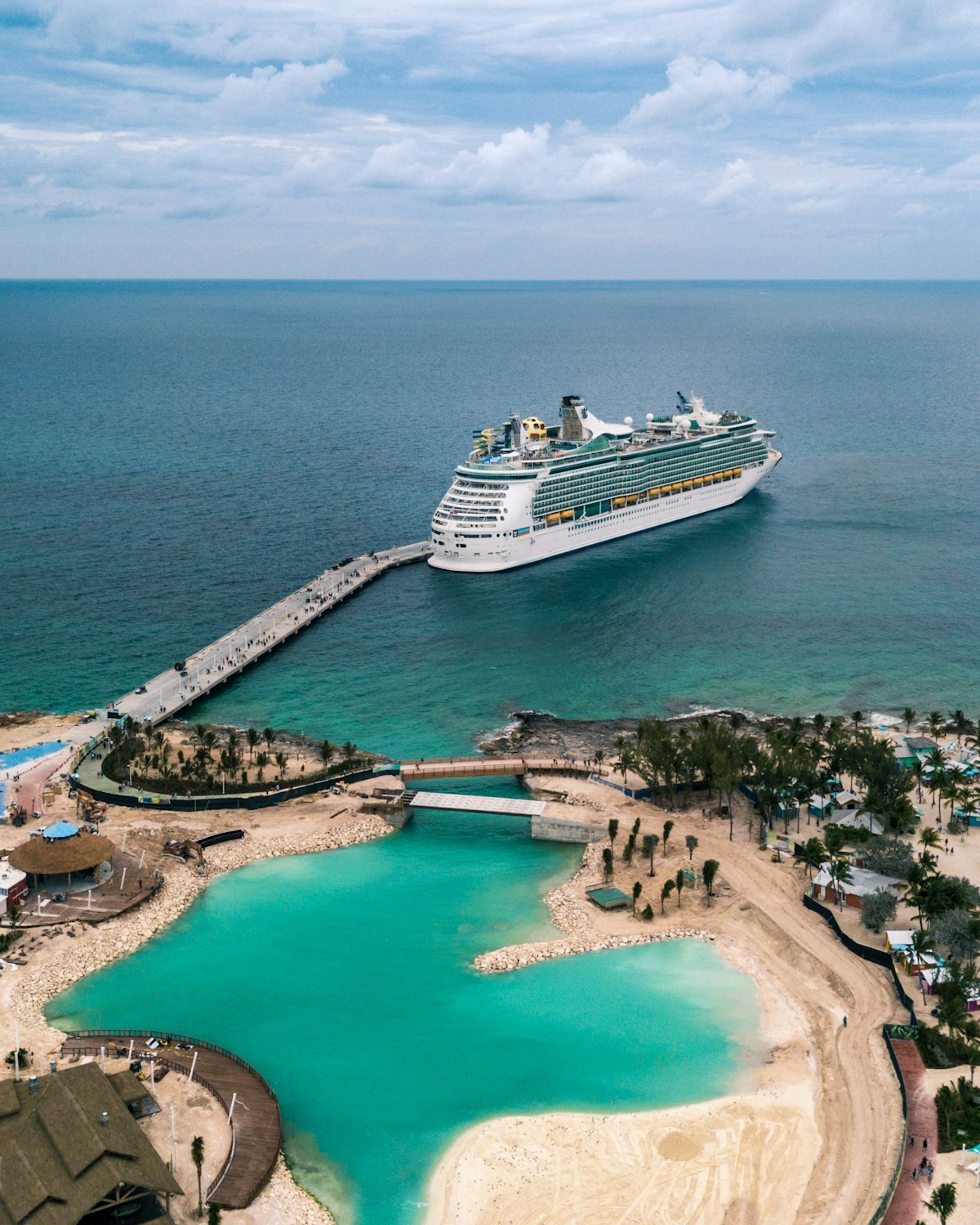
Pigeon Island Beach
Pigeon Island National Landmark is a former island (now connected to the mainland by a causeway) on the northwest tip of St. Lucia. The entrance fee is $10 EC (about $4 USD) and gives you access to two small beaches, hiking trails to a hilltop fort with panoramic views, and a museum covering the island's military history.
The beaches are small but clean and uncrowded on weekdays. The water is calm and good for swimming. The real draw is combining beach time with the hike to Fort Rodney at the summit -- a 20-minute walk that rewards you with 360-degree views of the northern coast and, on clear days, Martinique to the north.
St. Lucia Jazz Festival
Pigeon Island hosts the annual St. Lucia Jazz & Arts Festival (usually in May). International acts perform against the backdrop of the fort ruins and the sea. Past headliners have included Erykah Badu, John Legend, and Wyclef Jean. It's one of the premier music festivals in the Caribbean, and tickets sell out months in advance.
Planning a St. Lucia Beach Trip
North vs. South
Most hotels and services cluster in the north (Rodney Bay, Gros Islet). The Pitons and the most dramatic scenery are in the south (Soufriere). The drive between them takes about 90 minutes on a winding mountain road that is not for nervous drivers. Many visitors base in the north for convenience and do day trips south. Others split their stay -- a few nights at a Soufriere resort, a few in Rodney Bay.
Getting Around
Renting a car costs $50-70 USD/day. Drive on the left. The roads are narrow, hilly, and the locals drive aggressively. Taxis are available but expensive -- a one-way trip from the north to Soufriere runs about $80-100 USD. Shared minibuses operate between major towns for $5-10 EC but run on no fixed schedule.
Budget Considerations
- St. Lucia is expensive by Caribbean standards
- Resort meals: $40-80 USD per person
- Local restaurant meals: $10-20 USD
- Street food at the Gros Islet Friday Night Jump Up: $3-8 USD
- Piton beer at a rum shop: $3 EC ($1.10 USD)
- Snorkel tour: $40-60 USD
- Budget accommodations in Soufriere: $60-100 USD/night
The Soufriere Drive-In Volcano
While you're in the south, the Sulphur Springs "drive-in volcano" ($25 EC entry) is a quick detour. You can't actually drive into the crater anymore, but the boardwalk takes you close to bubbling mud pools and sulfurous vents. The attached mud baths ($35 EC for a soak) are supposed to be therapeutic. They definitely make you smell like eggs for the rest of the day.
St. Lucia's beaches are not the biggest or the most accessible in the Caribbean. They're the most dramatic. The combination of volcanic geology, protected reefs, and the absurd visual anchor of the Pitons creates a beach experience that's less about lounging and more about being present in a landscape that's genuinely extraordinary. Bring your snorkel gear. Leave the beach umbrella -- most of these coves have shade built in.
Frequently Asked Questions
What is the best beach in St. Lucia?
Sugar Beach (Anse des Pitons) is the most dramatic — white sand between the two Pitons. Reduit Beach in Rodney Bay is the longest and most popular for swimming and water sports. Anse Chastanet has excellent snorkeling right from shore. For seclusion, Anse Mamin is reached by a jungle trail and is often empty.
When is the best time to visit St. Lucia?
January through April offers the driest weather and most comfortable temperatures (26-30°C). This is peak season with higher prices. June and November are shoulder months with lower rates and fewer crowds but occasional rain. Hurricane season runs June through November, with September and October as the riskiest months.
How much does a St. Lucia vacation cost?
St. Lucia is one of the pricier Caribbean islands. All-inclusive resorts like Sandals start at $350-500 per night per couple. A mid-range hotel or Airbnb costs $100-200 per night. Restaurant meals run $15-30 per person. A taxi from the airport to Soufriere costs $80-100. Budget travelers should rent a car ($50-70/day) and stay in guesthouses.
Is St. Lucia good for snorkeling?
St. Lucia has solid snorkeling, especially on the west coast. Anse Chastanet has a reef starting in chest-deep water with parrotfish, trumpetfish, and occasionally seahorses. The area between the Pitons at Sugar Beach has coral and tropical fish. Snorkeling gear rental costs about $10-15, and boat snorkel tours run $40-60 per person.
Do you need a car in St. Lucia?
A car gives the most freedom but driving is challenging — roads are narrow, steep, and on the left side. Taxis are expensive ($80-100 for airport to Soufriere). Most resorts offer shuttle services. A rental car costs $50-70 per day and requires a temporary local driving permit, which the rental desk can sell you. If staying at an all-inclusive, you may not need one.
Can you visit the Pitons without hiking?
Yes, you can view the Pitons from beaches like Sugar Beach, from boats, or from viewpoints along the road between Soufriere and Choiseul. Gros Piton can be hiked with a mandatory guide ($50) — it takes 3-4 hours round trip. Petit Piton is a technical climb not recommended for casual hikers. Most visitors simply enjoy the view.
Which airport should I fly into in St. Lucia?
Hewanorra International Airport (UVF) in the south handles most international flights but is a 90-minute drive from Rodney Bay in the north. George F.L. Charles Airport (SLU) near Castries is closer to northern hotels but only handles regional and small aircraft. Some resorts offer helicopter transfers from UVF for $175-200 per person.