
The Best Beaches in Malaysia
Table of Contents
Two Coasts, Two Monsoons, One Cheap Ringgit
Malaysia is split down the middle by a mountain range, and this geographic fact determines everything about beach travel here. The west coast faces the Strait of Malacca and the Andaman Sea. The east coast faces the South China Sea. Each coast has its own monsoon season: the northeast monsoon drenches the east coast from November through February, while the west coast stays relatively dry year-round. This means Malaysia always has a beach open for business, but you need to pick the right side.
The ringgit makes it all affordable. At roughly 4.5 MYR to $1 USD, Malaysia delivers Southeast Asian beach quality at prices that undercut Thailand and Indonesia. A plate of nasi lemak — coconut rice with sambal, anchovies, peanuts, cucumber, and a boiled egg — costs 3-5 MYR ($0.70-1.10) at a hawker stall. A beachfront room on the Perhentian Islands goes for 80-150 MYR ($18-33). Even Langkawi, which is duty-free and sees the most international tourists, feels cheap by global standards.
Langkawi
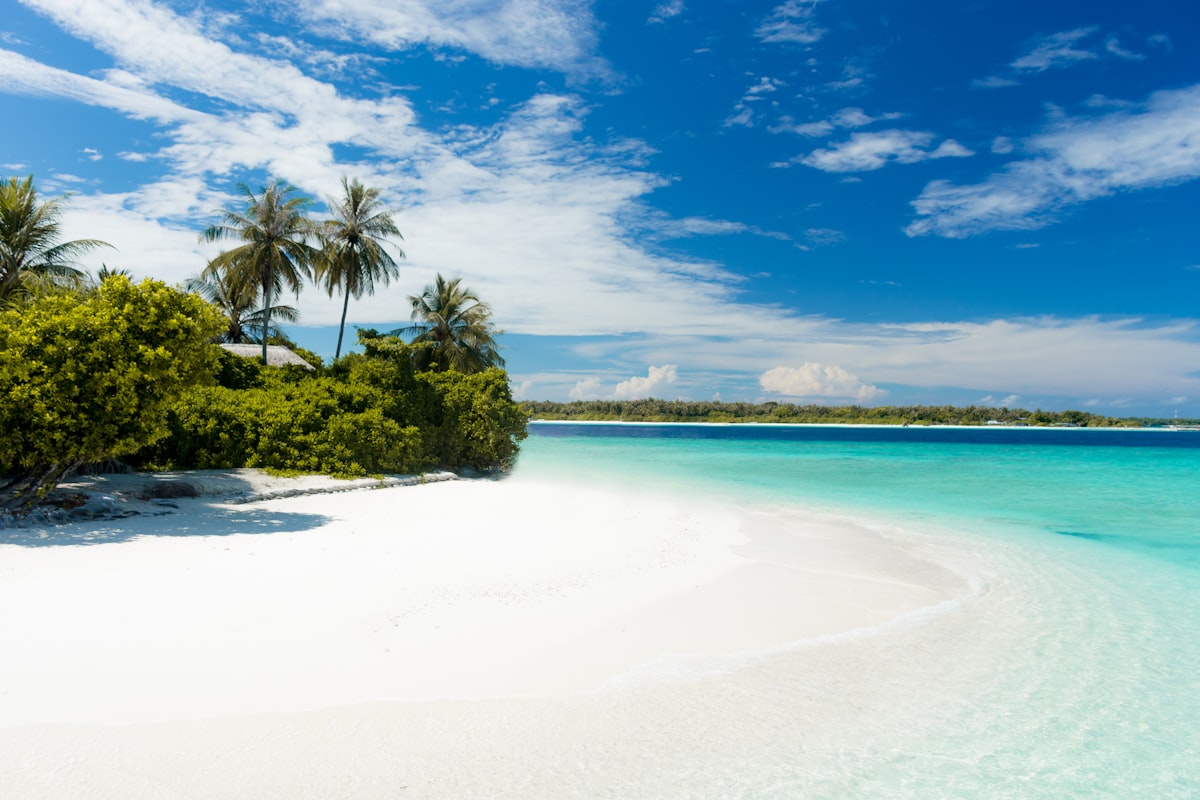
Langkawi is an archipelago of 99 islands off Malaysia's northwest coast, near the Thai border. The main island is the only one with significant development, and even it feels relaxed compared to Phuket or Bali. Duty-free status means cheap alcohol — a can of Tiger beer costs 5-6 MYR ($1.10-1.30) at a convenience store, compared to 12-15 MYR on the mainland.
Pantai Cenang
Cenang is Langkawi's main beach — a two-kilometer strip of sand on the southwest coast, backed by a strip of restaurants, bars, budget hotels, and souvenir shops. The sand is fine and golden, the water is warm and shallow, and the sunsets are consistently good. It's the social beach. Night markets set up near the main road on specific evenings, with satay sticks for 1 MYR each and whole grilled stingray with sambal for 15 MYR.
Orkid Ria Seafood Restaurant, right on the beach, does a clay pot curry with tiger prawns that's worth the 35 MYR asking price. The portions are large enough for two. For breakfast, Wan Nasi Lemak at the north end of the strip does the island's best version of the national dish for 4 MYR.
Datai Bay
Datai Bay is on Langkawi's northwest coast, reached by a winding road through ancient rainforest. The beach is a curved cove of white sand backed by primary jungle — hornbills fly overhead, macaques watch from the tree line, and monitor lizards patrol the margins. The Datai Langkawi resort (rooms from 2,000 MYR/$440 per night) controls most of the beach, but public access exists via a path at the east end.
The Datai is one of Southeast Asia's great resort properties. Even if you're not staying there, it's worth visiting the beach to see what old-growth rainforest meeting white sand actually looks like. The contrast with Cenang's commercial strip is total.
Langkawi Mangrove Tour
The Kilim Karst Geoforest Park mangrove tour is Langkawi's best non-beach activity. A boat takes you through limestone channels lined with mangroves, past caves, eagle-feeding spots, and a floating fish farm restaurant where you pick your fish from a net pen and they grill it on the spot (whole sea bass: 40-60 MYR). Tours cost 35-50 MYR per person from local operators at the Kilim Jetty.
Perhentian Islands
The Perhentians — Perhentian Besar (Big) and Perhentian Kecil (Small) — sit off the northeast coast of Peninsular Malaysia, reachable by speedboat from Kuala Besut (30 minutes, 70 MYR round trip). They're the Malaysian backpacker islands — simple accommodation, no roads, no cars, and coral reefs that start a few meters from shore.
Perhentian Kecil
Kecil is the budget island. Long Beach on the east side is the main hub — a strip of sand with guesthouses, dive shops, and restaurants running right to the waterline. Dorms start at 40 MYR ($9). Basic fan rooms go for 80-120 MYR. The Reef Bar does grilled fish with rice and vegetables for 20 MYR and has a nightly bonfire on the beach.
Coral Bay on the west side is smaller and quieter, with better snorkeling directly off the beach. The house reef here has soft corals, clownfish in anemones, and the occasional blacktip reef shark cruising the drop-off. A snorkel set rents for 20 MYR per day.
Perhentian Besar
Besar is the slightly more upmarket island, though "upmarket" here means rooms with air conditioning and hot water for 200-400 MYR. Tuna Bay Island Resort has a good house reef and charges 250 MYR for a seaview chalet. Abdul's Chalets, on the south end, is the mid-range sweet spot — clean rooms, a good restaurant, and direct beach access for 180 MYR.
Diving
The Perhentians offer some of Malaysia's most accessible diving. Discover Scuba courses (one-day introduction) cost 180-220 MYR. Open Water certification runs 1,000-1,200 MYR over three days. Sites include Sugar Wreck (a sunken sugar freighter at 18 meters), Temple of the Sea (a pinnacle with barracuda schools), and Shark Point (blacktip and whitetip reef sharks). Quiver Dive Team and Turtle Bay Divers are reliable operators.
Tioman Island
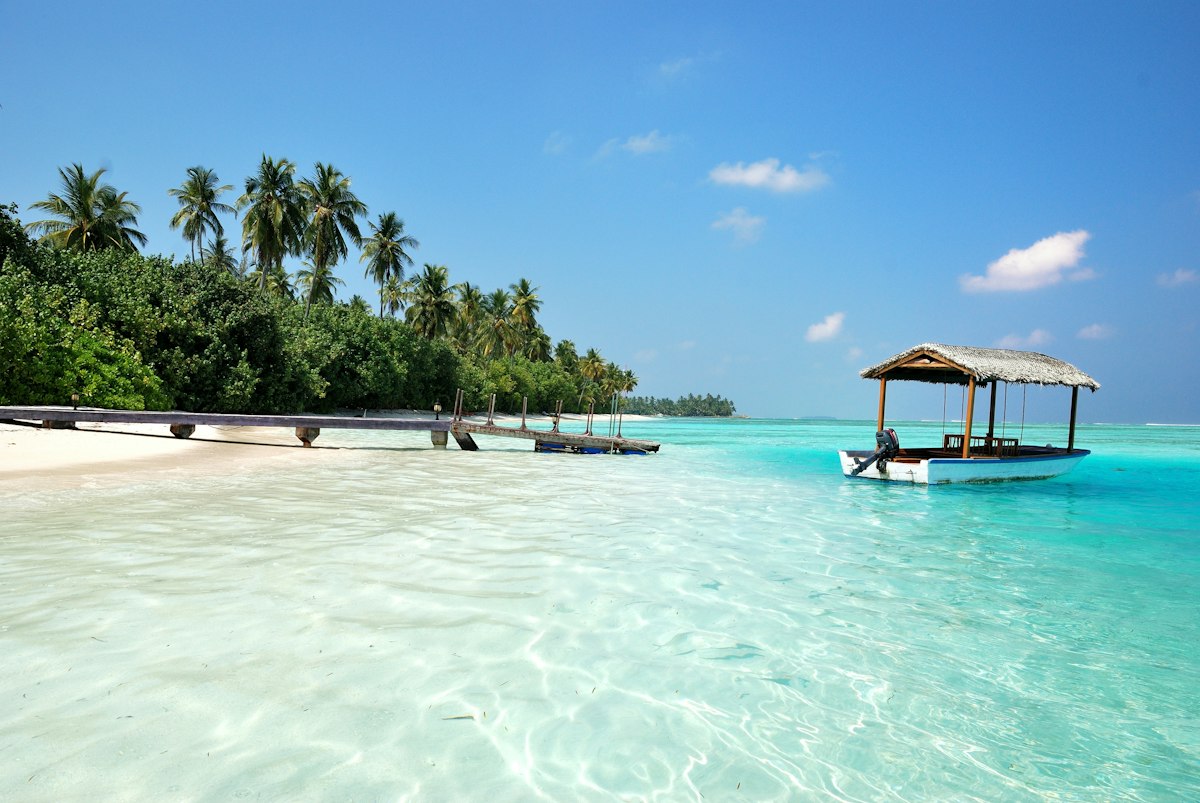
Tioman is larger than the Perhentians and more varied. The island has several distinct beach settlements — Salang in the north (backpackers, basic), Air Batang (ABC — mid-range, walkable village feel), Tekek (the main town, with a jetty and a duty-free shop), and Juara on the east coast (isolated, surf-possible, requires a jungle taxi ride over the mountain for 40 MYR). Each has its own character.
ABC is the best base for most travelers. Nazri's Place has been operating since the 1970s and charges 80-150 MYR for a basic chalet. The snorkeling off the jetty at ABC is solid — coral gardens, parrotfish, and the occasional sea turtle. The walk from ABC to Salang (two hours through jungle along the coast) is one of the best easy hikes in Malaysia.
Juara Beach
Juara, on Tioman's east coast, is the most remote major beach. A long stretch of sand facing the open South China Sea, with a turtle conservation project where volunteers help protect green turtle nests from May through September. Bushman Restaurant, a wooden shack at the north end, does a surprisingly excellent pizza from a wood-fired oven for 25 MYR, along with Malay and Western dishes.
Redang Island
Redang is the Perhentians' more polished neighbor — similar water clarity and reef quality, but with larger resorts and a more organized feel. Laguna Redang Island Resort, the main property, offers all-inclusive packages (accommodation, meals, snorkeling trips, boat transfers) starting at 600 MYR per person for two nights. The snorkeling at the marine park center is excellent, with large schools of fusiliers, jackfish, and regular turtle sightings.
Redang attracts more Malaysian domestic tourists and Chinese tour groups than the Perhentians. The beaches are well-maintained and the water quality is top-tier. What you lose compared to the Perhentians is the backpacker independence — Redang functions on a resort model where packages are the norm.
Sipadan
Sipadan Island, off the coast of Sabah in Malaysian Borneo, is one of the top 10 dive sites in the world by any ranking. A oceanic island rising 600 meters from the seabed, ringed by a wall of coral that drops vertically into the deep. Barracuda and jackfish form tornadoes of silver at the wall's edge. Green and hawksbill turtles are so common they barely register. Whitetip reef sharks rest in the shallows. Hammerheads patrol the deeper water.
Diving at Sipadan requires a permit — only 176 divers are allowed per day, and permits are allocated to the dive resorts on nearby Mabul and Kapalai islands. Book well in advance, especially for peak season (April-June). A three-day dive package at Scuba Junkie (based on Mabul) runs about 2,200-2,800 MYR ($490-620) including accommodation, meals, and six dives with one guaranteed Sipadan permit day.
Penang
Penang is famous for food, not beaches, and honestly the beaches are the weaker part of the island's appeal. Batu Ferringhi, the main tourist beach on the north coast, has decent sand but the water clarity doesn't match the east coast islands. What Penang offers is the combination — you can eat your way through Georgetown's hawker stalls (char kway teow at Lorong Selamat: 8 MYR; assam laksa at Air Itam: 6 MYR; nasi kandar at Line Clear: 10 MYR) and then drive 30 minutes to a beach for the afternoon.
For better beaches near Penang, take a ferry to Langkawi (3 hours, 60 MYR) or fly to the Perhentians' nearest airport at Kota Bharu.
Practical Information
- West coast (Langkawi, Penang) season: Year-round, best December-April. Minimal monsoon impact.
- East coast (Perhentians, Redang, Tioman) season: March-October. Islands close or significantly reduce operations November-February due to the northeast monsoon.
- Sipadan/Borneo season: Year-round, best April-June for calm seas and visibility.
- Currency: Malaysian Ringgit (MYR). About 4.5 MYR to $1 USD.
- Flights: AirAsia, Malaysia Airlines, and Firefly connect Kuala Lumpur to Langkawi, Kota Bharu (for Perhentians), Kuala Terengganu (for Redang), and Tawau (for Sipadan).
- Budget: $25-40/day on the east coast islands (basic room, meals, snorkeling). Langkawi is similar. Sipadan diving packages push the budget higher.
- Food: Malaysian food is the country's greatest asset. Malay, Chinese, Indian, and Nyonya cuisines overlap and compete, and a full meal at a hawker center rarely exceeds 10 MYR. Eat where the locals eat — the queues don't lie.
Malaysia doesn't market itself as a beach destination the way Thailand does, and that's partly why it works. The islands are less developed, the reefs are healthier in many areas, and the food — that extraordinary, multicultural, hawker-stall food — puts every other beach destination in the region to shame. The ringgit is the quiet advantage. Use it while it lasts.
Related reading: The Best Beaches in Raja Ampat and Eastern Indonesia · Budget Diving Destinations · Palawan
Frequently Asked Questions
What is the best month to visit Malaysian beaches?
It depends on which coast. The east coast (Perhentian Islands, Redang, Tioman) is best March through October, with resorts closing November through February due to monsoon. The west coast (Langkawi, Penang) is accessible year-round, with the driest weather December through March. Sabah and Sarawak (Borneo) are best March through October.
Which Malaysian island has the best beaches?
The Perhentian Islands have the clearest water and best snorkeling, with white sand beaches rivaling Thailand's. Langkawi has the best infrastructure with duty-free shopping and resorts. Redang is excellent for diving. Tioman is more rugged and adventurous. For Borneo, Sipadan is world-class for diving (permit required, 120/day limit).
How much does a Malaysian beach vacation cost?
Malaysia is one of Southeast Asia's best-value beach destinations. Budget guesthouses on the Perhentians cost $15-30/night, mid-range Langkawi hotels $50-120/night. Street food meals cost $1-3, restaurant meals $5-10. A 3-dive package on the Perhentians costs $70-90. Domestic flights from KL to Langkawi run $30-60 one way.
Is Langkawi worth visiting?
Yes, if you value convenience and variety. Langkawi has duty-free alcohol and shopping, a cable car with ocean views, mangrove boat tours, and decent beaches (Cenang, Datai Bay). The beaches aren't Malaysia's most pristine -- Perhentian and Redang have clearer water -- but Langkawi's mix of activities and affordability makes it popular.
How do you get to the Perhentian Islands?
Fly from Kuala Lumpur to Kota Bharu (1 hour, $30-60) or take an overnight bus ($10-15). From Kota Bharu, take a taxi to Kuala Besut jetty (45 minutes, $8-10). Speedboats to the Perhentians depart regularly and take 30-45 minutes ($15-20 round trip). The last boat usually leaves at 4pm.
Can you drink alcohol on Malaysian beaches?
Malaysia is a Muslim-majority country but alcohol is legal for non-Muslims and widely available in tourist areas. Langkawi is duty-free, making beer and spirits significantly cheaper ($1-2 for a beer vs $4-5 elsewhere). On more conservative east coast islands, alcohol is available at tourist resorts but not at local shops.


