
The Best Beaches in Curaçao
Table of Contents
The Caribbean's Most Underrated Beach Island
Curacao gets overshadowed by its ABC island neighbors -- Aruba for the resorts, Bonaire for the diving. That's a mistake. Curacao has better beaches than Aruba and better shore snorkeling than most of Bonaire, plus something neither of those islands offers: a genuine capital city with world-class architecture, nightlife, and restaurants.
Willemstad, the capital, is a UNESCO World Heritage site. The waterfront rows of Dutch colonial buildings -- painted in bright yellow, turquoise, and coral -- look like Amsterdam got a Caribbean paintjob. The Queen Emma pontoon bridge swings open for ships. The floating market sells fresh fish from Venezuelan boats. It's one of the most visually interesting cities in the Caribbean, and it sits 15 minutes from beaches with 80-foot visibility.
The island is arid, windy, and shaped like a crescent moon. Nearly all the good beaches are on the protected south coast, tucked into small coves between limestone cliffs. Many charge entrance fees ($3-6 USD), which keeps them cleaner and less crowded than free-access beaches on other islands.

Playa Kenepa (Knip Beach)
Playa Kenepa is the beach that sells Curacao. It's divided into two coves -- Grote Knip (big) and Kleine Knip (small) -- separated by a rocky headland. Grote Knip is the main attraction: a wide crescent of white sand at the base of a steep cliff, with water so blue it looks digitally enhanced. The descent from the parking lot takes you down a set of concrete stairs with a view that stops you mid-step.
The water here is deep enough for jumping off the rocks on the left side (a popular local activity, proceed at your own risk) and calm enough for snorkeling along the cliff face. The reef is healthy and accessible -- parrotfish, blue tangs, and brain coral within a few minutes of swimming.
Kleine Knip
Kleine Knip, a five-minute drive north, is smaller and more sheltered. It's better for families with small kids -- the water is shallower and the beach is protected on three sides. A small snack bar sells drinks and sandwiches. Both beaches are free to access, which is unusual for Curacao.
Getting There
Playa Kenepa is on the western end of the island, about 45 minutes from Willemstad. The road is good but winding. Go early on weekends -- the parking lot fills by 10 AM and there's no overflow.
Cas Abao
Cas Abao is the best all-around beach on the island. It combines good sand, excellent snorkeling, proper facilities, and a beach bar that serves actual food -- not just chips and soda. The entrance fee is $6 per person, which includes parking. Lounge chairs and palapas rent for $5-10 each.
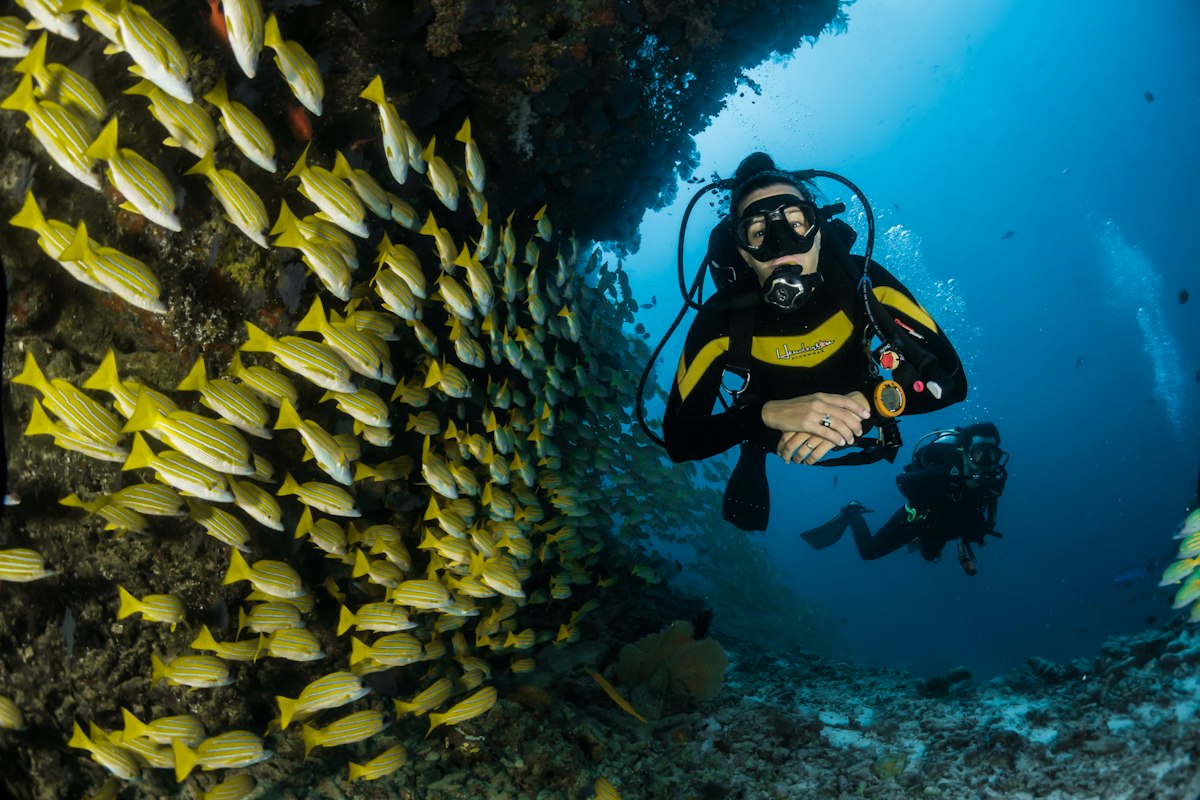
The snorkeling here is serious. Swim out from the right side of the beach and you're over a coral wall that drops from 10 feet to 40 feet. The visibility is routinely 60-80 feet. Expect to see sea fans, barrel sponges, moray eels peeking from crevices, and schools of yellowtail snapper. Sea turtles pass through regularly.
The Beach Bar
The on-site restaurant is better than it needs to be. Grilled fish plates run about $18 USD, the burger is solid at $12, and the frozen cocktails are strong. They also rent snorkel gear ($10/day) and kayaks ($15/hour). It's the kind of place where you arrive at 9 AM planning to stay for two hours and leave at 4 PM wondering where the day went.
Playa Porto Mari
Playa Porto Mari has two things going for it that no other beach on the island can match: a double reef system accessible from shore, and a resident population of reef squid. The inner reef sits in about 8 feet of water, the outer reef in about 25 feet. Between them, a sand channel creates a natural swimming lane. It's like a purpose-built snorkeling course.
The beach itself is wide and well-maintained, with a dive shop, restaurant, and freshwater showers. Entrance is $6 per car. The restaurant's seafood pasta ($22 USD) is surprisingly good for a beach concession.
The Pigs
Yes, there are pigs. A small pen near the beach houses pot-bellied pigs that have become unlikely local celebrities. Kids love them. They have nothing to do with the beach experience, but they're there, and they seem happy about it.
Jan Thiel Beach
Jan Thiel is the beach closest to Willemstad with proper resort infrastructure. It's part of a larger development that includes restaurants, shops, a dive center, and a spa. The beach itself is small -- maybe 100 yards of sand -- but the water is calm, clear, and good for snorkeling.
The entrance fee is $5, which includes a lounge chair. The Zest Mediterranean Restaurant, perched above the beach, does a good lunch menu with grilled seafood and pasta ($15-25 USD). On weekend evenings, Jan Thiel transforms into a nightlife hub -- the Wet & Wild pool party on Saturday afternoons is a local institution.
Nearby: Caracasbaai
A 10-minute drive east from Jan Thiel, Caracasbaai is a quieter alternative. The old military fort on the headland provides shade and character. The Director's Bay beach, accessible through the Caracasbaai grounds, is small and rocky but has some of the clearest water near Willemstad.

Playa Lagun
Playa Lagun is a tiny cove -- maybe 40 yards of sand -- wedged between two cliff walls on the west coast. It's the best place on the island to see sea turtles. They feed on the sea grass and algae growing on the rocks inside the cove and are remarkably unbothered by snorkelers. Morning visits, before the water gets churned up, offer the best turtle sightings.
The Bahia Apartments and Diving sit right above the cove and rent snorkel gear. The small restaurant at beach level does a decent fish sandwich. The cove is sheltered enough that it stays calm even when the wind picks up, making it a reliable option on blustery days.
Diving
Playa Lagun is also an excellent shore dive. The reef outside the cove drops to 60 feet and features healthy hard and soft corals. The dive shops in the area offer guided shore dives for about $40-50 USD with gear. Night dives here are spectacular -- the octopus activity after dark is intense.
Blue Bay
Blue Bay is the most accessible quality beach to Willemstad -- about a 15-minute drive. It's part of a residential golf resort development but the beach is open to visitors for a $6 entrance fee. The sand is white, the water is calm, and the offshore reef provides good snorkeling.
The beach facilities include a dive shop (Ocean Encounters), a restaurant, and equipment rentals. It's a solid option if you're staying in Willemstad and want a beach day without a long drive. The golf course (18 holes, $75-100 for visitors) wraps around the bay -- not the most exciting layout, but the ocean views from the back nine are worth it.
Planning Your Curacao Beach Trip
Best Time to Visit
Like Aruba, Curacao sits below the hurricane belt, so weather is consistent year-round. The driest months are January through September. October and November see the most rain, but showers are typically brief. Water temperature stays between 79-84°F throughout the year.
Getting Around
A rental car is essential. The best beaches are spread across the west coast, and public transportation is limited. Rates start around $25-35 USD/day -- cheaper than Aruba. The roads are decent. Most beaches have their own parking lots.
Snorkeling Tips
- Bring your own gear or buy a set at one of the dive shops in Willemstad ($30-50 for a decent mask and snorkel)
- Best visibility: morning, before wind chops the surface
- Best turtle spotting: Playa Lagun, Playa Porto Mari, Cas Abao
- Best reef: Playa Porto Mari's double reef and the wall at Cas Abao
- Rash guard recommended -- the sun is intense and you'll be face-down for hours
Willemstad Essentials
- Punda and Otrobanda: the two halves of the historic center, connected by the Queen Emma bridge
- Plasa Bieu (Old Market): the best local lunch in the city. Stewed goat, fried plantains, and funchi for about $8-12 USD
- Netto Bar: a waterfront dive bar that has served cheap Amstel Bright beer ($3) to locals since the 1950s
- Mundo Bizarro: craft cocktails in a colonial townhouse, the best cocktail bar on the island ($10-14 USD/drink)
- Kome: upscale dining in a restored mansion, tasting menus starting at $55 USD
Curacao gives you something most Caribbean islands can't: a real city and real beaches on the same trip. You can spend the morning snorkeling a reef at Cas Abao, the afternoon exploring Dutch colonial architecture in Willemstad, and the evening eating stewed goat at an outdoor market. That combination of culture and coast is rare in a region where most islands offer one or the other.
Related reading: Best Snorkeling Spots in the Caribbean (2026) · The Best Beaches in Cozumel · The Best Beaches in the Cayman Islands
Frequently Asked Questions
Is Curacao better than Aruba for beaches?
Curacao has more beaches (over 35 named coves) with better snorkeling and diving, plus a more authentic local culture in Willemstad. Aruba has wider, more resort-lined beaches with calmer water and a more polished tourist infrastructure. Curacao appeals to explorers; Aruba appeals to resort loungers.
Do you need a car in Curacao?
Yes, a rental car is strongly recommended. Curacao's best beaches are spread across the island with limited public transport. Expect to pay $30-50/day for a compact car. Roads are well-maintained and driving is on the right side. Many beach access roads are unpaved but manageable in a standard car.
What is the best month to visit Curacao?
Curacao sits outside the hurricane belt, so it's a year-round destination. The driest months are January through September. October through December see slightly more rain but still average only 5-8 rainy days per month. Water temperature stays between 78-84°F all year.
Are Curacao beaches free?
Many beaches are free, including Playa Kalki, Kleine Knip, and Playa Forti. Some of the more developed beaches charge entrance fees of $3-6 per person, which often includes a lounge chair. Cas Abao Beach charges about $6 per car. Sunbeds and umbrellas cost an additional $5-10 at paid beaches.
How much does a Curacao vacation cost?
Curacao is moderately priced for the Caribbean. Mid-range hotels run $120-200/night, Airbnbs $70-130/night. Restaurant meals cost $12-25. Snorkeling gear rental is $10-15/day. The island uses the Netherlands Antillean guilder, but US dollars are accepted almost everywhere at a roughly 1.78:1 exchange rate.
What is the best snorkeling beach in Curacao?
Playa Lagun, a small cove on the west coast, offers the best shore snorkeling with sea turtles regularly spotted feeding on sea grass. Director's Bay and Playa Kalki (also called Alice in Wonderland) also have excellent reef access within 30 feet of shore. Visibility typically exceeds 80 feet.


