Budget Diving Destinations: Get PADI Certified for Less
Table of Contents
Prices in this guide are approximate and change often. Check with the hotel, airline or operator before you book.
Why Certification Location Matters for Your Wallet
A PADI Open Water certification teaches the same skills and issues the same card whether you complete it in the Maldives or in a quarry in Ohio. The curriculum is standardized. But the price ranges from $200 in Southeast Asia to $700+ in Australia, Hawaii, or the Caribbean — and the experience of learning in warm, clear, fish-filled tropical water versus cold, murky freshwater is incomparable. Budget diving destinations let you get certified for less while actually enjoying the process. You'll see coral, turtles, and reef fish on your certification dives instead of algae-covered rocks and zero visibility.
The Open Water course takes 3-4 days: classroom theory (increasingly done online before arrival), confined water skills (pool or shallow sheltered area), and 4 open water dives. Advanced Open Water adds 5 more dives over 2 days. Going from zero to Advanced takes about a week and costs $350-600 at budget destinations — roughly what the Open Water course alone costs in expensive countries.
The Best Budget Destinations for Certification
Koh Tao, Thailand
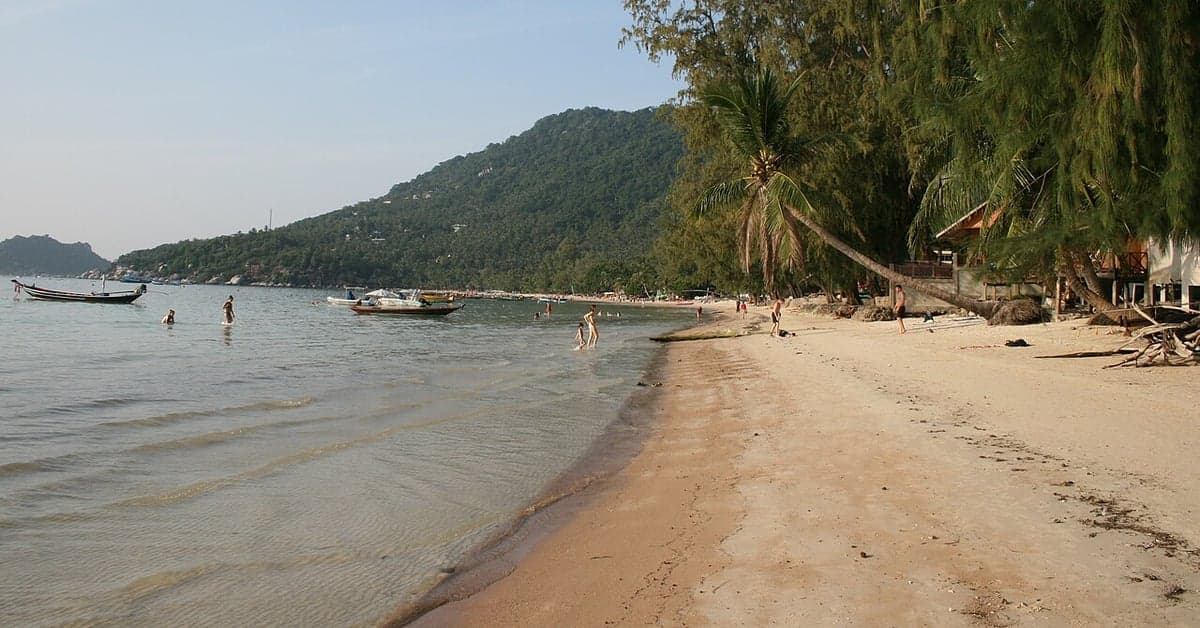
Koh Tao certifies more divers per year than any other location on Earth. The tiny island in the Gulf of Thailand has over 50 dive schools competing for students, which drives prices to the lowest in the world. PADI Open Water courses run THB 9,000-10,000 ($260-290), often including accommodation for the duration of the course. Advanced Open Water adds THB 7,000-8,500 ($200-245).
The dive conditions are good but not exceptional: visibility ranges from 5-20 meters depending on season and recent weather, and the coral has suffered from bleaching and overtourism. That said, you'll see trigger fish, barracuda, blue-spotted rays, clownfish, and the occasional whale shark (March-April, September-October). The island's party scene is famous — expect Full Moon Party spillover from neighboring Koh Phangan.
The competition keeps standards high overall, but some budget schools cut corners on instructor ratios (PADI maximum is 8:1 for Open Water; the best schools run 4:1 or lower). Ask about instructor-to-student ratios before booking. Schools with onsite pools for confined water training generally provide a better learning experience than those using shallow bay areas.
Moalboal, Philippines
Moalboal on Cebu island offers something Koh Tao can't: a resident sardine run. Millions of sardines form a bait ball 20 meters off Panagsama Beach, and you can swim through them on a snorkel or dive. Watching the sun filter through a tornado of silver fish is one of the most accessible marine spectacles in Asia, and it happens year-round.
Open Water certification costs PHP 18,000-22,000 ($320-390). Advanced Open Water adds PHP 15,000-18,000 ($265-320). Accommodation is not typically included but budget rooms start at PHP 500-800/night ($9-14). The house reef at Panagsama drops off a wall into deep water within 30 meters of shore — wall dives with turtles, frogfish, and nudibranchs are standard. Kawasan Falls, a turquoise multi-tiered waterfall, is a 30-minute motorbike ride south and makes an excellent rest day activity.
Utila, Honduras
Utila, the smallest of the Bay Islands, is the cheapest place in the Caribbean to learn to dive. Open Water courses run $280-350, with several schools including accommodation in the price. The island sits on the Mesoamerican Barrier Reef — the second-largest reef system in the world — so your certification dives happen on genuine reef with nurse sharks, spotted eagle rays, grouper, and healthy hard and soft coral.
Whale sharks visit Utila's waters from March through May and September through December. A whale shark dive encounter is one of those lifetime wildlife experiences, and having it happen during your certification or first fun dives is extraordinary. The island is backpacker-friendly: dorm beds cost $8-12/night, meals at local comedores run $3-5, and the social scene revolves around dive shops and waterfront bars. Flights from La Ceiba on the Honduran mainland take 15 minutes ($60-80 one way), or a ferry runs twice daily ($30, 1 hour).
Dahab, Egypt
Dahab sits on the Gulf of Aqaba in Sinai, with the Red Sea's legendary visibility (20-40 meters on most days) and warm water (22-28°C depending on season). Open Water courses cost $250-350, making it one of the cheapest places in the world for certification. The Blue Hole — a 100-meter-deep sinkhole in the reef — is Dahab's most famous dive site, though it's reserved for experienced deep divers. Certification dives happen at sites like the Lighthouse (a sloping reef with turtles, lionfish, and moray eels) and the Islands (two coral pinnacles surrounded by reef fish).
Dahab has a Bedouin-influenced backpacker culture: waterfront restaurants with cushion seating, shisha pipes, and $3-5 meals of falafel, koshary, and grilled fish. Accommodation runs $10-25/night for budget hotels. The town is walkable, laid-back, and popular with digital nomads and long-term travelers. Windsurfing and kitesurfing are also excellent here, with consistent afternoon winds in the lagoon.
Nha Trang, Vietnam
Vietnam's diving capital offers Open Water courses for $280-350 at reputable schools (avoid the ultra-budget operations that undercut on safety). The diving isn't world-class — visibility averages 10-15 meters and the reef has suffered from development — but the marine life includes seahorses, nudibranchs, cuttlefish, and blue-spotted stingrays. The real appeal is the cost of living around the diving: hotel rooms from $10-15/night, pho for $1.50, and banh mi sandwiches for $1.
Whale Island (Hon Ong), a 2-hour boat ride north of Nha Trang, offers better diving with cleaner water and less boat traffic. Some dive operations run day trips or overnight stays on the island. The whale sharks that gave the island its name appear sporadically from April through July but sightings are not reliable.
Tofo Beach, Mozambique
For divers willing to go off the beaten path, Tofo Beach in southern Mozambique offers Open Water certification for $350-450 in one of the world's best megafauna diving locations. Manta rays are resident year-round — encounters on training dives are common. Whale sharks appear from October through March. Humpback whales migrate through from June through November. The reef is healthy, the visibility averages 15-25 meters, and the diving is uncrowded.
Tofo is remote: a 6-hour bus ride from Maputo on deteriorating roads. Accommodation ranges from $15 backpacker dorms to $80 beachfront bungalows. The town has a handful of restaurants, bars, and the kind of end-of-the-road traveler community that forms in places hard enough to reach that only committed people make it. For flights to Mozambique and other dive destinations, check Expedia for deals.
How to Choose a Dive School
What to Look For
Instructor-to-student ratio is the single most important quality indicator. PADI allows up to 8:1; the best budget schools run 4:1 or lower. Ask before booking and get it confirmed in writing. Check that the school's PADI certification is current on the PADI website. Read Google reviews from the last 6 months — a school can change quickly with staff turnover. Equipment condition matters: well-maintained rental gear (BCDs, regulators, wetsuits) indicates a school that invests in safety.
PADI vs. SSI vs. Other Agencies
PADI is the most widely recognized certification agency, accepted at dive centers worldwide. SSI (Scuba Schools International) is equally valid and sometimes slightly cheaper. Both teach effectively the same skills. NAUI and SDI/TDI are also legitimate. The important thing is learning from a qualified instructor at a reputable school — the card you get at the end is interchangeable in practice. Check our destination guides for more diving coverage worldwide.
After Certification: Next Steps
Advanced Open Water
Worth getting immediately if you have the time and budget. The Advanced course adds deep diving (to 30 meters), underwater navigation, and three elective dives (night diving, drift diving, fish identification, etc.). It opens up more interesting dive sites and makes you a more competent, confident diver. At budget destinations, the incremental cost is $200-320 — do it while you're already there rather than paying more somewhere else later.
Rescue Diver and Divemaster
Rescue Diver is the course that transforms you from a certified tourist into someone who can handle emergencies underwater. It's the most valuable course PADI offers in terms of safety skills. Cost: $250-400 at budget destinations. Divemaster is the professional level — a 2-4 month internship that qualifies you to lead dives and assist instructors. Many dive schools offer Divemaster packages that include accommodation and diving in exchange for work, costing $1,500-3,000 for the full program.
Frequently Asked Questions
Where is the cheapest place to get PADI certified?
Koh Tao, Thailand and Dahab, Egypt are the cheapest, with Open Water courses from $250-290. Utila, Honduras is the cheapest in the Western Hemisphere at $280-350. Many Koh Tao schools include accommodation in the course price, which further reduces the total cost.
How long does it take to get PADI Open Water certified?
The course takes 3-4 days: theory (can be completed online before arrival), confined water skills, and 4 open water dives. Adding Advanced Open Water takes another 2 days. From zero to Advanced takes about a week total.
Is a PADI certification from a budget destination valid worldwide?
Yes. PADI certification is standardized globally. Your Open Water card from Koh Tao or Utila is identical to one from Australia or Hawaii and is accepted at every PADI dive center worldwide. The curriculum, skills testing, and certification process are the same everywhere.
Do I need to know how to swim to get scuba certified?
PADI requires you to swim 200 meters without stopping and float or tread water for 10 minutes. You don't need to be a competitive swimmer, but you must be comfortable in the water. If you're a weak swimmer, take some pool sessions before your trip to build water confidence.
What should I look for in a budget dive school?
Instructor-to-student ratio (4:1 or lower is ideal, 8:1 is the PADI maximum), current PADI certification (verify on padi.com), recent positive Google reviews, well-maintained rental equipment, and an onsite pool for confined water training. Avoid schools that compete solely on price — the cheapest option sometimes cuts corners on safety.
Should I get Advanced Open Water right after Open Water?
Yes, if you have the time and budget. Getting Advanced immediately saves money at budget destinations ($200-320 vs. $400+ at home), the skills are fresh, and it opens up deeper, more interesting dive sites. The deep dive and navigation dives in the Advanced course make you a significantly more capable diver.
What marine life will I see during my certification dives?
It depends on the location. Koh Tao: triggerfish, barracuda, blue-spotted rays, occasional whale sharks. Moalboal: sardine run, turtles, nudibranchs. Utila: nurse sharks, eagle rays, reef fish, possible whale sharks. Dahab: turtles, lionfish, moray eels in 20-40 meter visibility. Tofo: manta rays, whale sharks (seasonal), reef fish.